Ergonomic storage of things is a household skill that is useful to everyone without exception. In everyday life, you rarely have to think about how to fold a sweater, T-shirt or shirt. But having mastered at least one folding method, you can forget about minor annoying troubles associated with wrinkled clothes or a pile of stuff on the shelves.
Basic folding methods
It is enough to learn the skill once, and in the future it will help to save time on searching for things and avoid unnecessary ironing. You will no longer need to regularly tidy up your home closets. You can choose a universal method or approach the matter thoroughly and use an individual method for different types of clothing.
Store
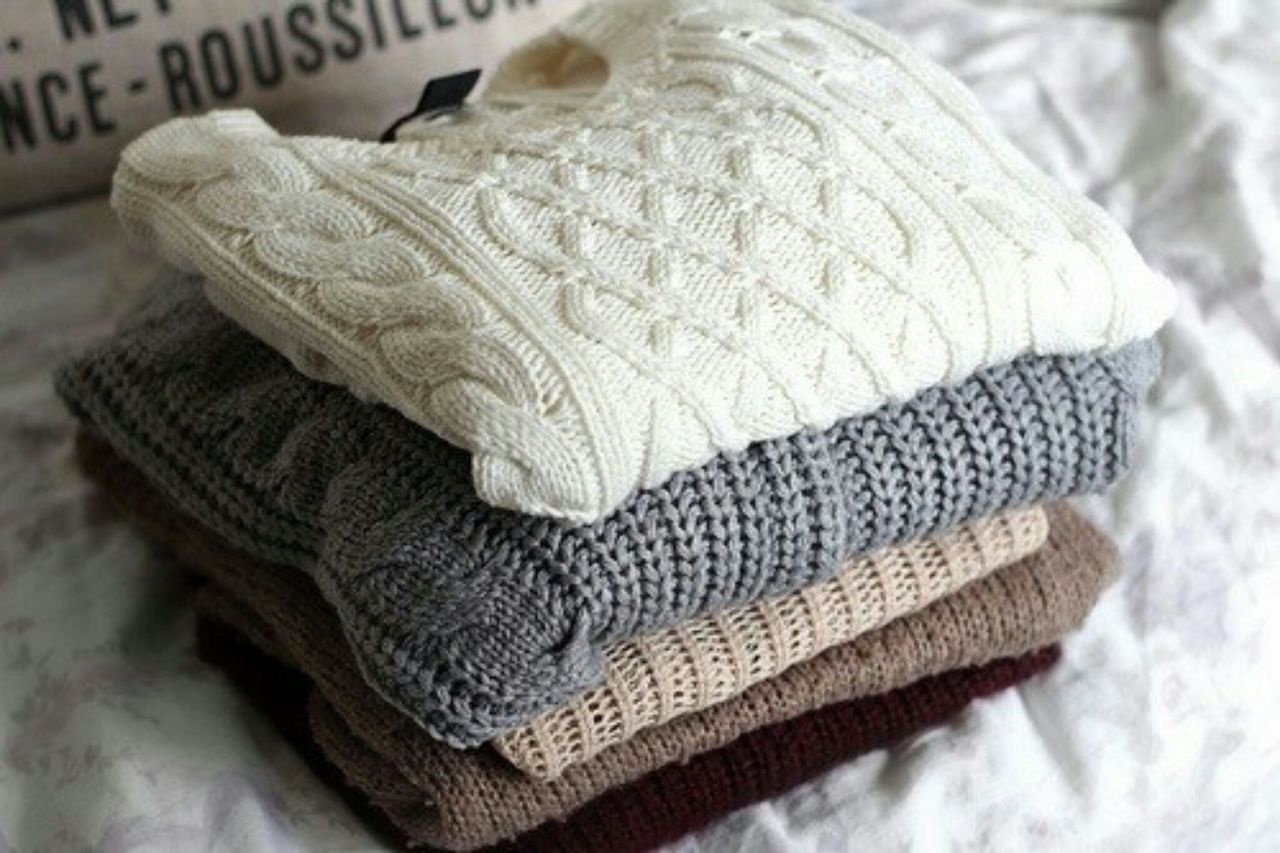
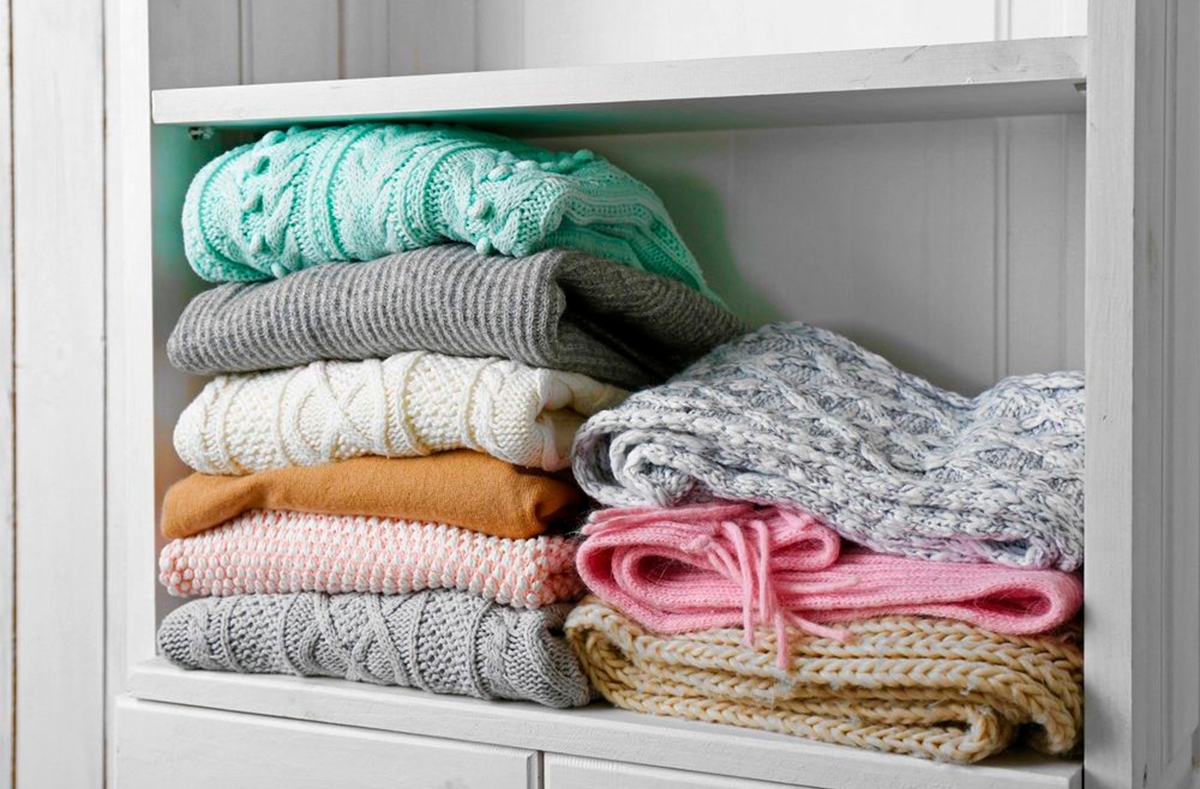
Neat stacks like those on display can be organized in your home closet. The sweater is placed face up, and in this form it is much easier to quickly assess whether it fits into the set or not.
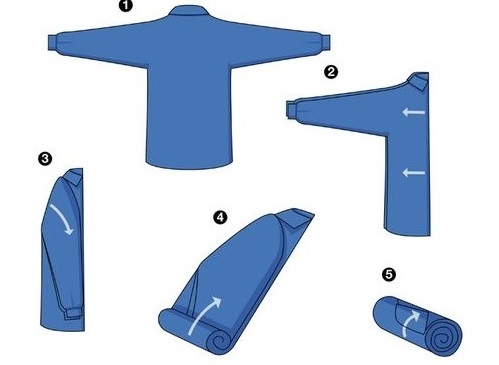
How to fold a long sleeve sweater in 5 steps:
- Spread the sweater on a flat surface with the back facing up.
- Fold the edge of the garment together with the sleeve in the middle of the shoulder seam.
- Place the sleeve down along the fold.
- Fold the second edge and the sleeve.
- Fold the bottom edge to the neckline and turn over.
According to this instruction, you can fold long-sleeved sweaters, turtlenecks, polo shirts. It is better to store clothes folded in this way on the middle shelves, just below eye level.
To prevent things from wrinkling, let them cool down after ironing or steaming. This will make it easier for the creases to come out.
Using a hanger
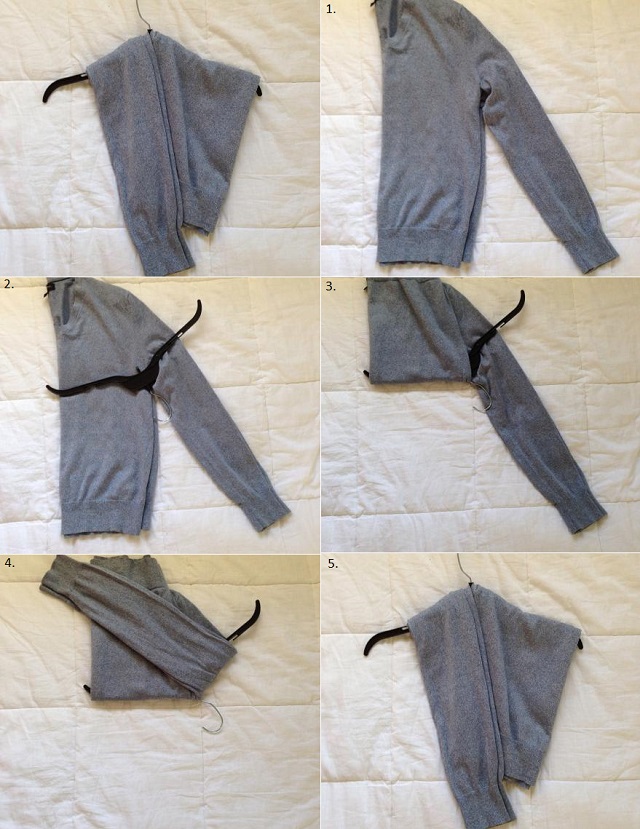
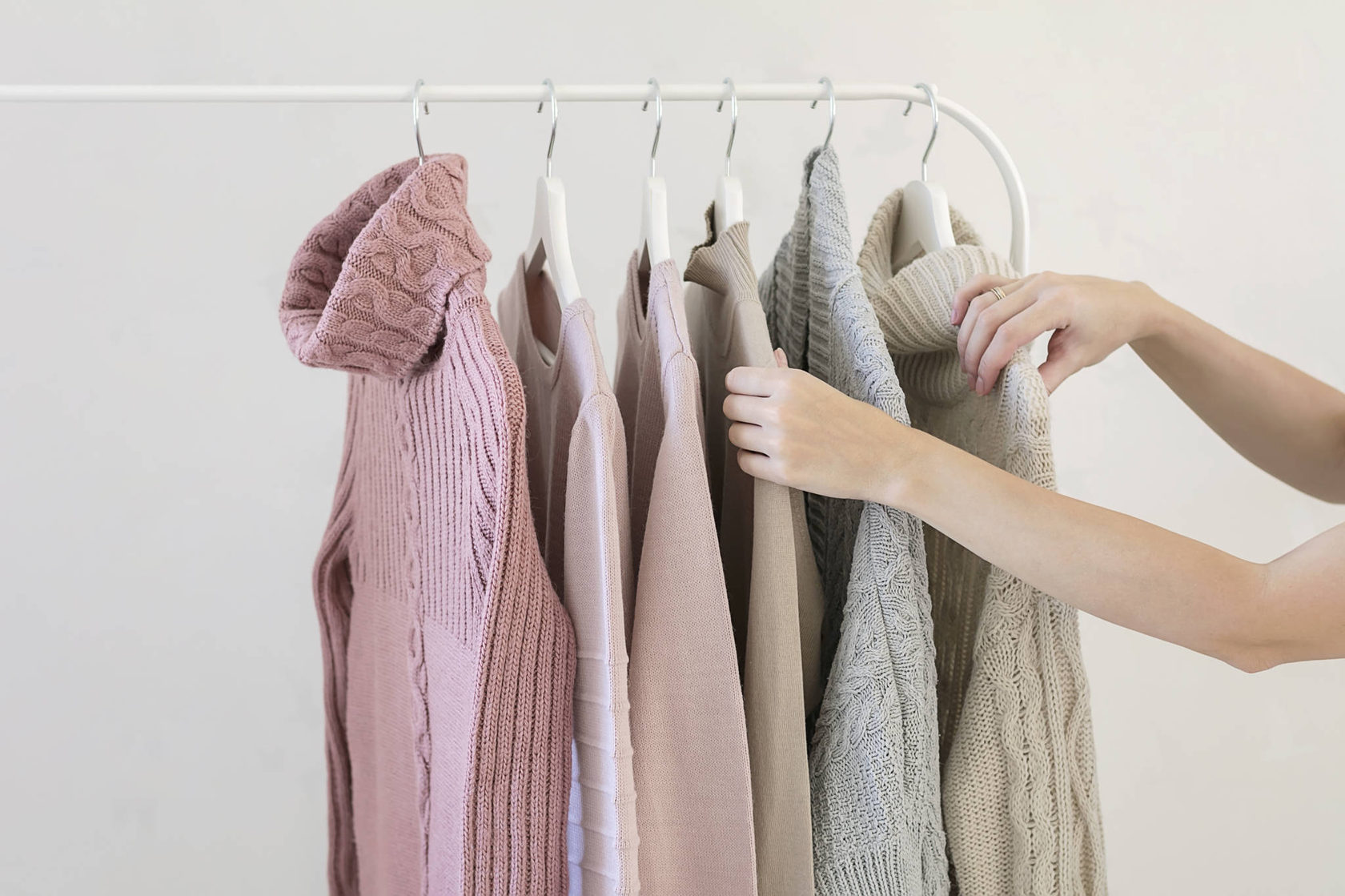
To prevent sweaters and jumpers made of thin knitwear from wrinkling, it is better to store them on a hanger. However, the usual method will not work for such clothes, as the product may stretch out a lot under its own weight. Sweaters should be folded on a hanger like this:
- Straighten the product and fold it in half (sleeve to sleeve).
- Place the hanger hook into the corner of the armpit, the hangers should be parallel to the neckline.
- The bottom edge of the product is folded over and straightened on one shoulder of the hanger.
- The sleeves of the blouse are placed on the second shoulder, overlapping each other.
- The bottom edge and sleeves need to be threaded through the hanger bar. That's it, you can send it to the rod.
If you fold things correctly, they will not lose their shape, will not wrinkle, will not slip off the hangers. Another way to store clothes on a hanger is to avoid wrinkling the high neck of turtlenecks.
Using a special board
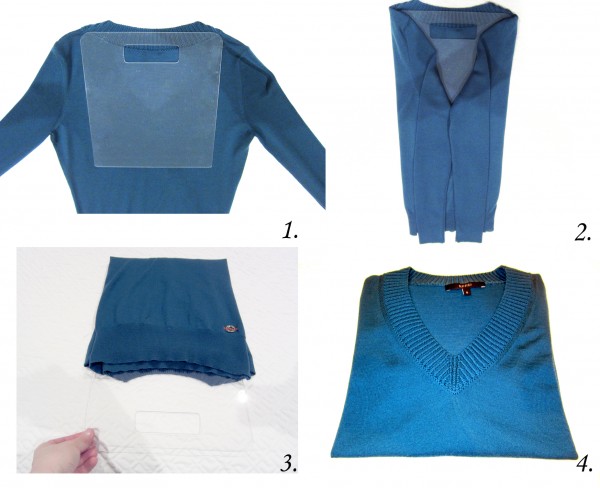
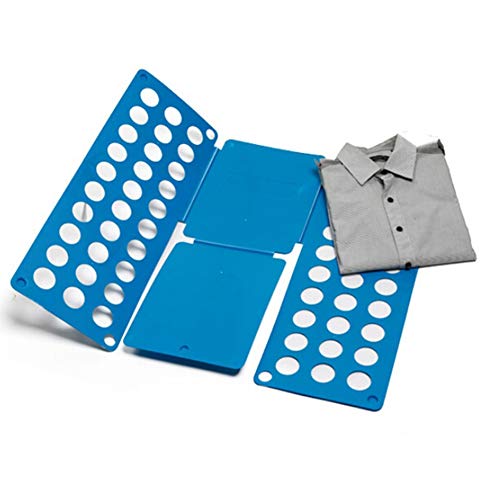
For large families or owners of large wardrobes, a folding board will be useful. With this device you can compactly and quickly arrange a large number of different clothes in neat piles. How to fold things using a template board:
- Straighten the turtleneck on the folder.
- Bend the side panels one by one.
- Fold the bottom edge together with the central flap.
You can make a folding board yourself from thick cardboard or thin flexible plastic.
For bulky items
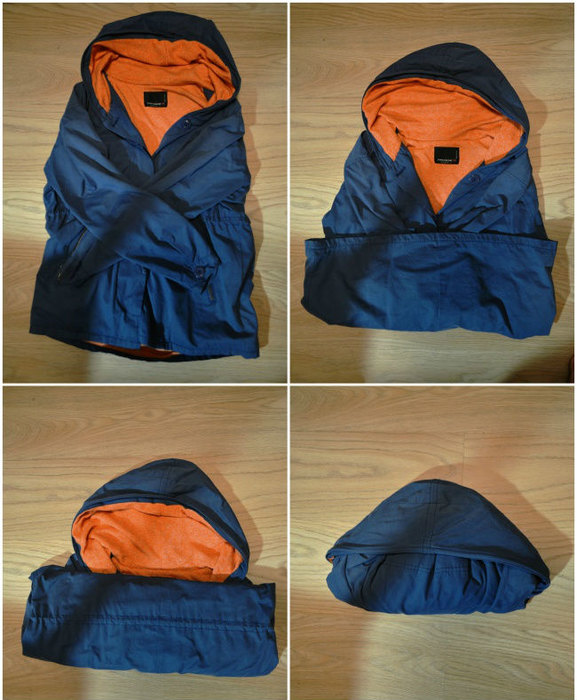
Outerwear, jackets, and down jackets can be stored rolled up into a thick envelope. To prevent them from unfolding on the shelves, a pocket is formed from the hood, into which the item is tucked. The correct master class:
- Spread the jacket on the surface and fold the sleeves along the edges.
- Fold the item in half, leaving the sleeves inside.
- From the bottom edge to the hood, the jacket is rolled into a tight roll.
- Once you reach the top, pull the hood over the roller.
To make outerwear take up even less space, you can pack it in vacuum bags and vacuum the air out. But it is important not to forget to air them out at least once every two months. This is especially true for items made from natural fibers - wool or down. Before putting such items in a vacuum bag, they must be thoroughly dried - the slightest moisture will cause an unpleasant smell. But this is the most compact way to store bulky items.
How to prepare warm clothes for the trip
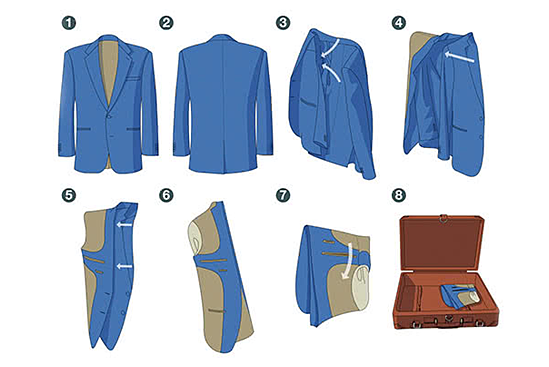
The most compact way to pack things into a suitcase is to roll them into tight rolls. You can pack these rolls of clothes in rows or vertical columns. Warm, bulky items are placed on the bottom, and essential clothing is placed on top. How to fold sweaters, turtlenecks, and long-sleeved jackets before a trip:
- Straighten the garment and fold the sleeves along the side seams.
- Turn up the bottom edge of the sweater by 5–7 cm so that the sleeve cuffs are inside the fold.
- Fold the sweater in half and roll it up starting from the neck.
- Straighten the lower folded edge on the roller.
Sweatshirts and hooded sweatshirts are packed for travel in a different way. You need to lay the product out on a flat surface, lay the sleeves at an angle and fold the cuffs so that they do not overlap. Then fold the sweatshirt in half and roll it tightly starting from the bottom edge. Wrap the roll in the hood, done.
Closet Storage Tips
Proper organization of clothing storage saves time. If you approach the placement of things and objects systematically, then the order on the shelves and in the drawers will remain longer, and the items will stop getting lost. For frequently used items, you need to choose shelves and drawers with easy access.
When arranging things on shelves and in drawers, you should pay attention to the fact that they are easy to put away. Then the order in the closets will remain longer.
Cabinets with shelves 60–70 cm deep, despite the large interior space, have a small usable area. They should be filled halfway, or better yet, a quarter, while the space in the center should remain empty. When things are laid out along the perimeter of the shelf, access to them is equally open, they are easy to take and neatly put back. It is only possible to completely fill horizontal sections for long-term storage; the very top part of the cabinet is reserved for these purposes.
There are several convenient ways to store knitted sweaters, jumpers, and sweatshirts:
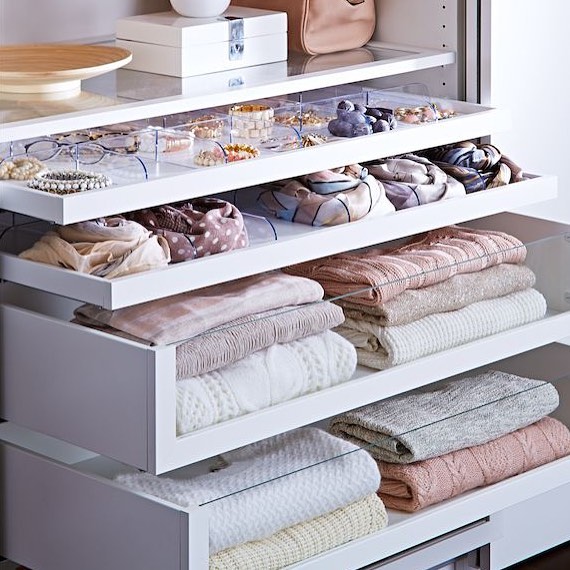
- Pull-out drawer. You can put long-sleeved sweaters here, rolling them up or placing them in horizontal stacks.
- Storage organizers: can be hanging (attached to a rod) or in the form of boxes with compartments. One item is placed in each cell, and it is desirable that there is free space in the compartments.
- Shelves in the closet. Here you can place sweaters and jumpers in rolls or small piles. It is important that all items are visible and do not overlap each other. Fluffy sweaters with long pile should be placed on top so that they do not deform under other clothes.
Boxes, trunks, baskets - will serve when, with the onset of the warm season, you need to put knitted and woolen items on a distant shelf. In them, knitwear will not be covered with dust, and the lint will not roll up from friction against other clothes. When putting things in boxes, it is advisable to lay them with sheets of paper, and add a natural fragrance to each box to protect against moths.
Gift Wrapping Ideas
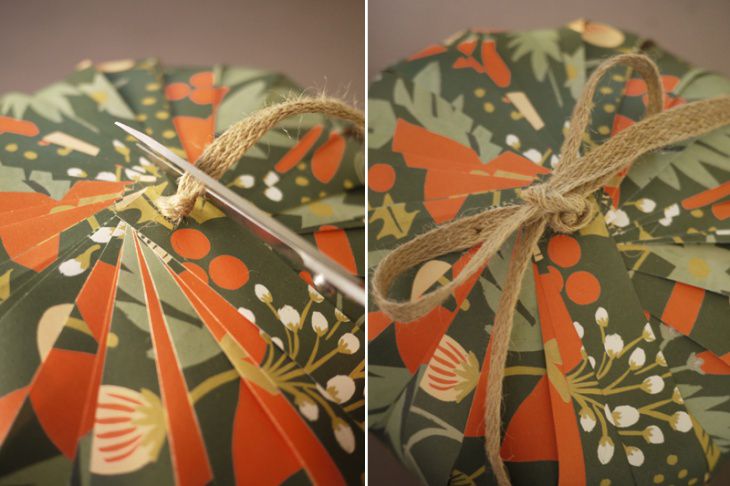
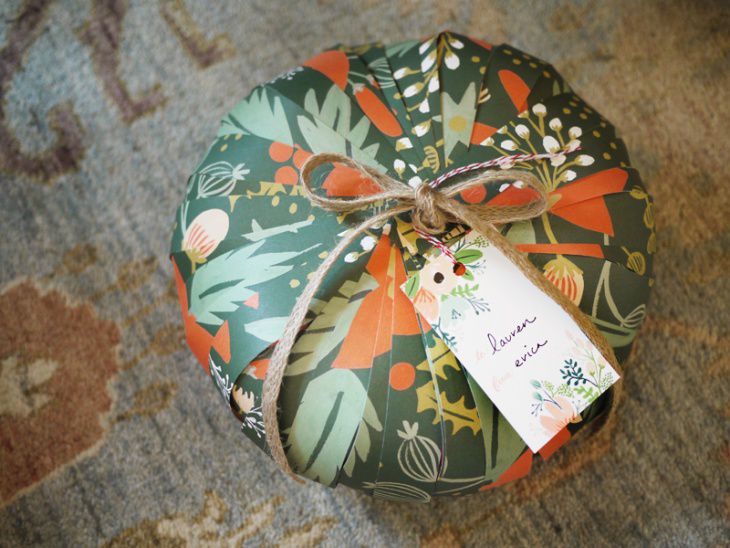
A natural wool jumper or sweater is a pleasure to give and receive as a gift. Presenting the present effectively is also an important matter. Several ways to gift wrap a sweater or sweater:
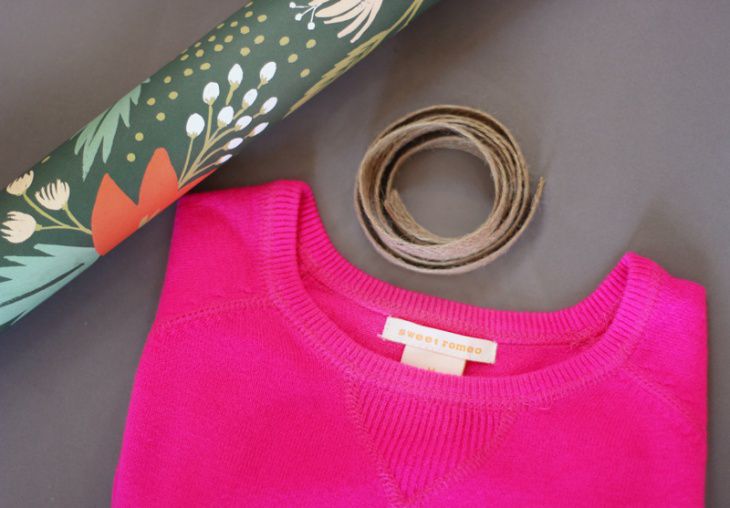
- The classic option is to fold the item in the store-bought way with the front side up, wrap it in wrapping paper, and tie it with a ribbon. Newspaper or tissue wrapping paper tied with a canvas thread looks elegant and discreet.
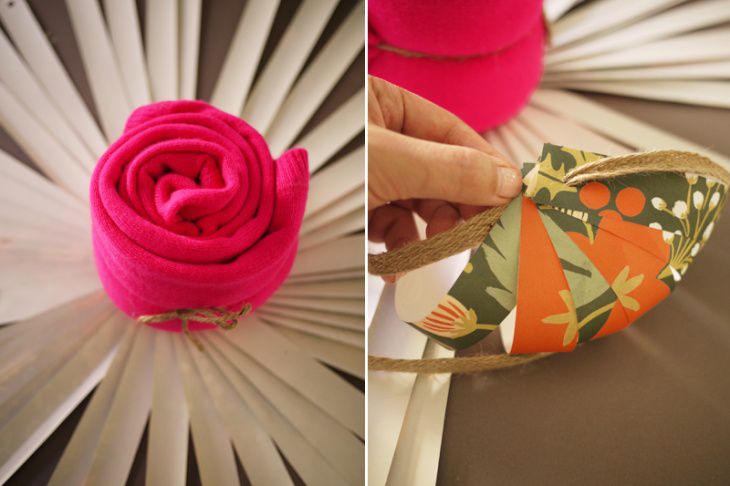
- Roll the sweater into a neat roll and tie it with a wide ribbon. The fastener can be decorated with small accessories and a card with wishes for the recipient can be placed under it.
- Pack it in a cardboard box, decorate it with wrapping paper, ribbons, and decor. In this form, the gift is safe to send by mail or courier, and receiving holiday parcels is especially pleasant.
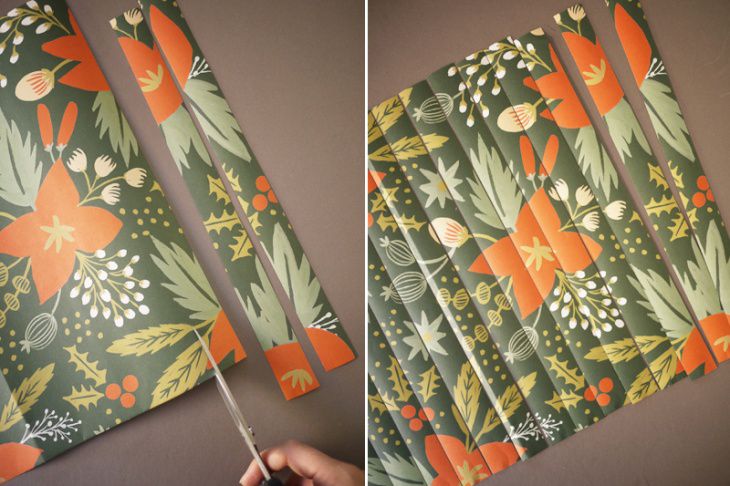
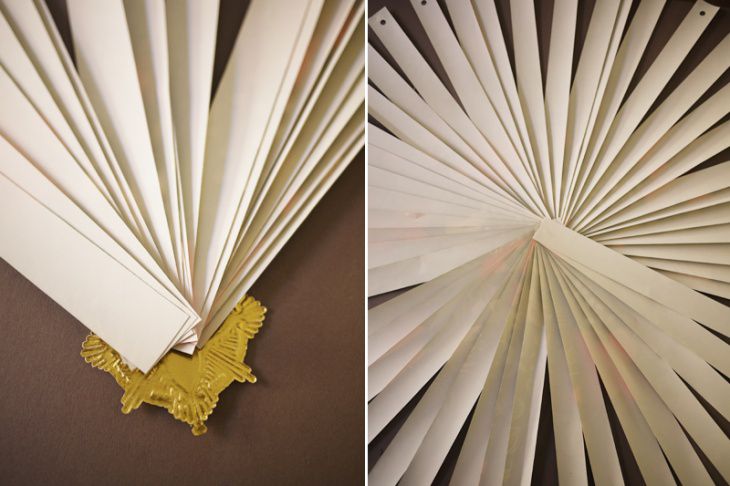
- Wrap the rolled product with colored paper on top and tie it with ribbons on both sides like a candy wrapper. A sweater folded in this way is a great gift for children.
Proper storage is especially important for wool and knitwear. They are very sensitive to moisture, temperature changes, and friction against other items in the wardrobe. Therefore, it is useful to master simple folding methods, because they can significantly extend the life of clothing.
Video