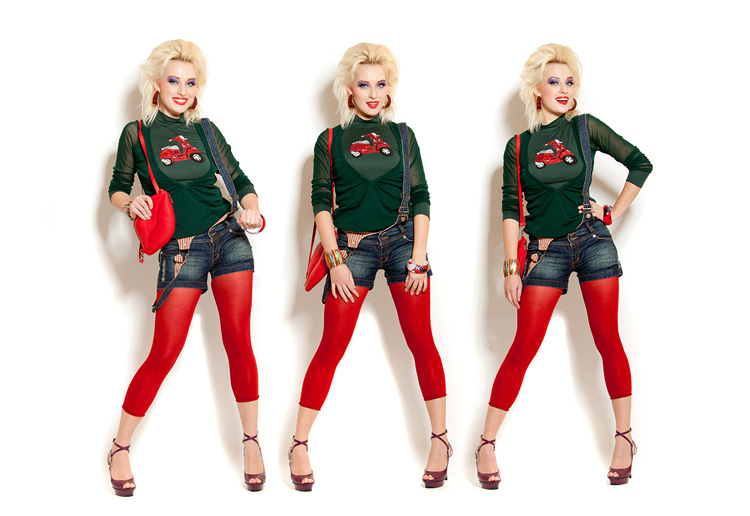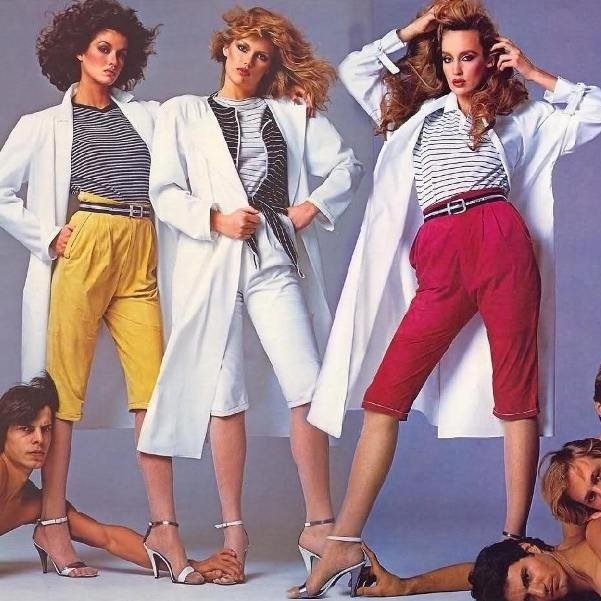
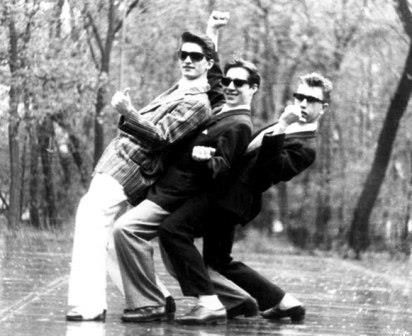
A subculture that flourished in the 50s-80s – informals who blew up Soviet foundations and traditions. The main role was played by flashy images and behavior; the clothes of the representative of the style were distinguished by brightness, sexuality and originality. Their appearance did not correspond to the usual and was perfect in its inadequacy. The lifestyle of the style was in keeping with the clothes: crazy, colorful, rebellious.
Varieties depending on gender
Of course, women's and men's wardrobes were radically different, but the basic principles were the same:
- variety of colors;
- unusual styles;
- bright accessories.
All this can be characterized as a challenge to the system under the influence of foreign fashion. There were those who did not want to be gray mice, they managed to show their protest beautifully.
For women
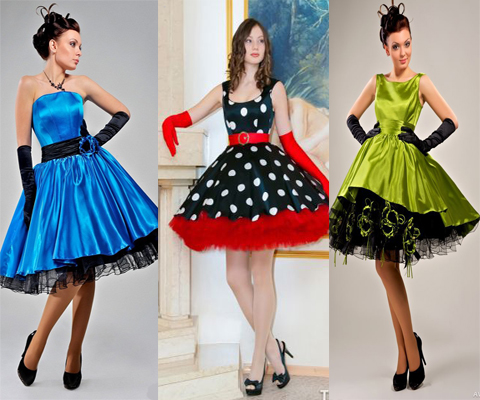
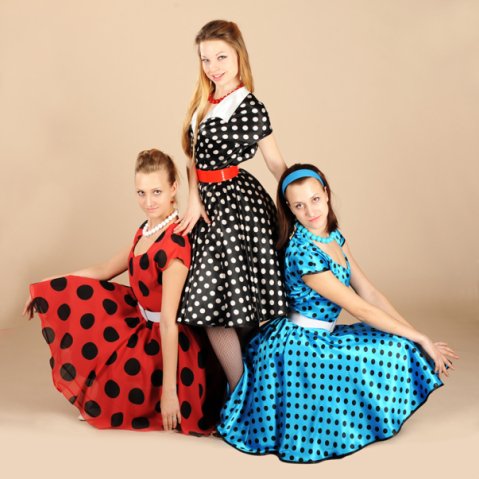
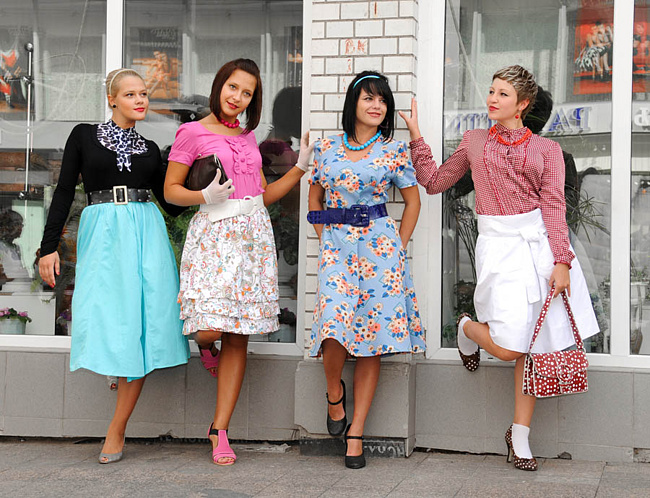
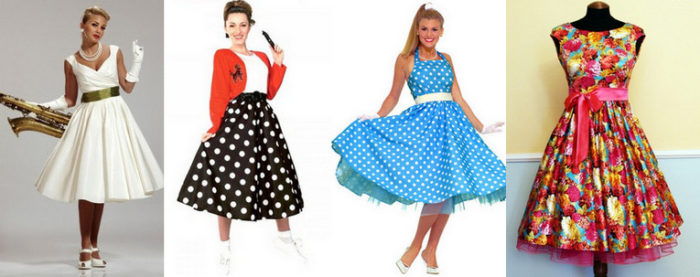
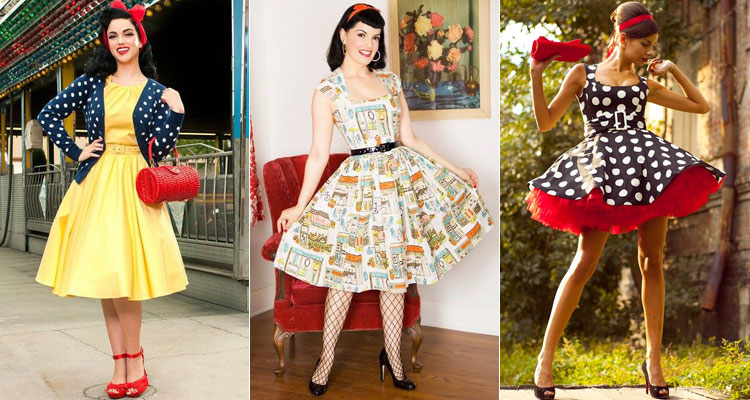
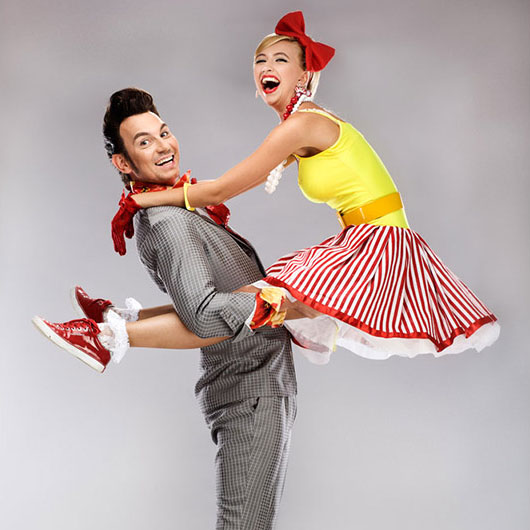
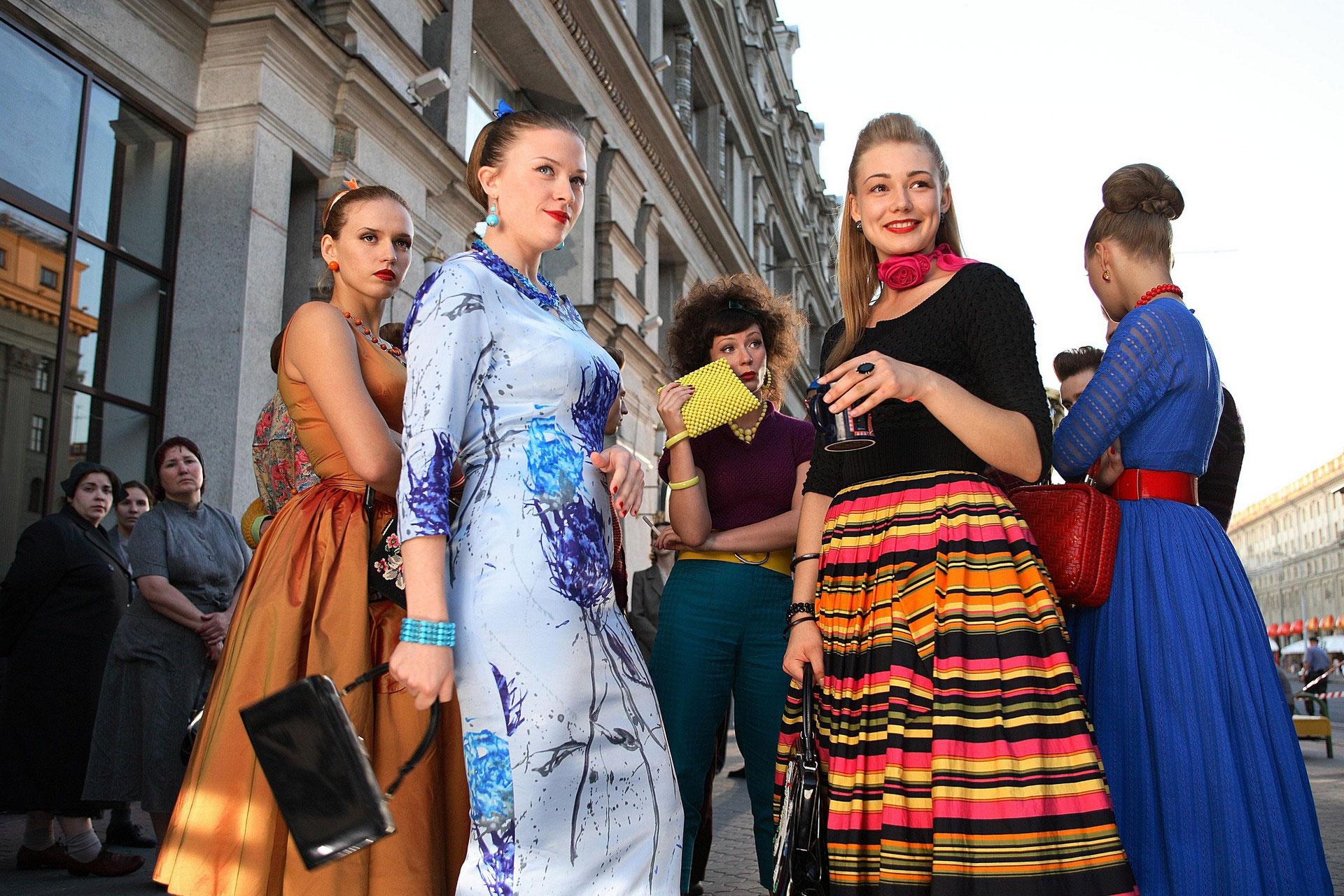
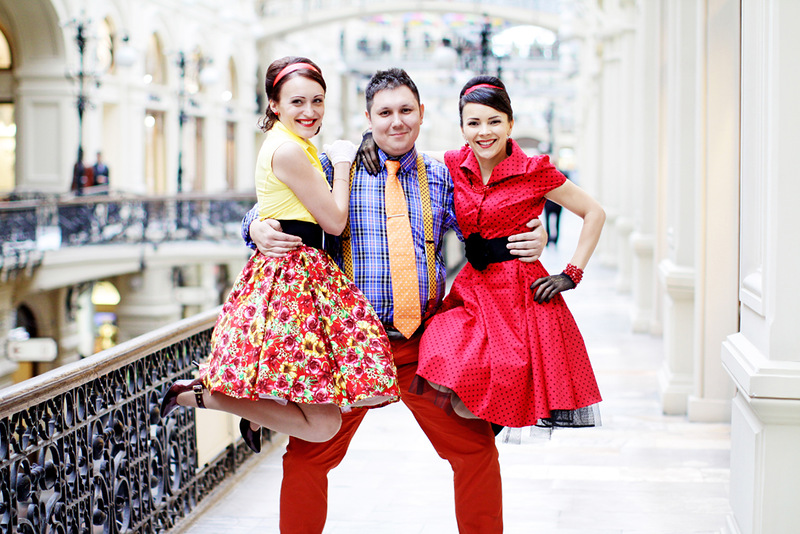
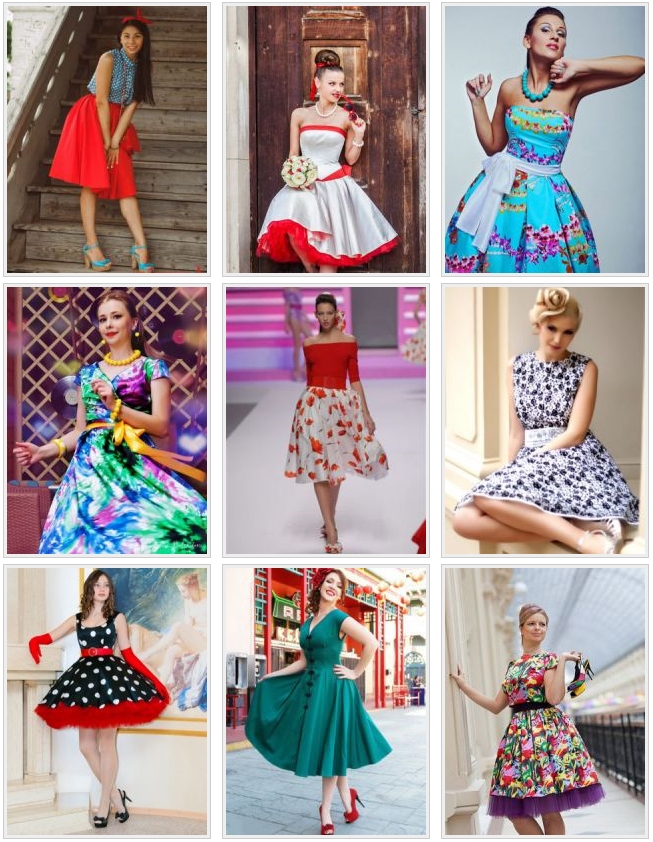
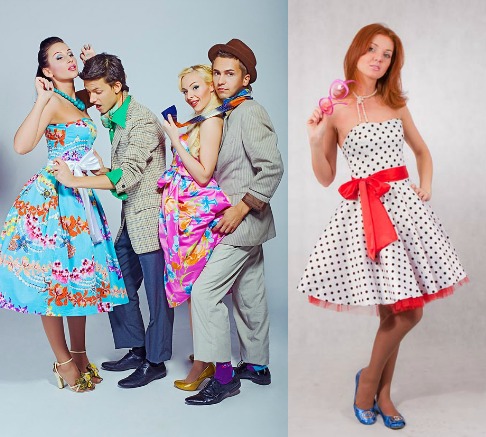
Girls dressed exclusively in lush dresses or skirts, emphasizing their femininity and playfulness at the same time. Countless shades, details, petticoats that swirled, lifting up during dances. Insanely bright colors accompanied them in everything. You could wear a set of a skirt and a blouse, but it was very important that they matched each other and looked like a single whole with a belt. Despite all the absurdity of colors and styles, the dudes dressed very stylishly (it was not for nothing that they were called that). The sleeves of blouses or dresses could be completely different, most often ¾, 2/3 or wing sleeves were used, but they also wore long, lantern sleeves or they could be absent altogether, there were no restrictions in this regard.
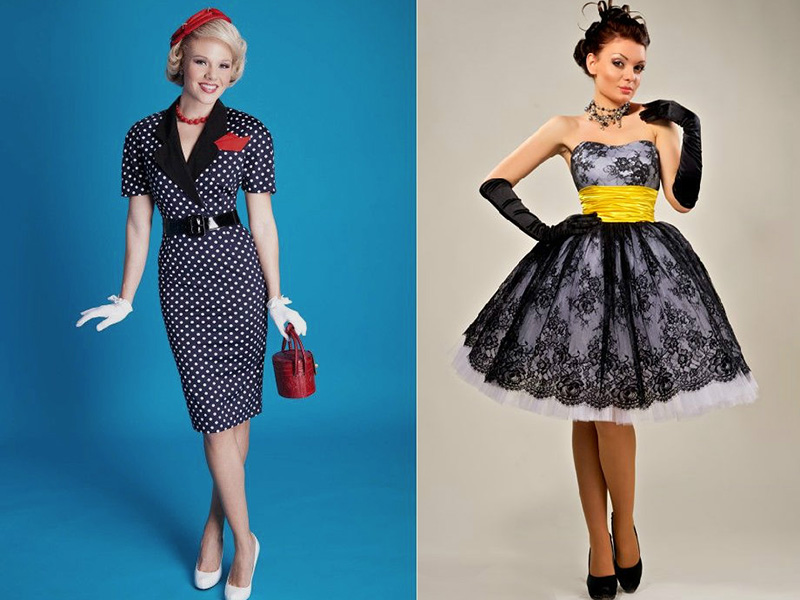
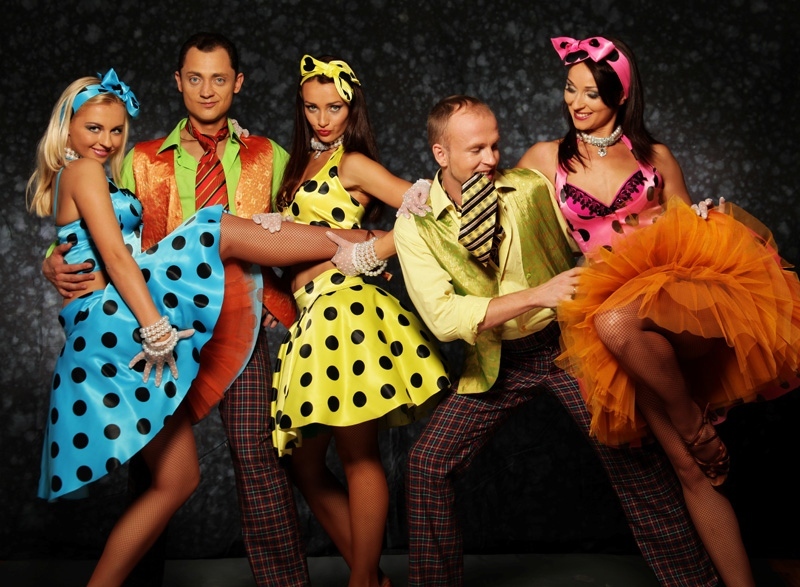
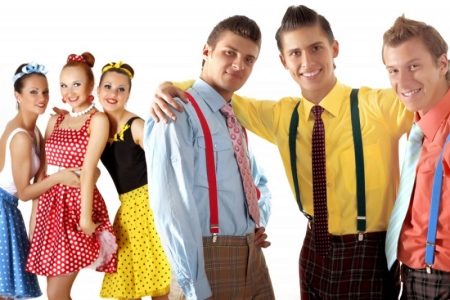
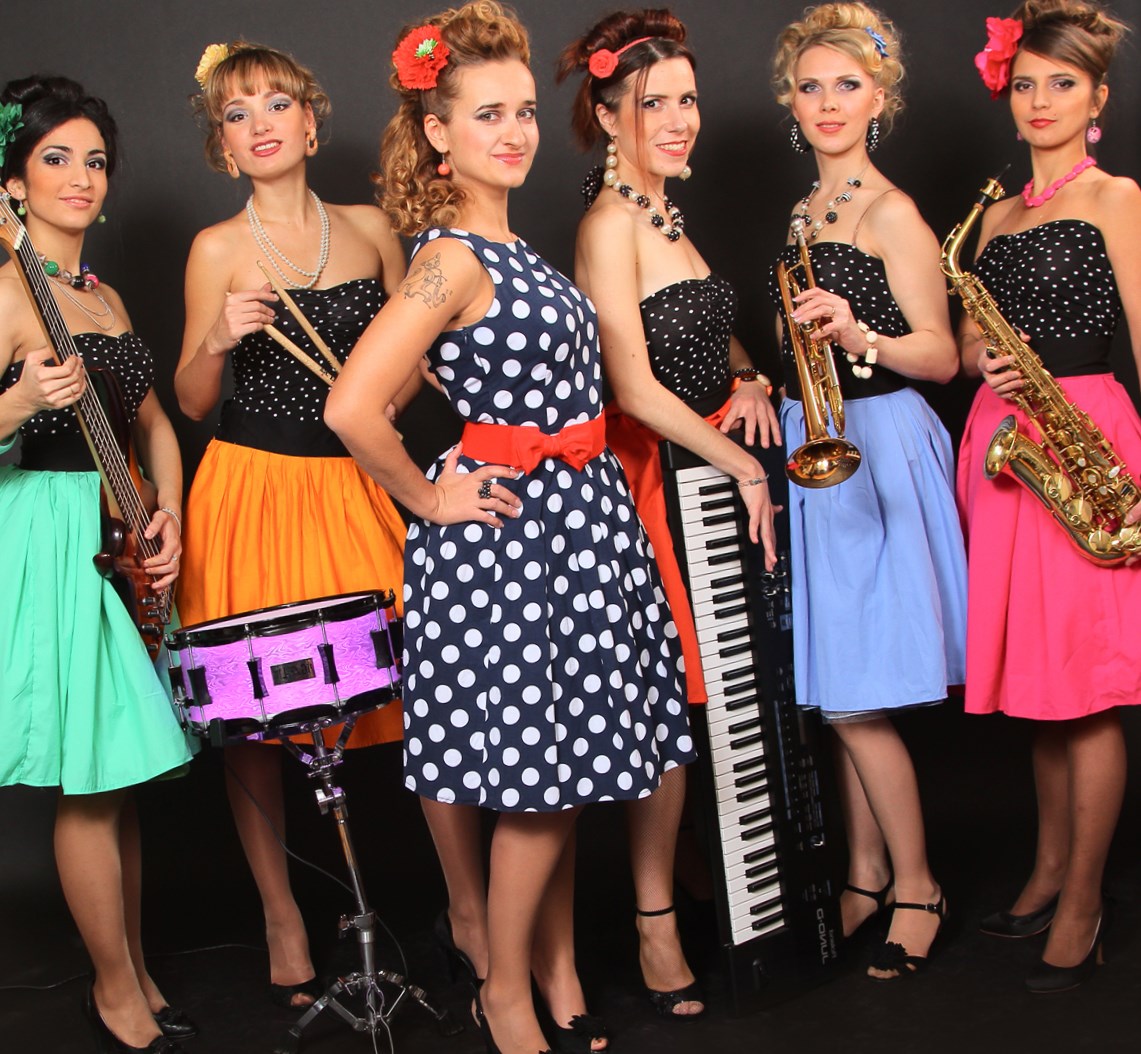
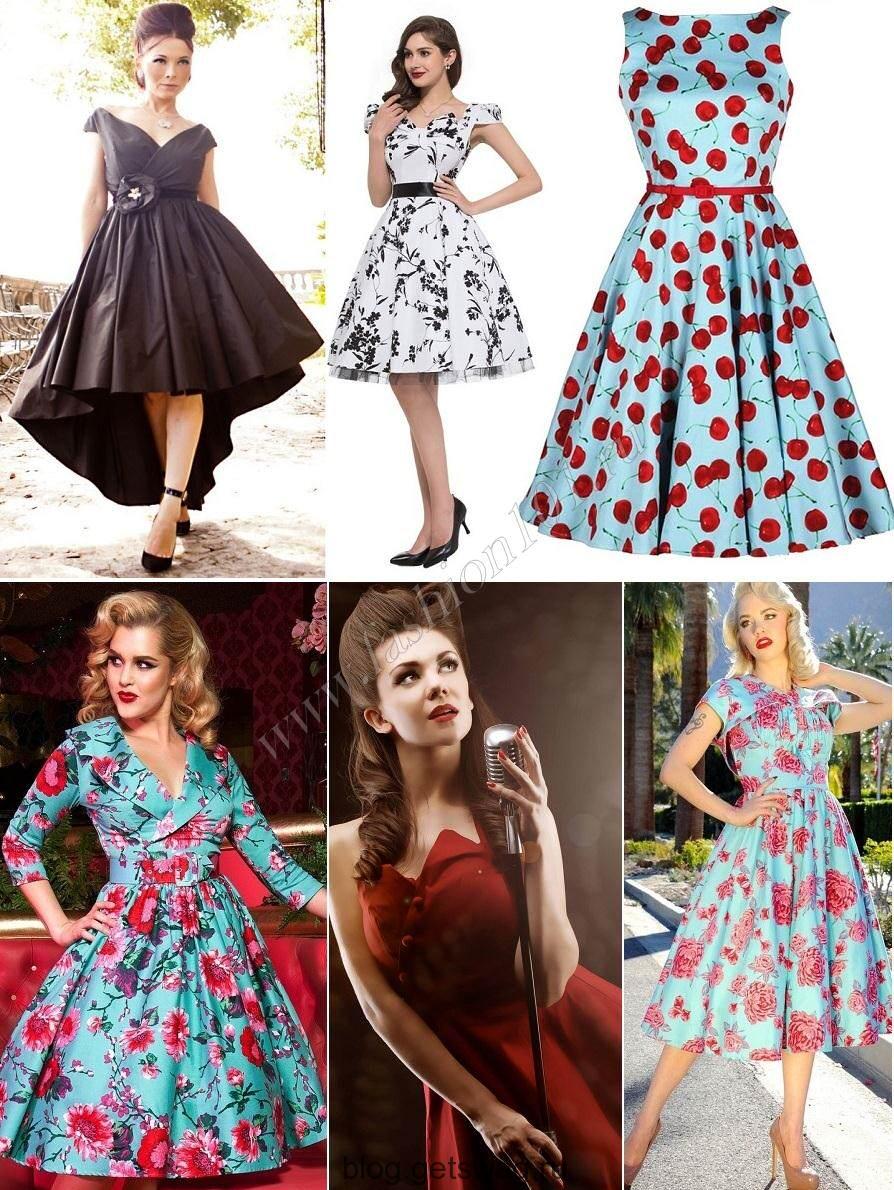
Dresses were decorated with prints in circles, stripes, checks or floral patterns. The more prints, the brighter the image and the better it looks. A narrow waist, often cinched with a wide patent leather belt, a tight bodice - the maximum sexuality of forms, challenging Soviet norms. Thin straps, revealing stockings, daring behavior, bold makeup, lined eyes and brightly painted lips. The difference was striking between Soviet girls in shapeless dull clothes and bright feminine forms, which were emphasized by the contrast between a fluffy skirt with a narrowly tightened waist. Very often, such dresses were complemented with round beads, bracelets and other jewelry.
The hipsters were divided into castes: flashy cheapies or laconic fashionable images, descended from American magazines. Color variety was not always a significant criterion, but an outlandish pattern, expensive earrings, confident gait and the ability to dance decided everything. Girls of the second type could afford to wear a laconic black dress or a tight narrow skirt, without losing a drop of the hipster gloss.

For men
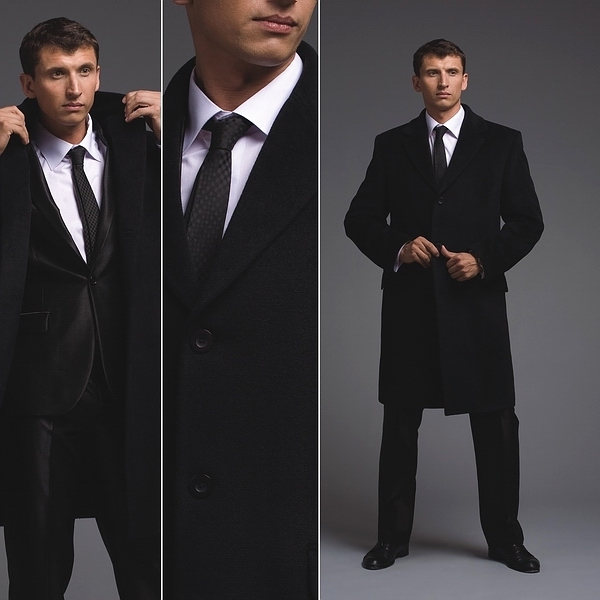
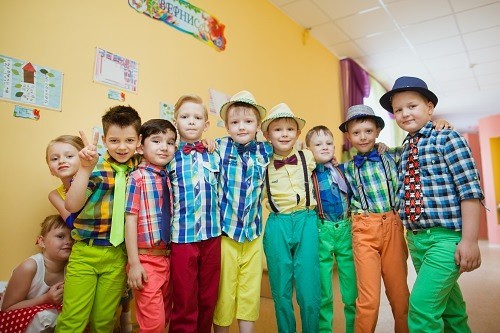
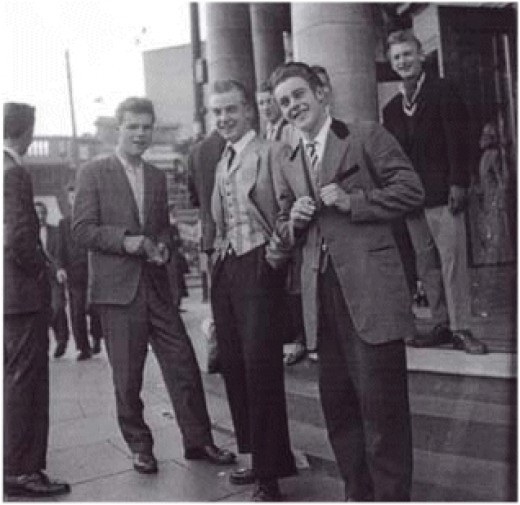
In the modern world, there is a stereotype that a guy does not care so much about his image and appearance, but this does not apply to the hipsters. It is difficult to determine whose appearance was more colorful and bold. The basis of the hipster men's wardrobe was tapered colorful drainpipe trousers with suspenders and a jacket - a daring analogy of a classic men's suit. Jackets were very different from those that most people wore in those years. Elongated, fitted, with sewn-on pockets, massive shoulders - there was no end to the styles, but they all demonstrated a masculine silhouette and clear lines (unlike Soviet, most often, shapeless jackets). The most popular were large checkered or plain fabric. Sometimes several colors were combined at once in jackets and other details, resembling spots. The male half often added vests, jumpers, pullovers to this style of clothing, which were often also with patterns. The image was completed, of course, by a shirt and a narrow tie (also called a "herring tie"), all in incredibly bright shades - that's their style, men's fashion played no less a role among the hipsters than women's. It's worth mentioning one more detail - colorful socks, partly to show them off the hipsters wore cropped trousers.


Shoes and accessories
Accessories played one of the main roles in the image:
- evening gloves;
- voluminous earrings;
- stockings with suspenders;
- headbands or scarves
- small handbags or reticules.
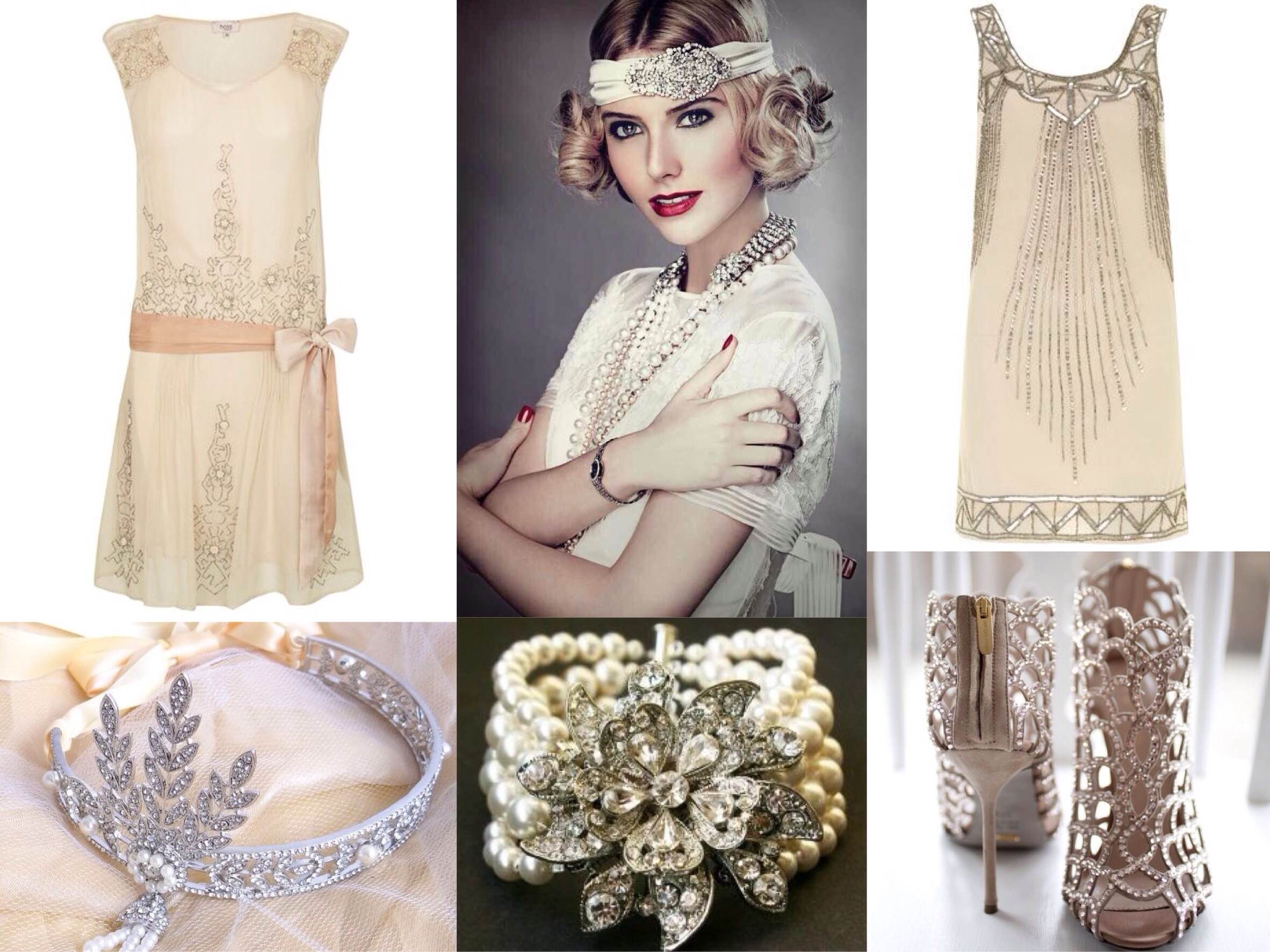
Stockings were hard to come by in the USSR, girls sometimes sewed them themselves (like clothes) or simply drew on the seams with pencils. The most cheerful colors were chosen for all accessories: yellow, pink, blue, green - the shades were almost luminescent. For men, these were, of course, ties (much less often bow ties), suspenders, and in rare cases cufflinks - decorated with patterns, as if from modern comics. But, of course, the main accessory was the hairstyle: a ponytail for boys, a babette and bouffants for girls, bangs twisted into curls.
The hairstyles were voluminous and had a lot of hairspray, which resulted in a neat but playful hairstyle that went against tradition. Girls often used satin headbands, large hairpins or bows as head decorations or additions to their hairstyles.
Shoes for girls are, of course, shoes: with a pointed toe or without it at all, with a strap and a medium-heel. They are comfortable to dance in and, thanks to them, the images looked especially elegant and feminine. Often, instead of golf or stockings, short light socks were worn under the shoes, adding playfulness. The main distinctive feature of men's shoes, characterizing the style of the dudes, were boots, similar to modern oxfords or brogues, only a little rougher and on a thick rubber sole. The dudes preferred shoes in classic colors, as if calming the image: white for boys, black for girls, but this was not typical for everyone: many still preferred rich colors in shoes.

What can you wear now?
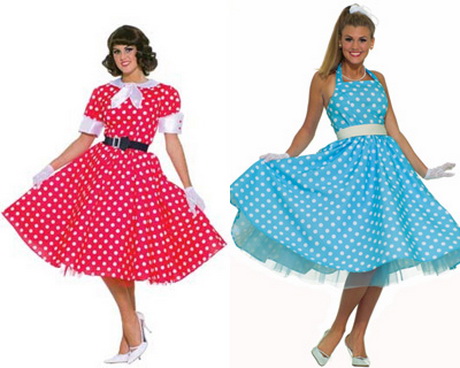
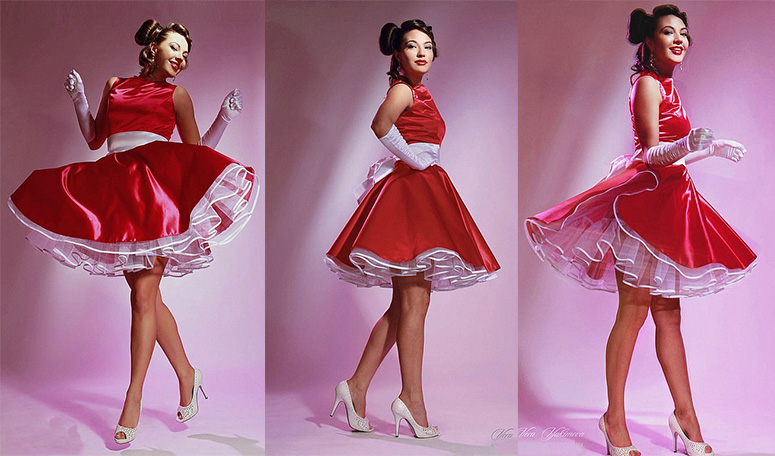
Of course, now no one forbids us to wear absolutely any clothes, but it is unlikely that you will want to turn to old styles, having all the variety of modern fashion in front of you. Many elements of clothing in the style of dudes are considered commonplace today. No one will be surprised by a banal colored shirt, tie or bag. The shoes of that time, on the contrary, have become even more popular today: brogues, oxfords, shoes can be found in everyone's wardrobe. Thick soles have literally just entered public fashion, and fitted fluffy dresses have never gone out of it. Although in everyday life it is better to limit yourself to a small number of petticoats and flowers, but for a festive event you can quite wear a "dude" style. Crazy accessories with a bright print are coming back into fashion. A calm color combination image can be diluted with colored socks, a bag or a belt, this will make your look interesting. Of course, if you use flashy elements in a single amount, and not in the whole image.
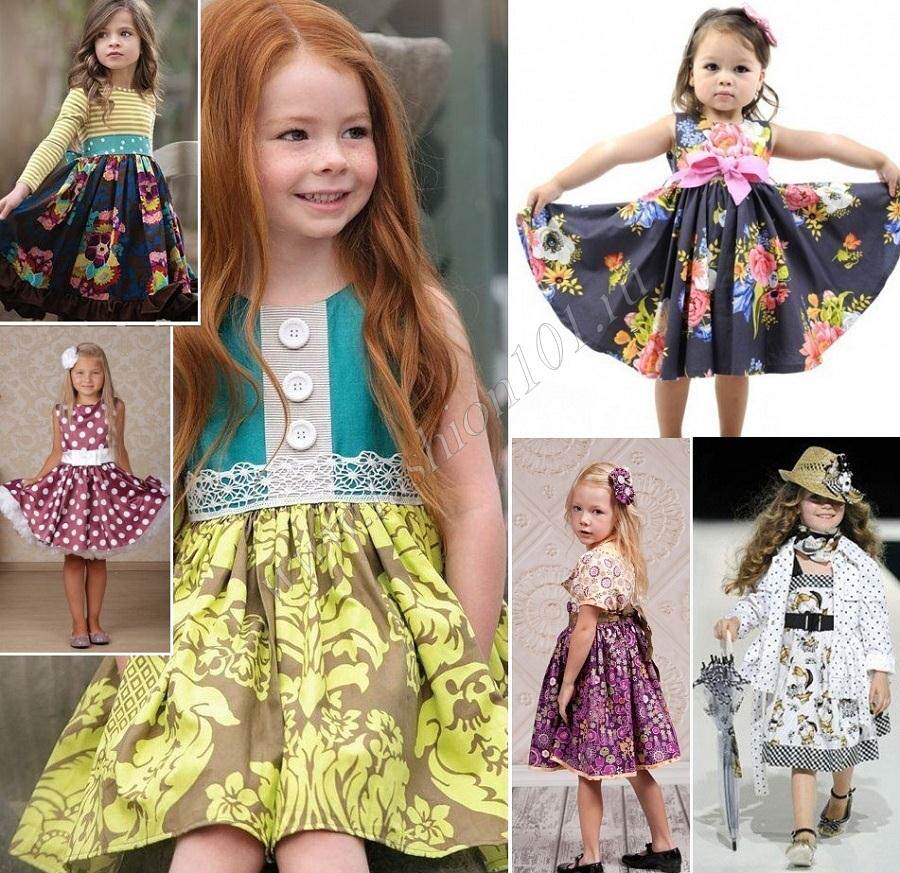
Another thing is the combination of the whole costume together or completely stylized wardrobe items, such clothes are suitable only for a party in the style of dudes or staging a dance number. There are even special theater rental shops where they sell those same dresses for women and jackets with ties for men. Today, many schools, clubs, recreation areas or dance groups like to borrow outfits or elements of the dudes' style, since it still remains one of the most characteristic and cheerful styles both in clothing and in lifestyle. Such an outfit would be especially interesting for children, since their looks rarely use such bright colors as in the dudes' style. In part, they would want to know the history of such a colorful, stylish image. Of course, now there are many branches of already outdated subcultures, among which there may well be jazz lovers who still prefer such an appearance.


Video
https://www.youtube.com/watch?v=ZwIpk2nWEuQ
Photo