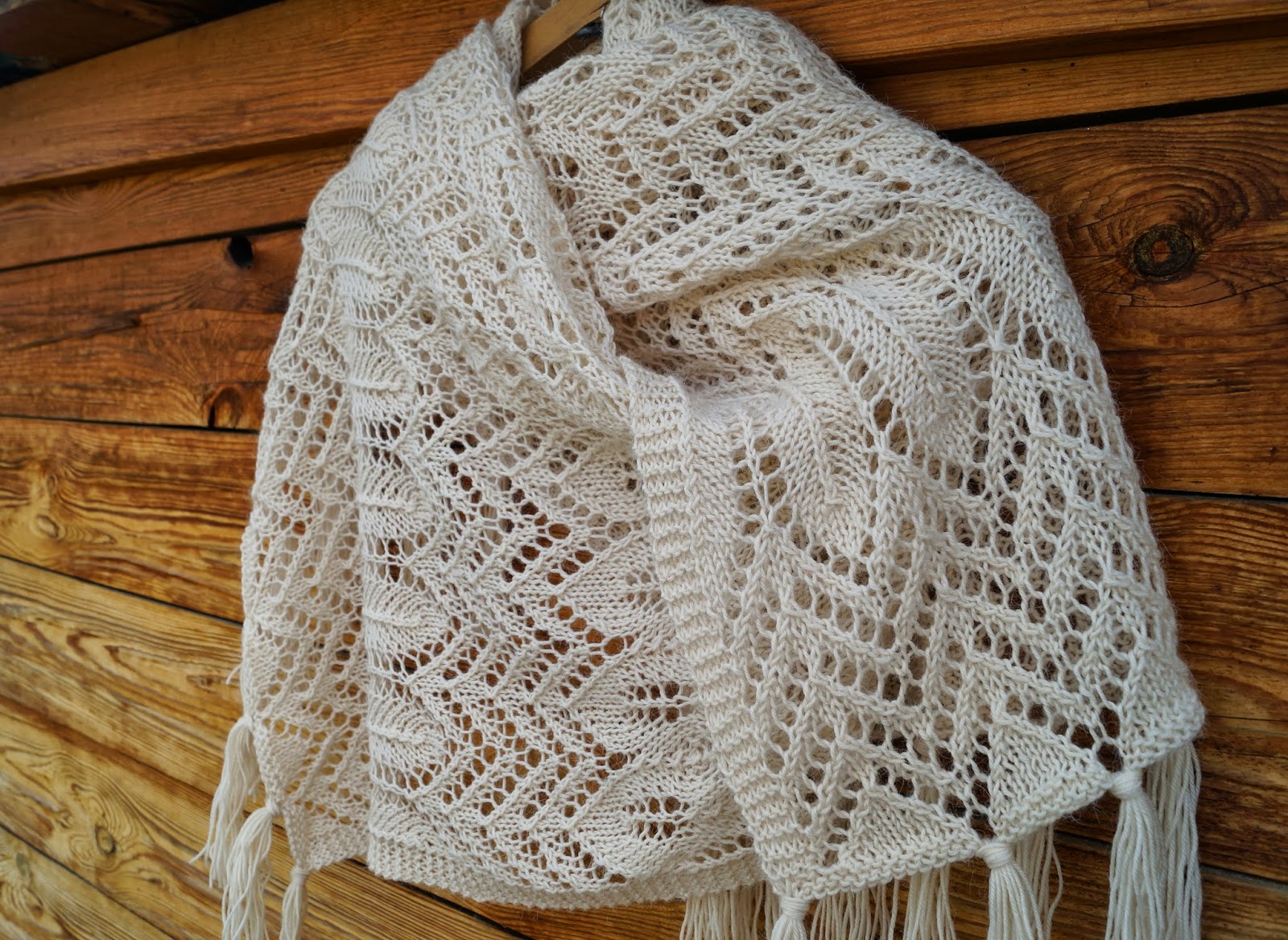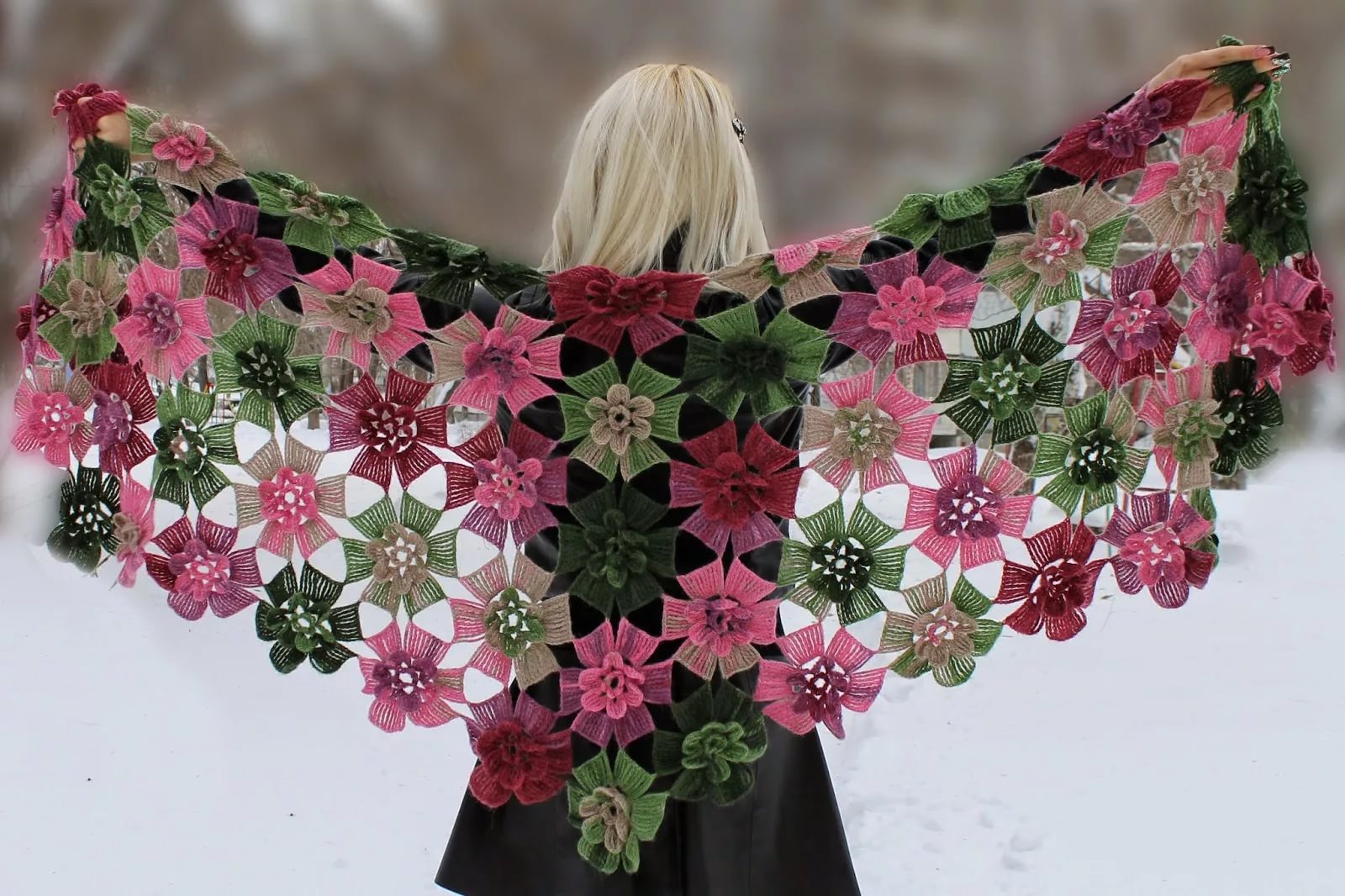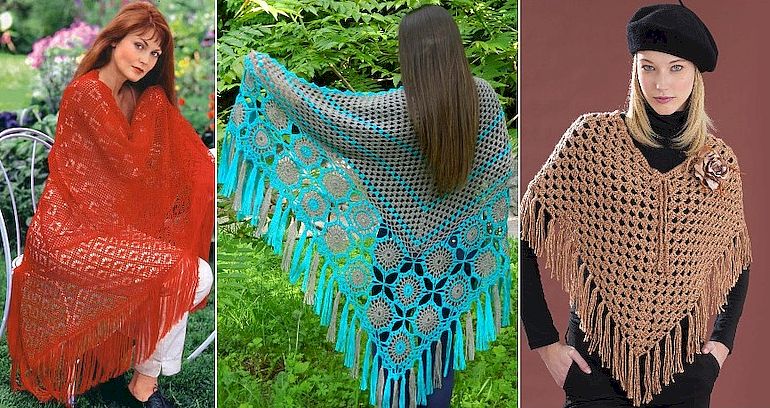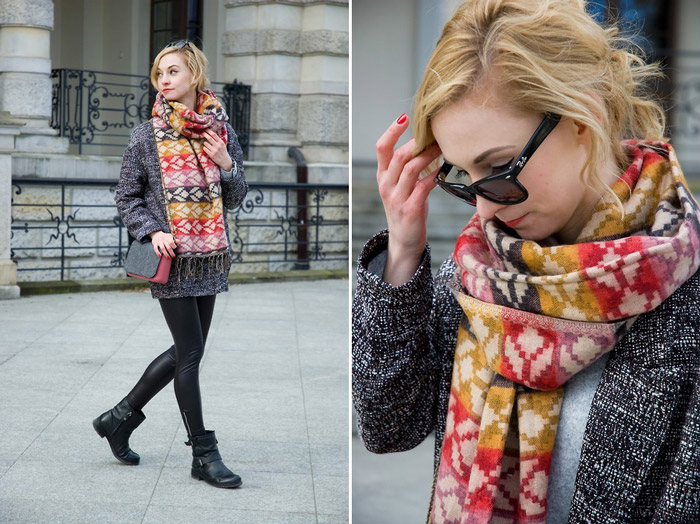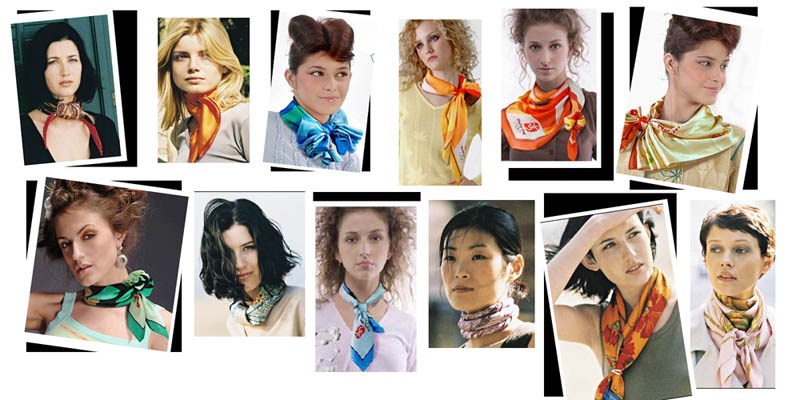
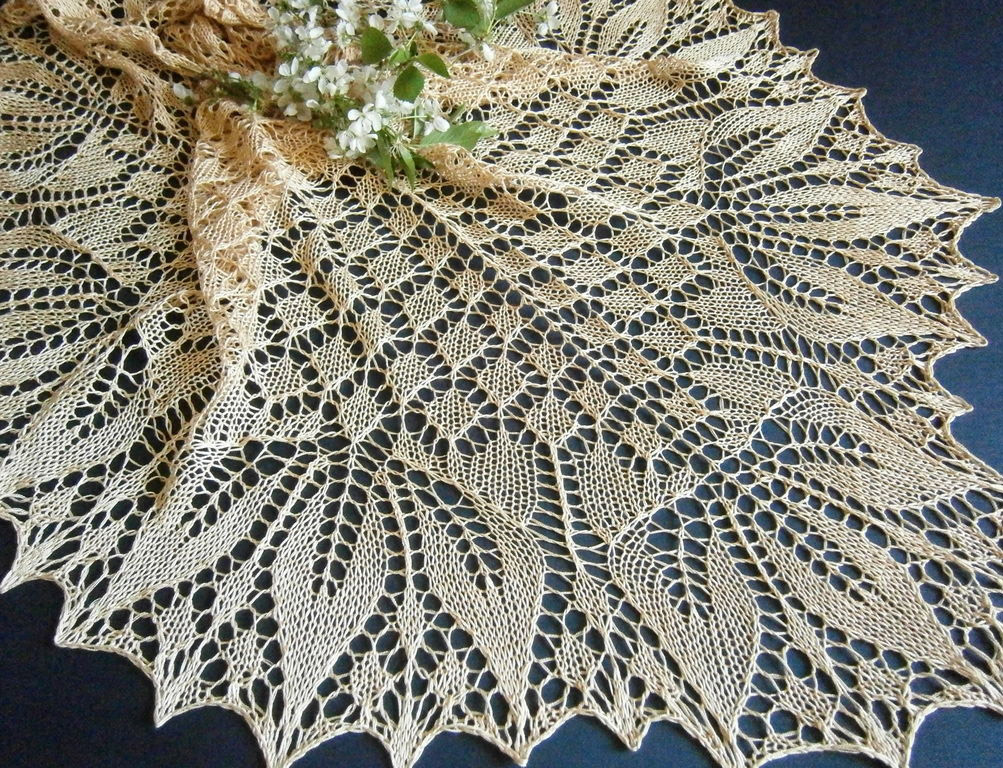
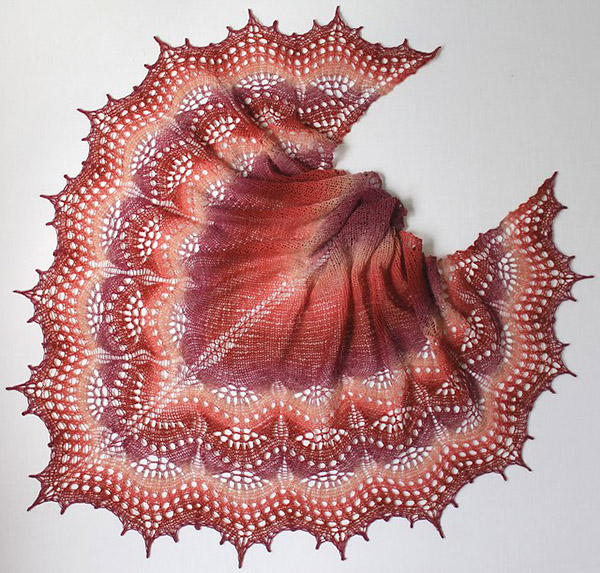
A symbol of femininity and tenderness is an openwork airy shawl. Beautiful scarves are increasingly found in the wardrobes of not only ladies of Balzac's age, but also young girls. And an airy shawl with knitting needles, the pattern and description of which are understandable even for beginner craftswomen, will become a wonderful decoration for its owner. It will be appropriate both on the veranda of the house in the evening and at any informal event.
Popular varieties
There are an infinite number of types of shawls that can be knitted. The main types for those who are just learning needlework:
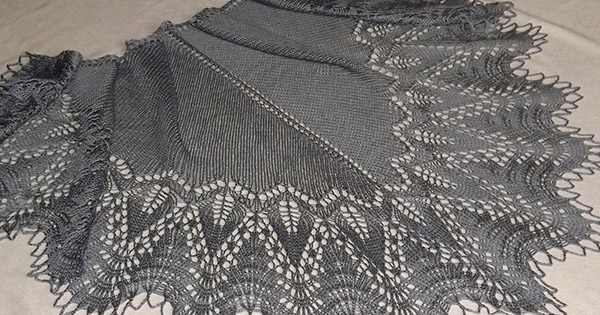
- A beautiful triangular shawl. Knitted like a regular large scarf - from the wide edge to the narrow one or vice versa.
- Rectangular. Knitted in the form of a figure with equal or different sides. Finishing along the edges creates the effect of a finished product and does not allow the shape to change during wearing.
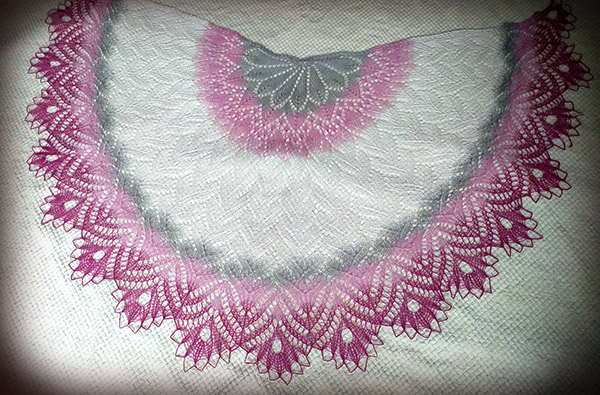
- Semicircle shawl. Not the most popular model, a little more difficult to make than a regular triangle. The addition of loops is not uniform, but in sectors to create an even semicircle along the edge of the product.
- A crescent scarf. Due to the elongated ends, it fits neatly around the neck, leaving tails for a beautiful knot.
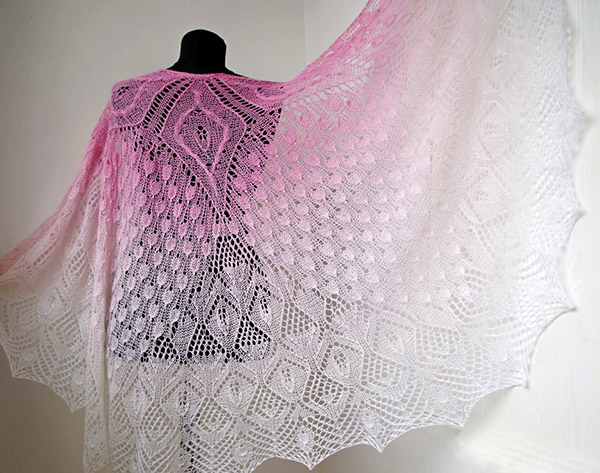
- In the form of a wave. It looks very impressive due to the bend of the fabric. Additionally, the wavy line is emphasized by a pattern of segmented yarn of gradient color.
- Shawls in the form of a simple cape of different shapes. Easy to make models that allow you to realize any fantasy with the help of interesting patterns and knitting methods.
- Stole. This is a large scarf or shawl that can easily wrap a petite girl. It is often worn in cooler weather, covering the shoulders.
- Baktus. These items come from Scandinavian culture. Initially, it was a warm, bright scarf, which in its modern version has turned into a fashion accessory.
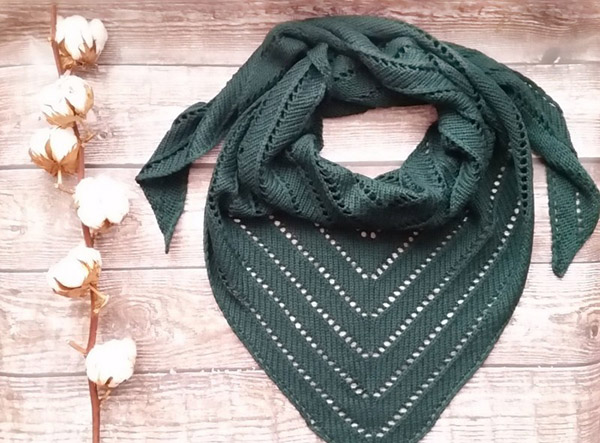
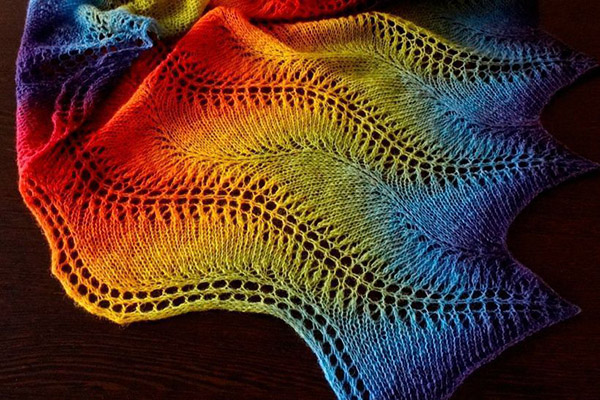
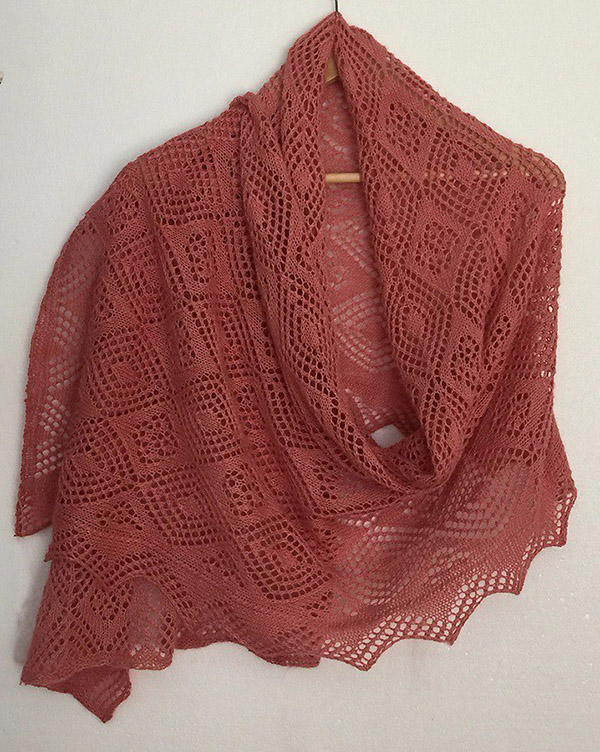
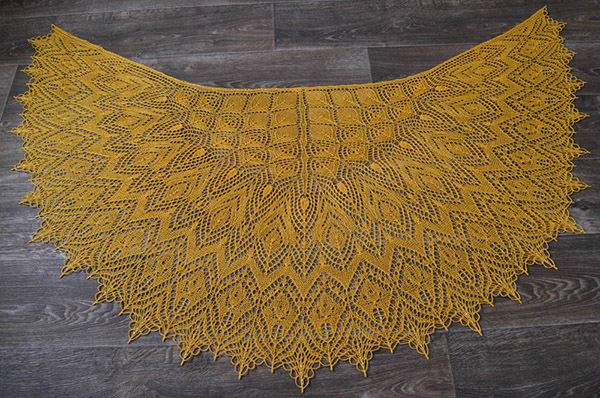
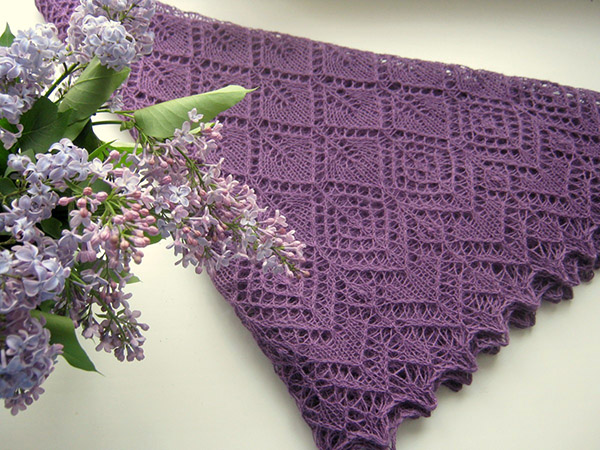
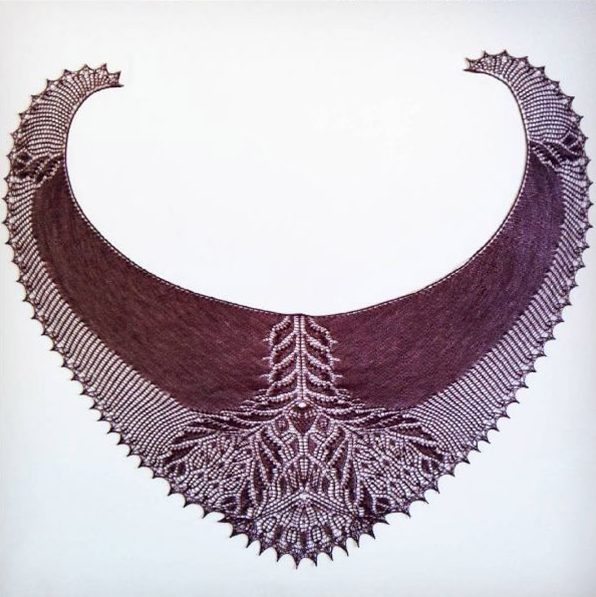
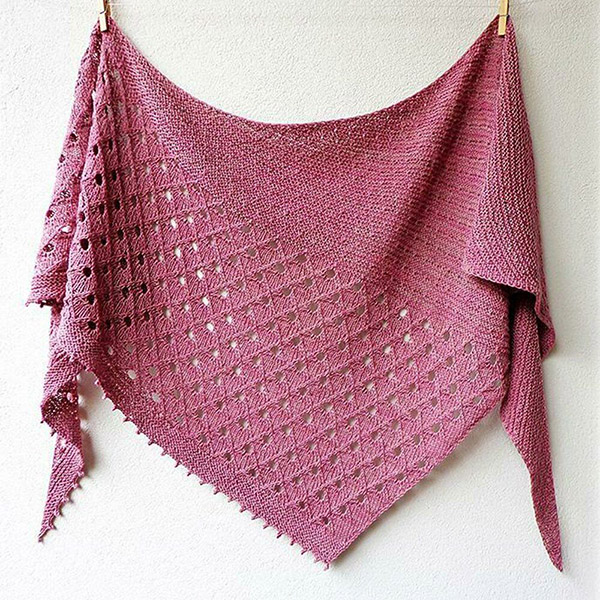
All these models will be within the power of beginning craftswomen. The shawl is knitted using patterns and descriptions. Easy-to-make openwork patterns are used for work. However, for experienced knitters, it is no longer enough to make a simple kerchief. For such skillful hands, more complex and interesting models have been invented that look like a separate type of creativity:
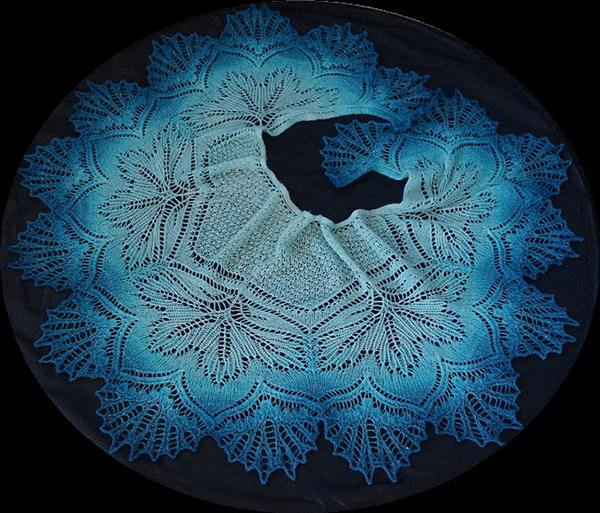
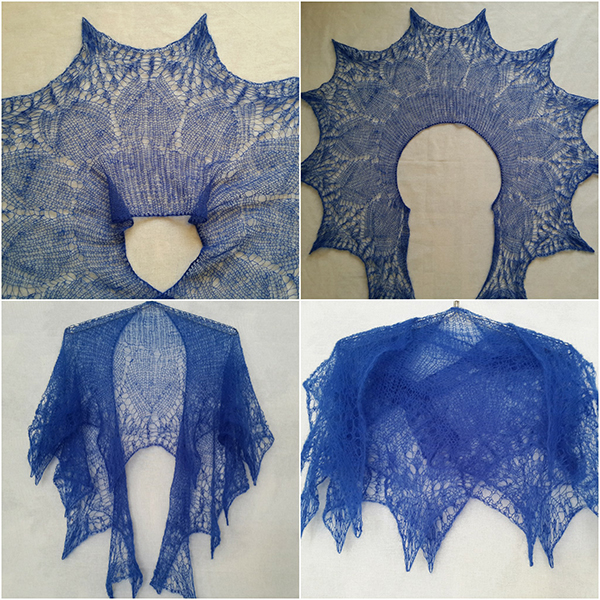
- Shawl "Cornflowers". Consists of many beautiful flowers, petals. The shape of the product is somewhat reminiscent of a triangle, but the airy patterns on the numerous ends give the scarf a fantasy look. These openwork shawls are knitted with knitting needles using cornflower-blue and blue threads.
- Model "Zephyrka". The shape of the product also defies description due to the endless transitions of the pattern from one level to another.
- "Triana", which is knitted in the form of a triangular shawl. The result is a cape of multi-colored stripes with transitions of patterns and colors.
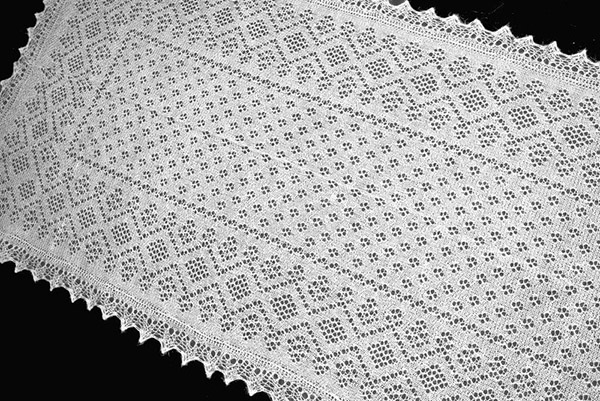
- Orenburg downy shawl, valued for its lightness. It is believed that only the original product is so thin and delicate that it can pass through a ring.
- "Twinity". The shape resembles a baktus, only much larger. Openwork patterns, light warm threads - and here is a beautiful unusual accessory in the fashionista's collection.
- Shawl "Marianna". It appeared as a development of the idea of a knitted collar. Currently, the pattern is used as a basis for making a whole model.
Many models are called differently only because they are made with signature patterns. Meanwhile, their styles are no different.
Patterns
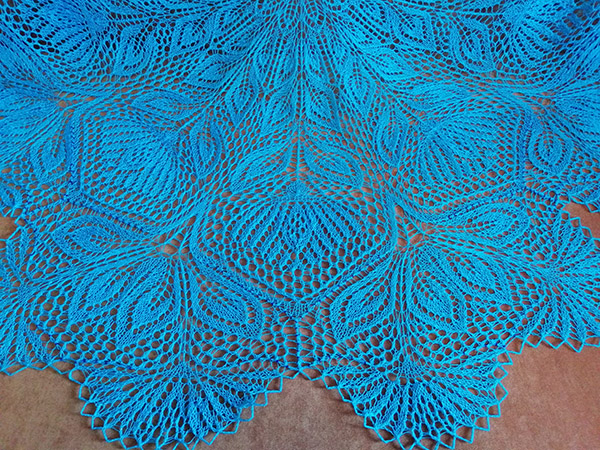
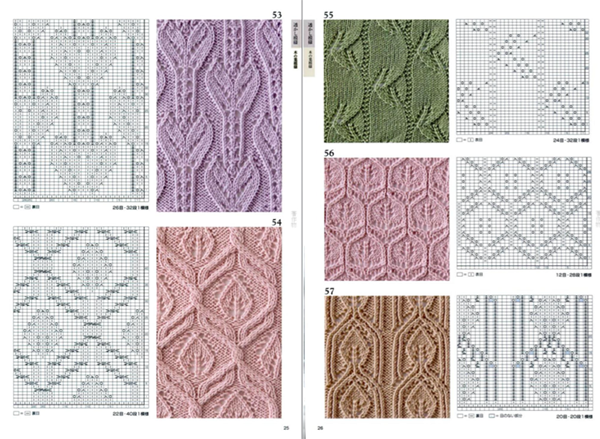
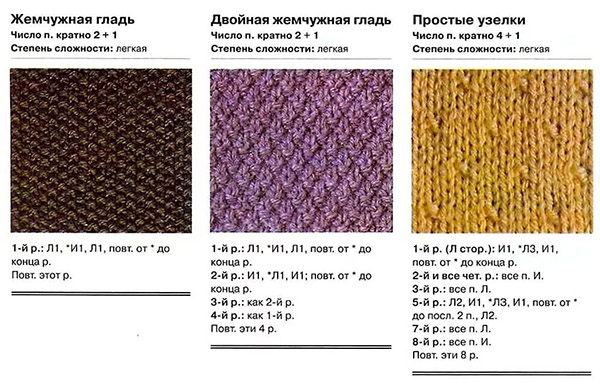
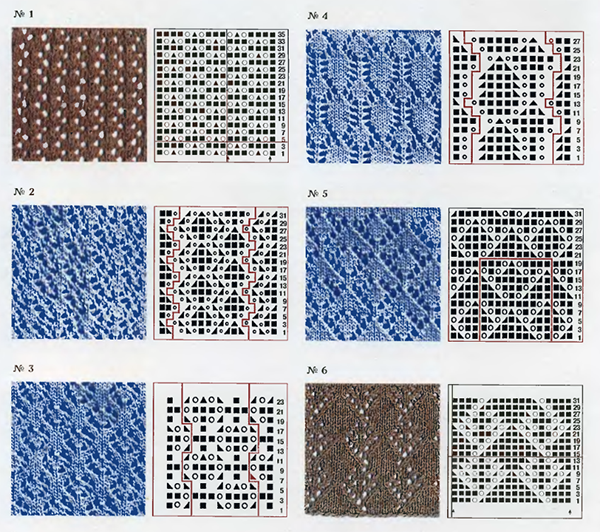
To make a truly beautiful scarf with knitting needles, beginners only need to use simple knitting patterns that are used for regular scarves: garter stitch, stockinette stitch. Easy openwork patterns will also be within the power of inexperienced craftswomen. Today, any shapes are popular: leaves, flowers, “shells”, “pineapples”. All of them are suitable for knitting shawls.
| Name of the knitting pattern/technique | The process of execution | Knitting difficulty level |
| Openwork patterns | Front and back loops with alternating yarn overs | Knitting is accessible to beginners |
| Braid patterns | The pattern is created by moving some of the loops and replacing them with others. | The pattern is more difficult to make and requires a little knitting practice. |
| Pearl knitting | Front and back loops are knitted in a checkerboard pattern | Knitting is available for beginners |
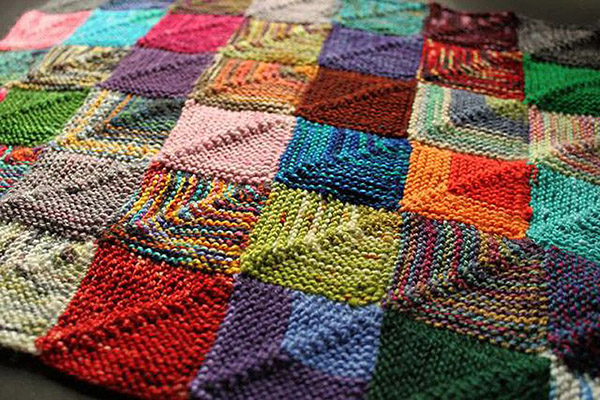
| Patchwork | The pattern is created by adding and decreasing stitches. | Knitting is recommended for both beginners and more experienced craftswomen. |
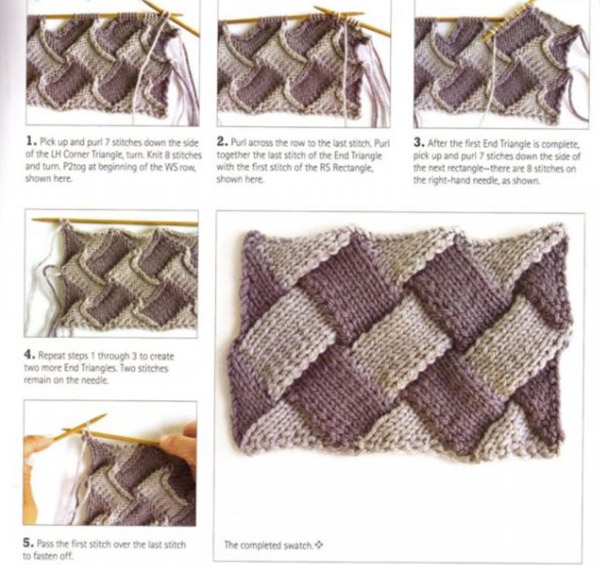
| Enterlac | The knitting process consists of changing the threads for different rows, squares are formed by changing the number of loops during knitting | The pattern requires knitting practice |
| Rotary knitting | Simple knitting in the part of knitting loops. The pattern is created by repeating individual sections. In this case, the rest of the product is not knitted | The process requires attention, as the canvas is formed unevenly. |
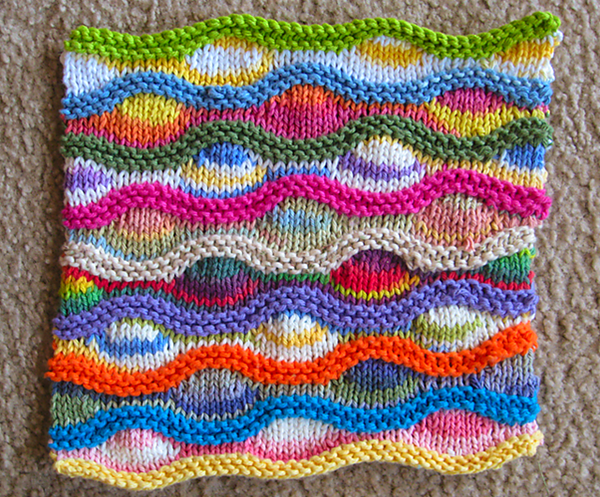
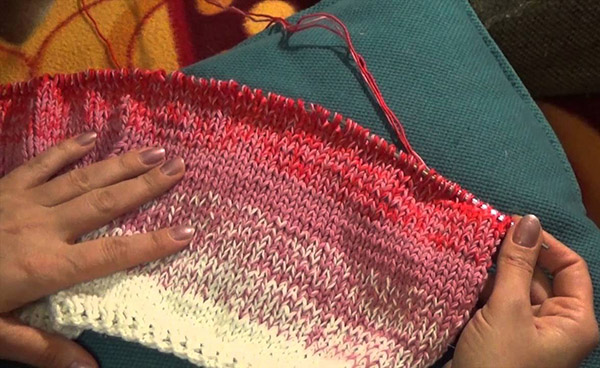
| Gradient | Knitting in different colors with a smooth transition from one shade to another | The technique requires accuracy and the ability to correctly select shades located next to each other in the pattern to avoid sharp transitions. |
Selection of knitting needles and yarn
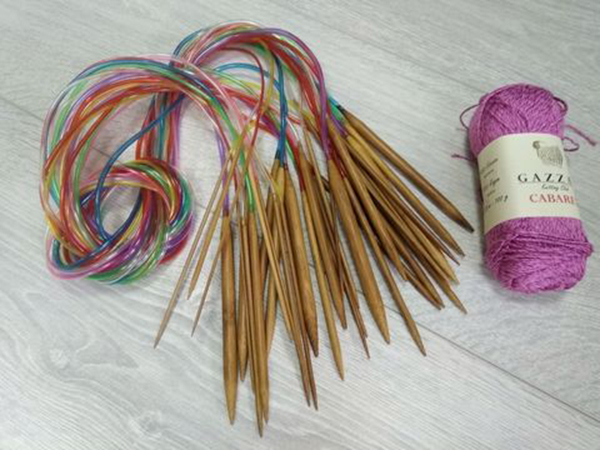
To knit shawls, you need to prepare the necessary materials and tools. Knitting needles are selected depending on the yarn - the labels of ready-made skeins always indicate the recommended size for them. In extreme cases, you can try to select a tool yourself depending on the thread: it should be 1 mm thicker than the yarn.
It is worth considering that when knitting different patterns, you need to change the needles. For example, for openwork patterns you will need thinner ones, and for a braid - thicker ones.
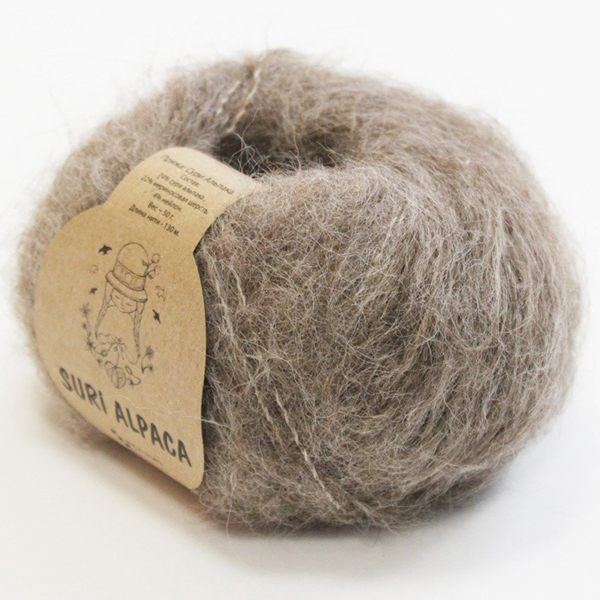
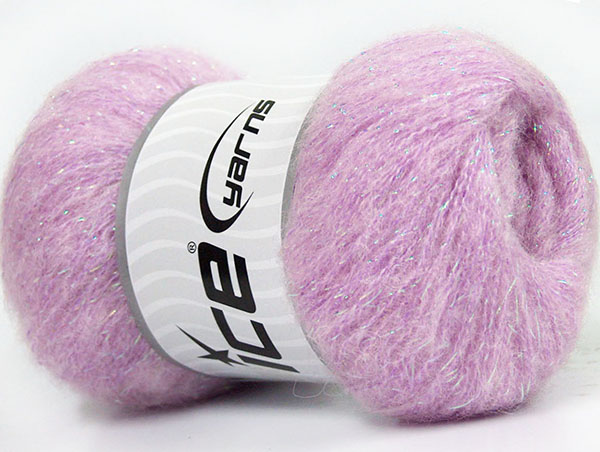
The yarn can be both thin and thick. Popular threads for openwork warm shawls with knitting needles are kid mohair. Most models are knitted from them. The products are incredibly soft, as the yarn gives them fluffiness and lightness.
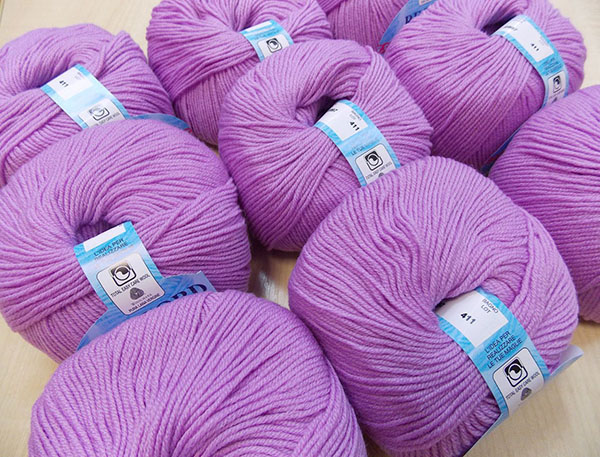
For winter knitted shawls with knitting needles, you will need good warm threads: merino, alpaca, angora. To make an Orenburg downy shawl with knitting needles, you need high-quality down yarn. Woolen threads are not suitable in this case because of their stiffness and weight. Summer models are knitted from silk and cotton threads. The former are suitable for a smart cape intended for going out, the latter - for an everyday shawl for a summer evening. They are easy to wash and do not lose their shape and color over time.
For complex gradient models, it is better to use sectional yarn. It has a special multi-colored coloring, allowing you not to monitor the transition of colors. The shawl turns out to be a fantasy coloring with any pattern.
In ready-made descriptions for knitting a shawl, the approximate consumption of yarn is usually indicated based on its thickness. But if you take similar, but slightly different threads for work, you can make a mistake. To correctly calculate the amount of yarn for a shawl, you can use a special online service (calculator).
Stages of work taking into account the model
Knitting such an accessory with knitting needles is not an easy task for beginner craftswomen. Below are step-by-step explanations for making an openwork shawl, scarf and other interesting models. In order to avoid possible mistakes, you need to strictly adhere to the diagram with the description.
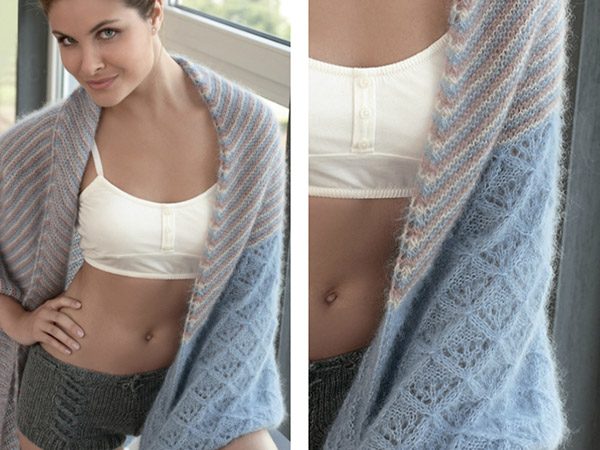
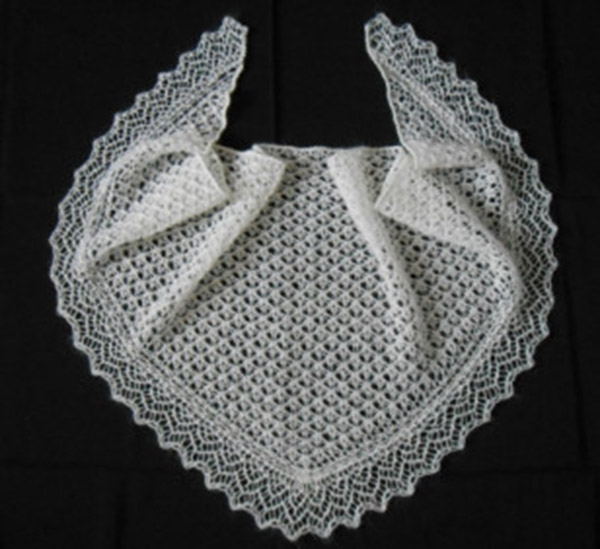
Openwork web of mohair
The knitted openwork web shawl made of mohair should be made from threads that contain half mohair and half silk. The main stages:
- The web shawl is knitted in separate parts. You can choose original openwork patterns at your discretion.
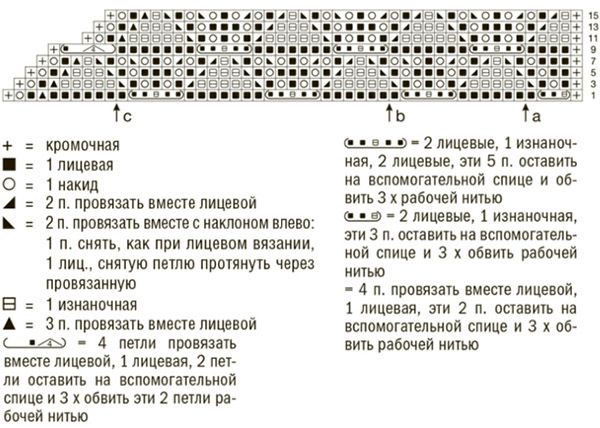
- Knit the middle of the shawl with the first chosen pattern, alternating yarn overs, 2 together knit stitches, regular knit stitches and 2 together knit stitches with a left tilt.
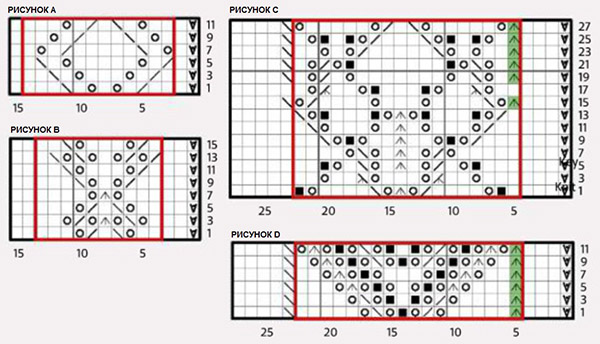
- Rows 5-23 repeat 13 times, 5-15 – 1 time.
- Knit the last rows of the middle of the product as follows: 2 – front stitch, 4 – garter stitch.
- Without closing the loops in the last row, temporarily put the openwork shawl aside.
- The edge of the shawl is knitted with another selected pattern. The following beginning is recommended: make 9 loops with auxiliary yarn and perform several rows, knit 1 row with the main yarn using face loops. Then continue according to the selected pattern.
- Tie the edge to the main fabric in every odd row.
- When the entire fabric in the middle is knitted, connect the edges of the edge and finish knitting.
An openwork scarf requires special processing to give the product its final shape. The technology is called blocking or stretching. The product must be moistened and dried, fixed in an unfolded state.
Miniature Shawl for Beginners
For this style, you can use Kauni yarn or any other yarn with a density of 400 m per 100 g. This mini-shawl model is knitted in a circle from the bottom up, that is, from the border to the center. Sequence of actions:
- Cast on stitches for the required number of rapports. This shawl usually uses 30 or more stitches. That is why it is recommended to use circular knitting needles for the work.
- Knit the border of the scarf using the chosen pattern.
- After making the edge, switch to the main pattern (garter stitch) and using the shortened row technique, knit until the very end, until the loops run out.
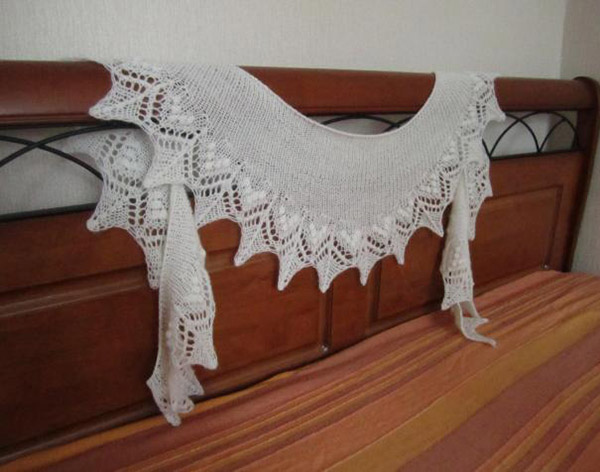
The result will be a small crescent-shaped shawl. The finished product must be steamed and blocked.
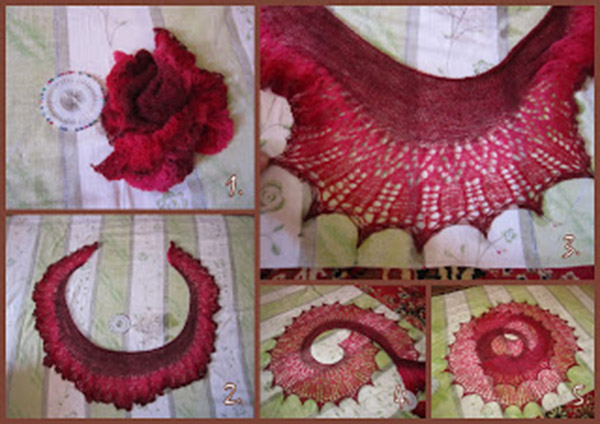
Semicircular kid mohair
Mohair threads are used to knit this model. You will also need knitting needles of 3 to 4 mm in size. To work, the parameters of the shawl are determined - the length along the long edge and the depth of the product. Based on the parameters obtained, the number of increases is calculated. The mohair shawl is knitted from the edge to the middle.
Sequence of actions:
- A pattern for an openwork design is selected.
- A small number of loops are collected. In the process, with each row, using increases, the fabric increases to the required width.
- The last row of loops is carefully closed so that the edge of the mohair shawl made with knitting needles does not become pulled together.
When the product is ready, it must be steamed and laid out on a large surface until completely dry.
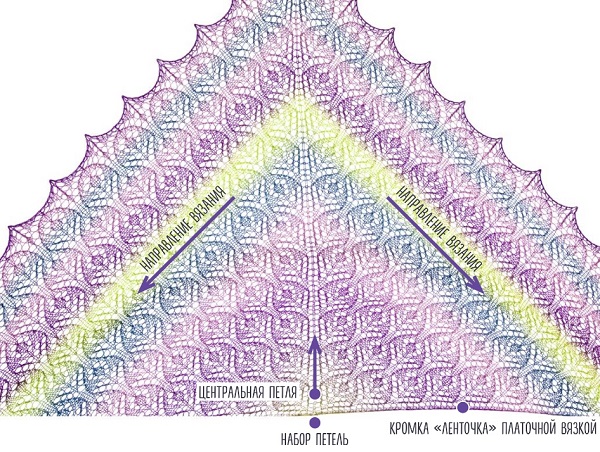
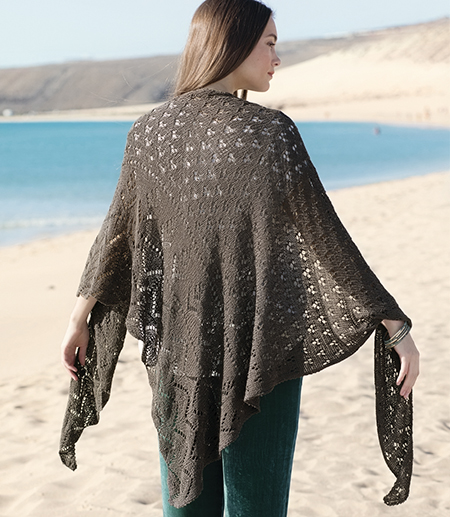
Triangular scarf
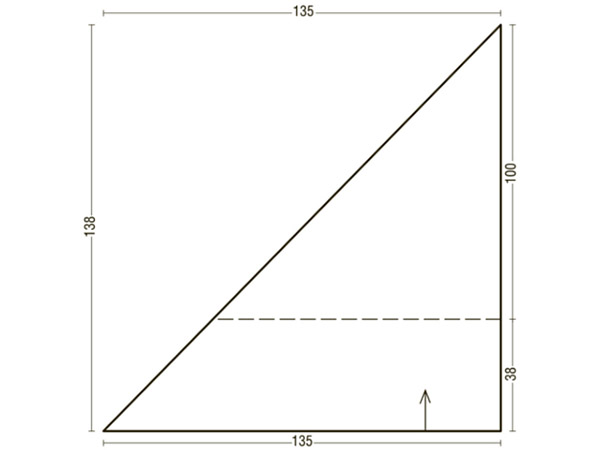
This is the simplest model for beginners. Any yarn will do. Knitting should be started from the widest edge of the shawl to the narrow one, using a regular stockinette stitch.
Step by step guide:
- Cast on the required number of stitches to start knitting.
- Having calculated the degree of narrowing of the openwork scarf, make constant decreases in loops.
- Cast on 9 stitches for the set-up row. Turn the fabric over and knit them with face stitches.
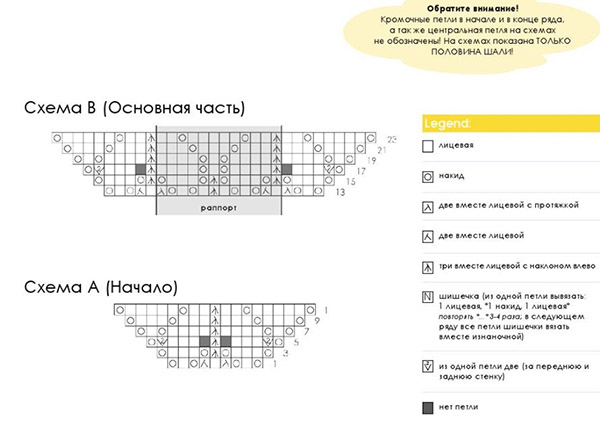
- Knit the first row in the following order: edge loop, yarn over, knit, 2 together, another knit, 2 together again, knit again, yarn over, edge.
- Second row: edge stitch, yarn over, 2 knit stitches, all knit stitches together, yarn over again, 3 knit stitches, yarn over and edge stitch.
- Third row: edge. Yarn over, 2 knits together, knits again (3), skip stitch, 2 knits together, skip stitch, 2 together, yarn over and edge. Knit according to this pattern up to row 10.
- Row 11: edge, yarn over, knit (5), 2 knit together, 2 with yarn over, 5 knit, yarn over and edge. Row 12 according to the selected pattern.
- Row 13: edge, 1 yarn over, 2 knit stitches together, knit, 2 together, yarn over again, knit, yarn over again, 2 stitches (knit), knit, yarn over, and so on.
- When you have the desired triangle size, close the remaining loops.
- Steam the finished triangular shawl.
This model can be made even from the remains of different balls, the main thing is that the threads match in thickness.
Snowflakes
A simple to make but spectacular looking triangular shawl made with knitting needles will be made from beautiful snowflakes. The pattern looks like a delicate blanket of snow, hence the name. For knitting you need to take only 60 g of mohair.
Main stages:
- The fabric is knitted from the bottom up. The addition of loops to the desired width is done on both edges of the product.
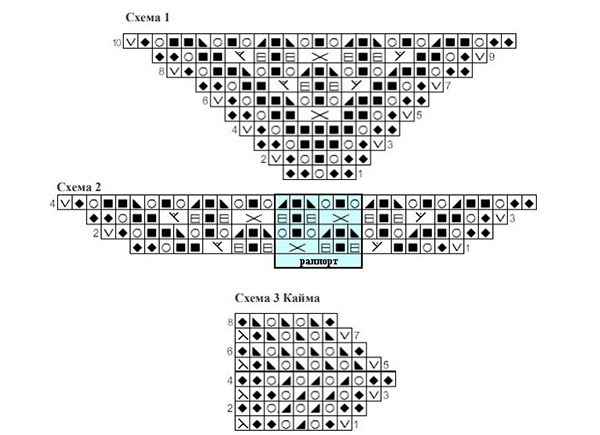
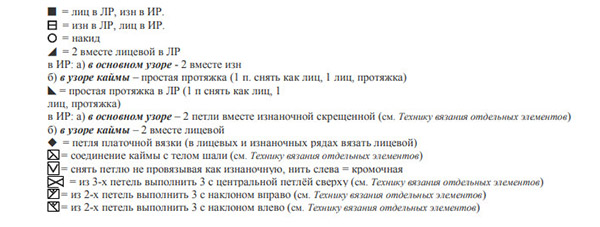
- Knitting a shawl with knitting needles is done with the basic pattern according to the scheme. Due to the yarn overs in the rows and knitting individual loops together, a small openwork cape is obtained.
- When the main fabric is ready, it is better to tie the edges of the shawl with a “crayfish step” pattern.
After finishing the work, the product must be washed and allowed to dry, without forgetting to lay it out correctly during the drying process.
Decorating the product
Additional decoration is not always used. If the product is knitted with an openwork pattern, then no decorations are usually required. The shawl becomes quite beautiful due to the sophistication of the patterns and the richness of the color.
Capes knitted using the gradient technique should also not be decorated, so as not to overload the product with decor.
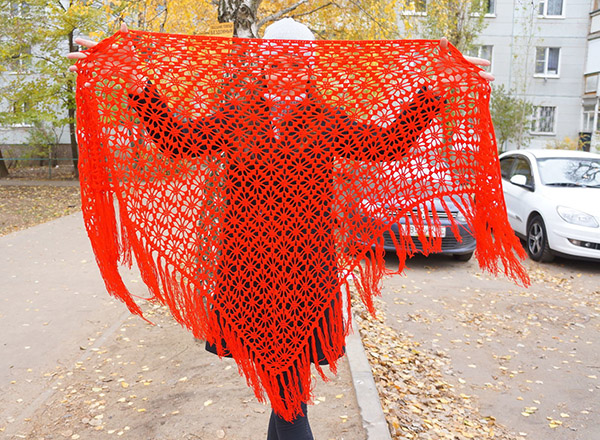
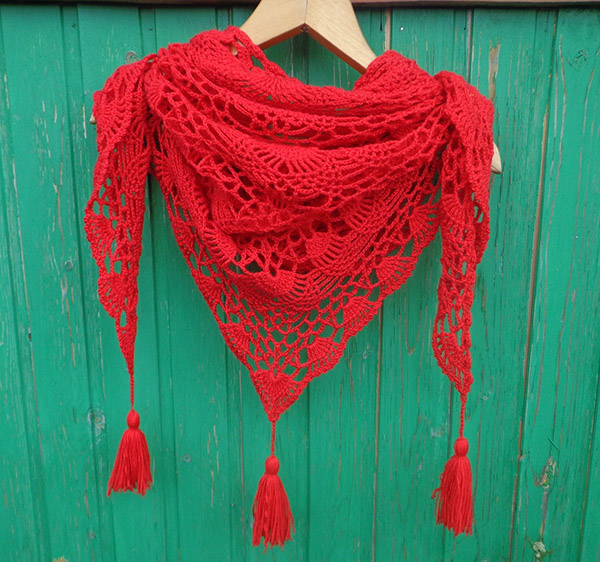
It is advisable to add tassels or knit fringe along the edge to models knitted with the front surface. Often beads are sewn along the perimeter for decoration, and small beads are knitted into the main fabric. Also, in order to give the shawl more originality, you can use yarn with color transitions, textured threads or contrasting edging.
Knitted shawls with knitting needles using simple patterns are easy to make for both beginner needlewomen and masters. By spending a little free time, you can create a beautiful and fashionable accessory. If you try hard, it will please not only with your favorite color, but also with excellent quality.
Video