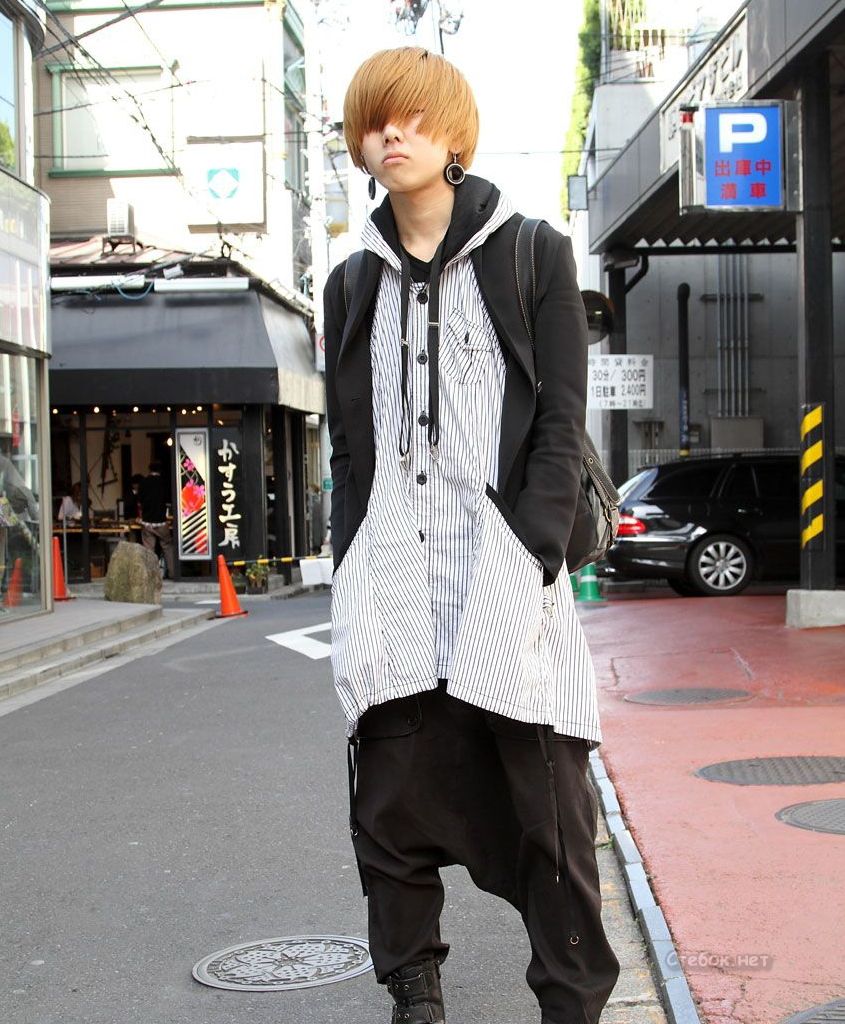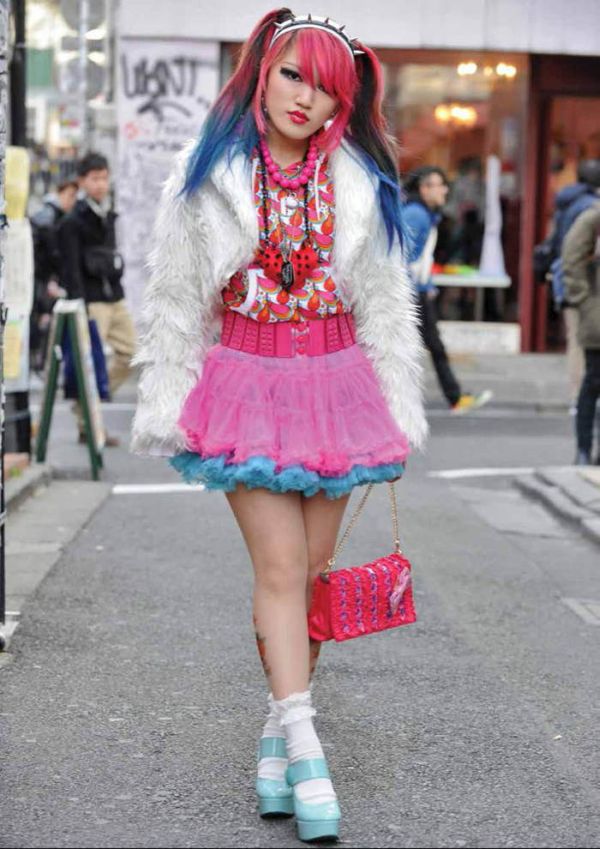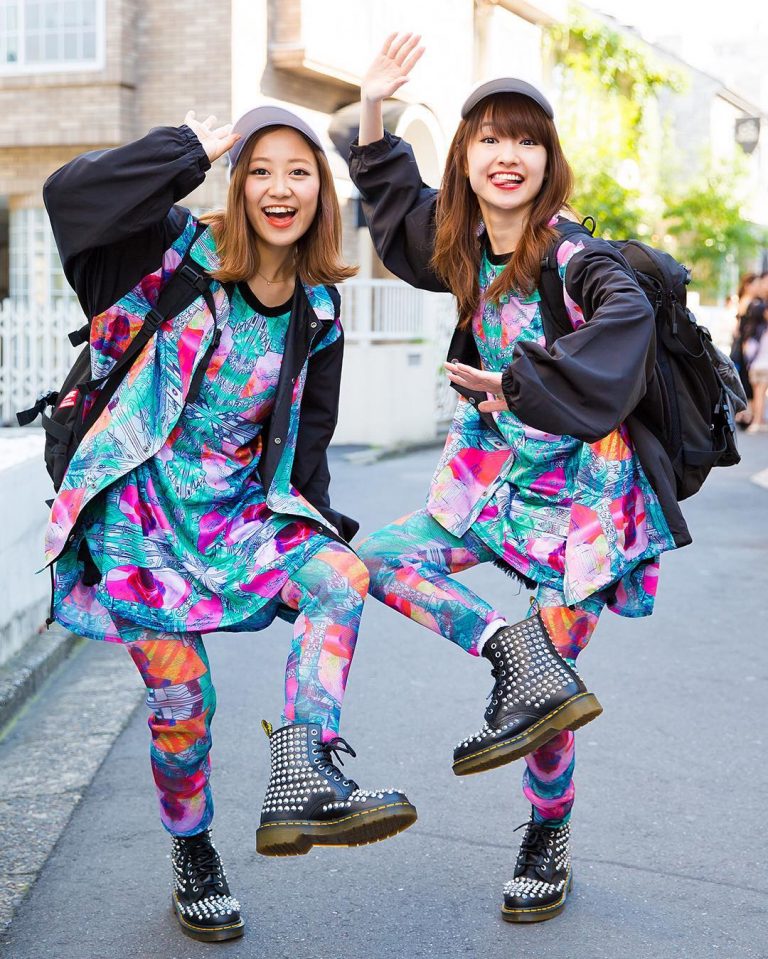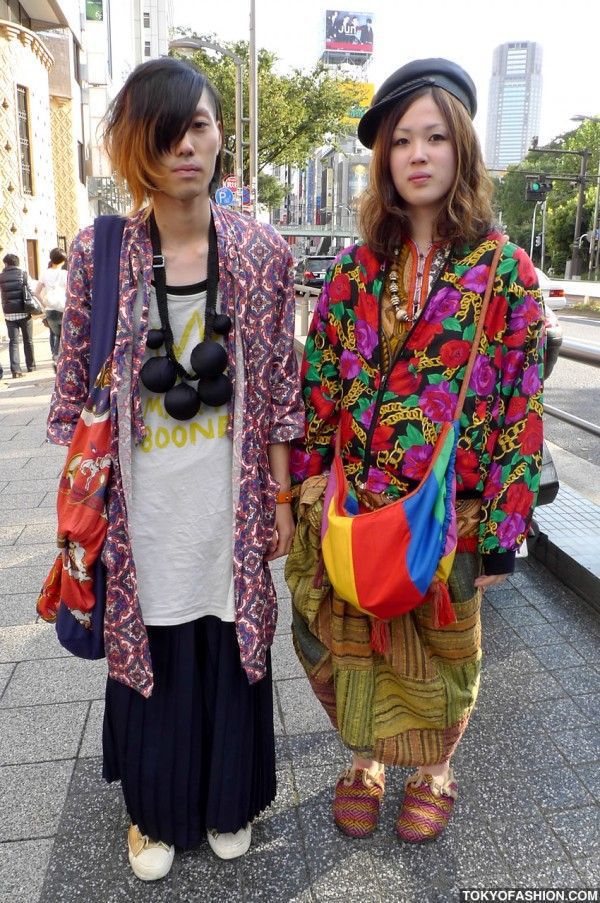
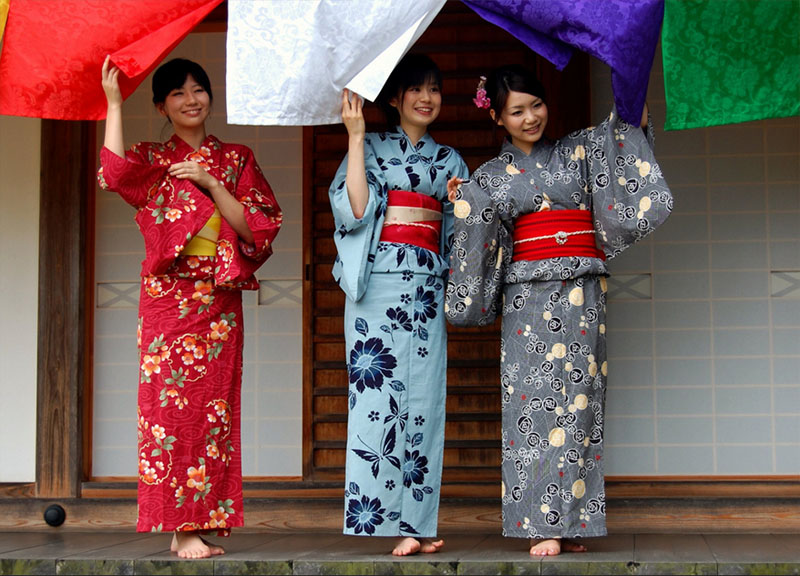
The Japanese style has been formed over many centuries. It has absorbed the power of nature, the surrounding universe and the environment. All Japanese clothing is a unique example of a combination of the immutability of form and color motifs. This is a unique multifaceted world of images, in which each element exists its own harmonious life, forming a single whole with the surrounding world.
Varieties
Each nation has its own foundations and set of traditions that are reflected in the clothing sphere. Japan is no exception. It branches out into two sources – wafuku (traditional style) and yofuku (Western style). Types of Japanese clothing are diverse and exclusive.
The Japanese have worshiped nature since ancient times and treated it as a living creature. Each element showed the care of the master who worked on it - be it stone, wood, clay or fabric. Artists sought to see much in the small, so they tried to reflect their independent vision. The national costume has gone through a long period of evolution - more than a thousand years. It is characterized by intricate geometry of the pattern, uniqueness of composition. The very first Japanese national clothing resembled a poncho framed by a belt. In winter, they were put on several pieces, which served as the basis for the creation of traditional multi-layered clothing.
The ancient Japanese constantly wore hakama (men) and mo (women). This clothing, created according to special Japanese patterns, was a skirt made of several pieces of fabric attached to long belts. The length of such a skirt reached the floor. Such clothing did not emphasize the figure, it was a kind of decoration.
Another type of national Japanese clothing was the haori jacket, which had an open cut and also fell down. The usual kimono was preceded by another type of clothing - kosode, which was worn by both girls and men. It had the form of a wide robe with a straight cut and elongated sleeves. Traditionally, kosode was used as an element of outerwear.
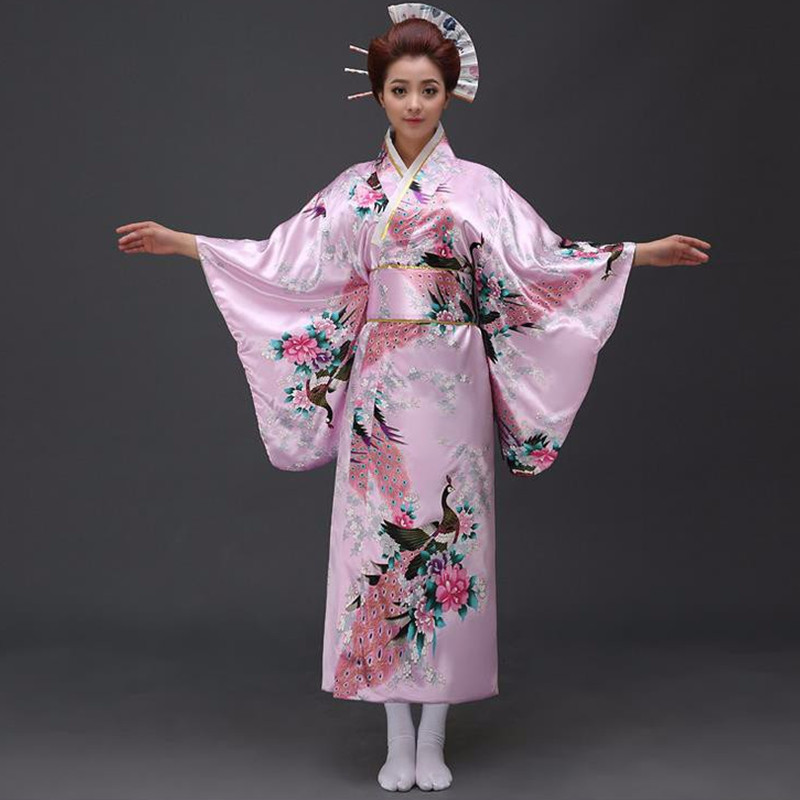
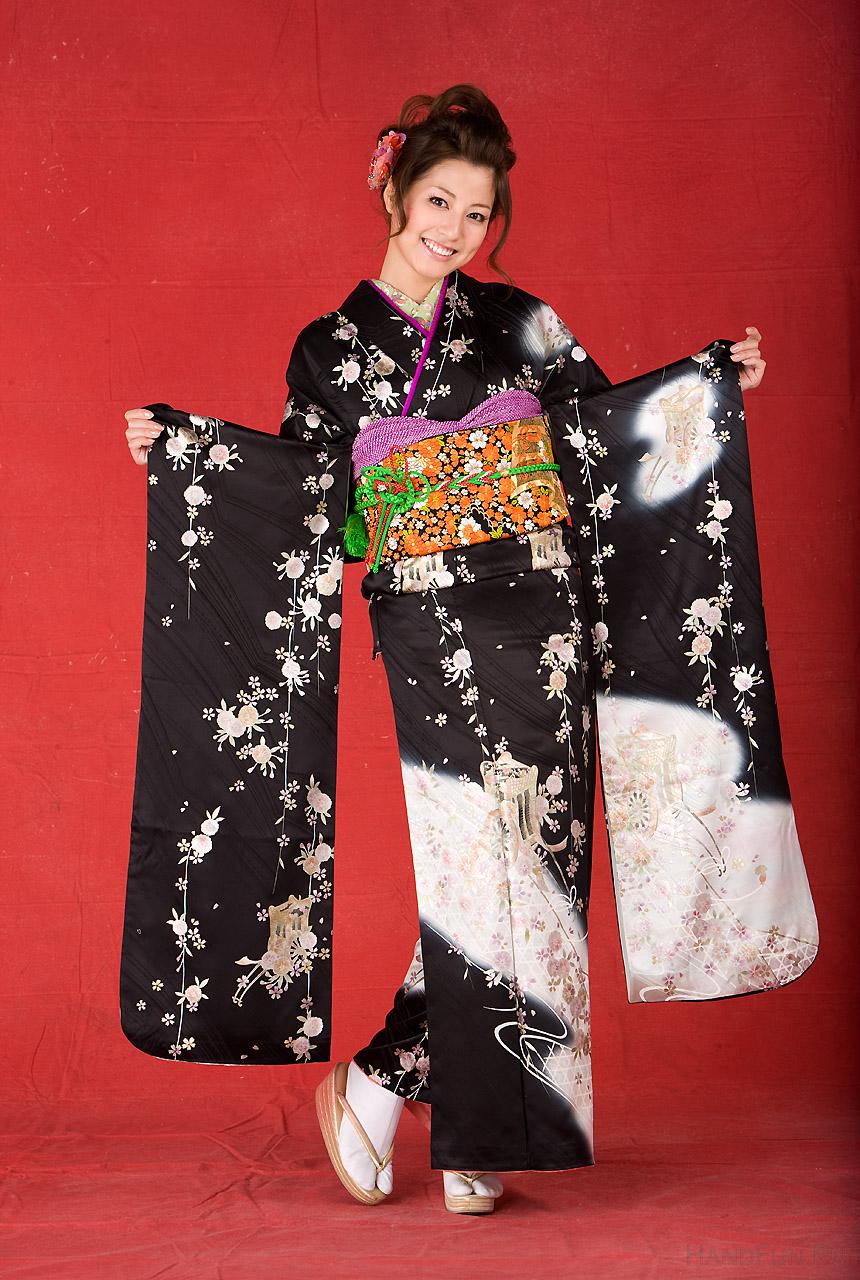
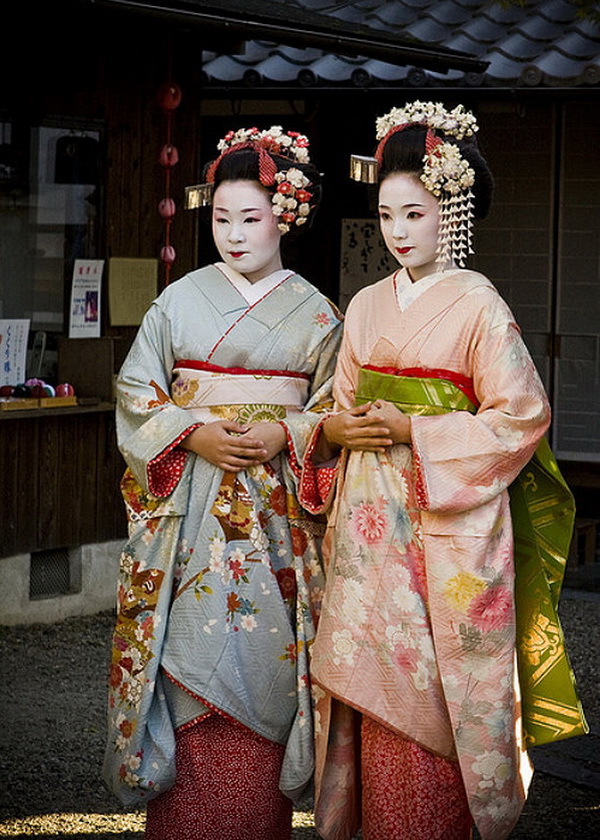
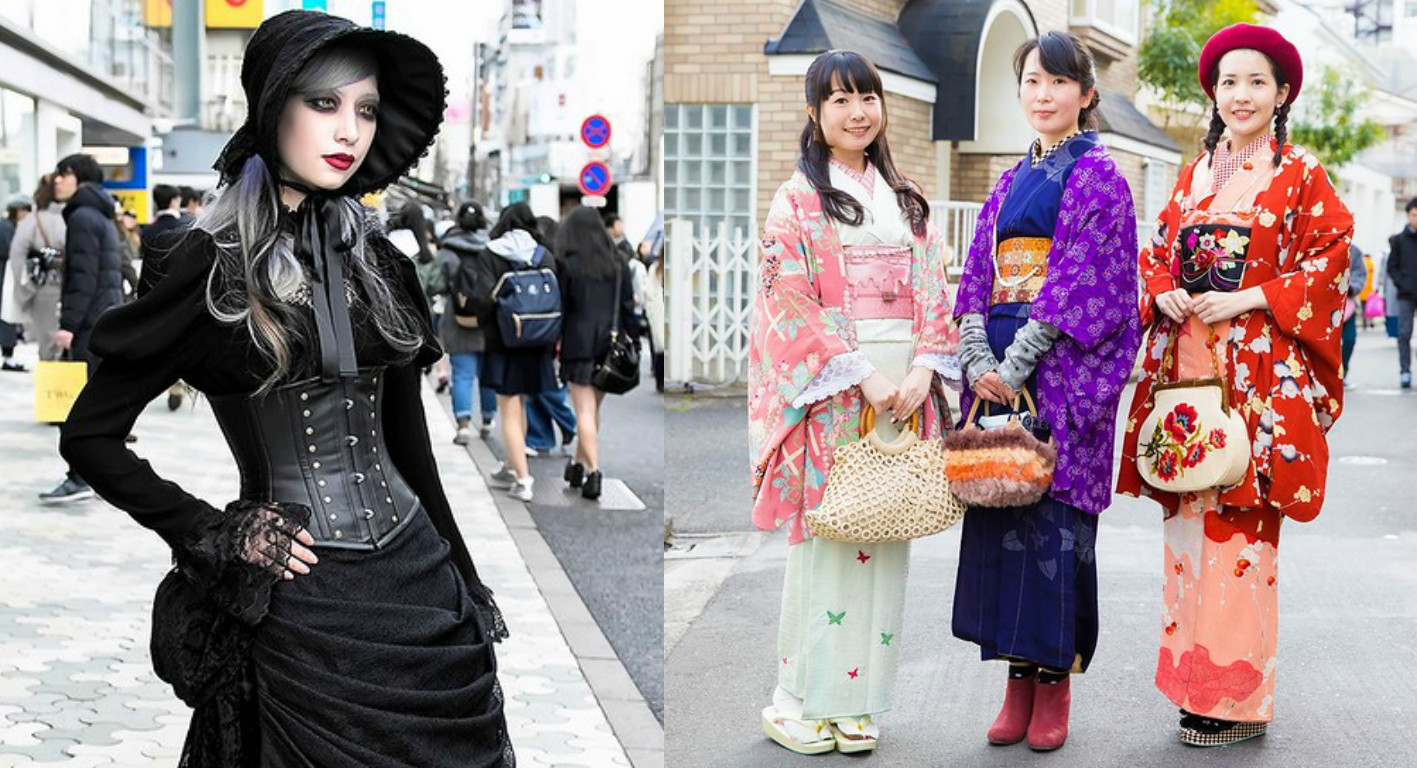
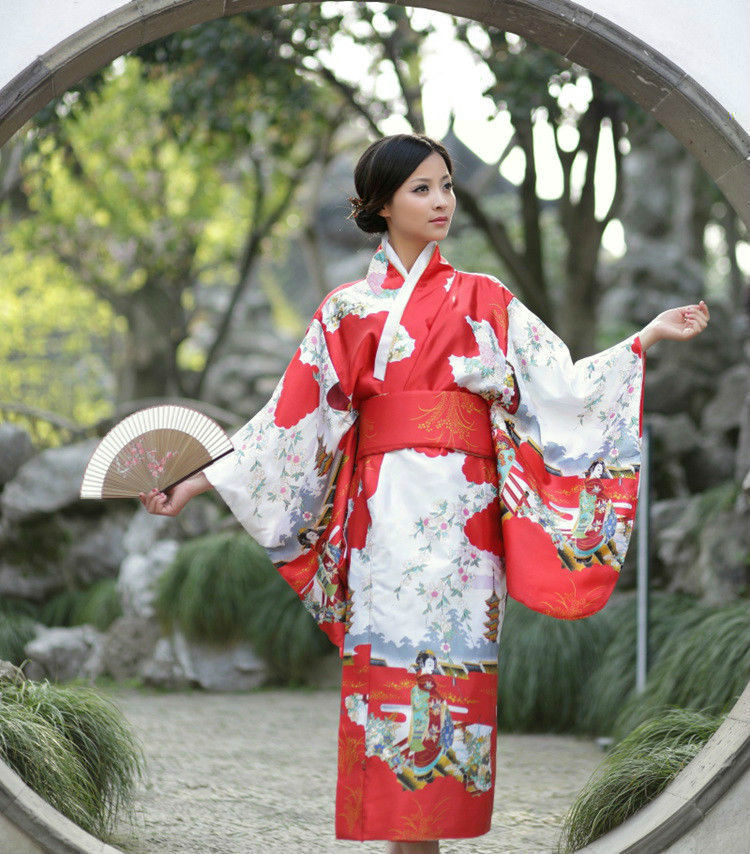
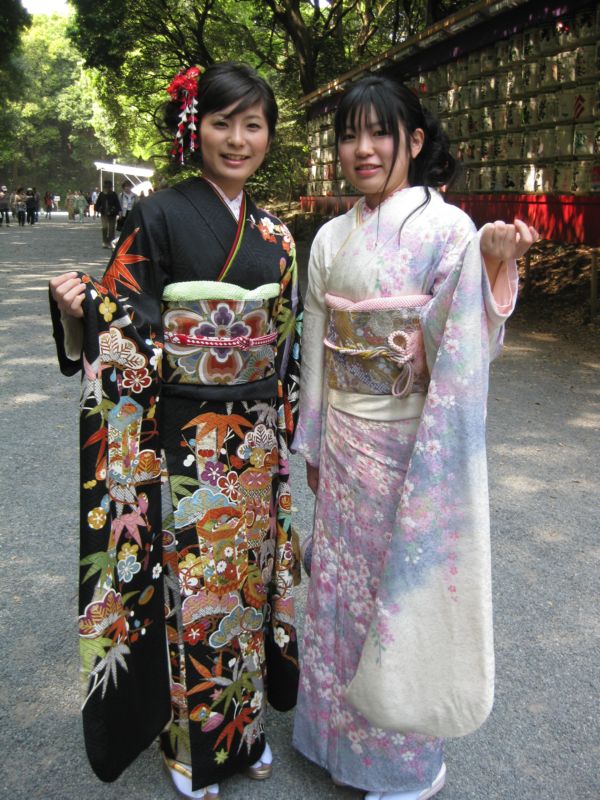
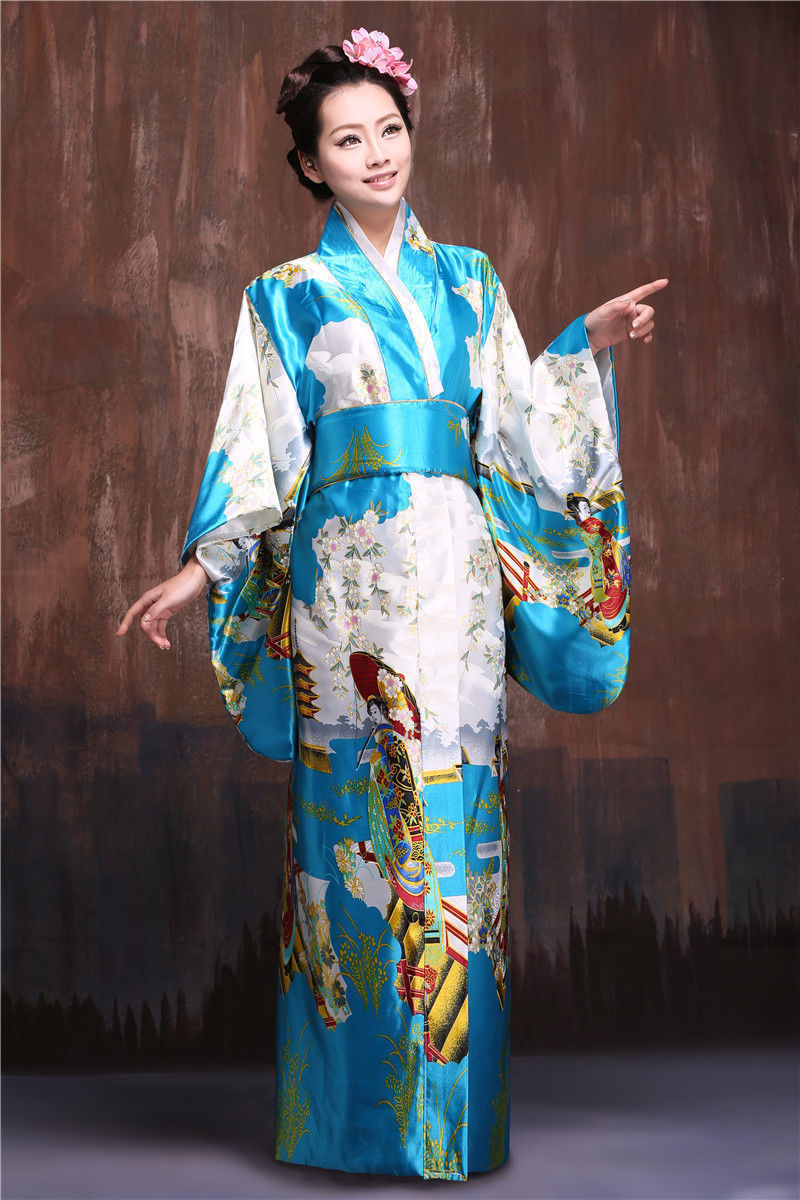
Ancient Japan established the kimono as a national costume, the name of which comes from the phrase “thing worn”. The attribute is distinguished by a simple cut. Previously, such clothes spoke about the status of a person - her age, position, rank, even mood. Kimono models for girls have many ornamentation options.
As for the feet, special silk socks and appropriate footwear were worn. Traditionally, there were several types of footwear:
- geta – national Japanese footwear in the form of wooden blocks;
- zori - they were distinguished by a soft sole, which was fastened to the foot with a leather strap.
The Japanese style in modern clothing has acquired the status of a real cult and is very different from the perception of a wardrobe by a European resident. Here, in some of the material, one sees an expression of one's versatile inner world. Colorful acid shades that violate traditional foundations can sometimes look excessively vulgar and heavy. Japanese fashion excludes any imitation or inheritance. Each image is a certain feature, a key detail and exceptional self-expression. As for color preferences, there are purely black tones or deep shades of green, pink, blue, burgundy.
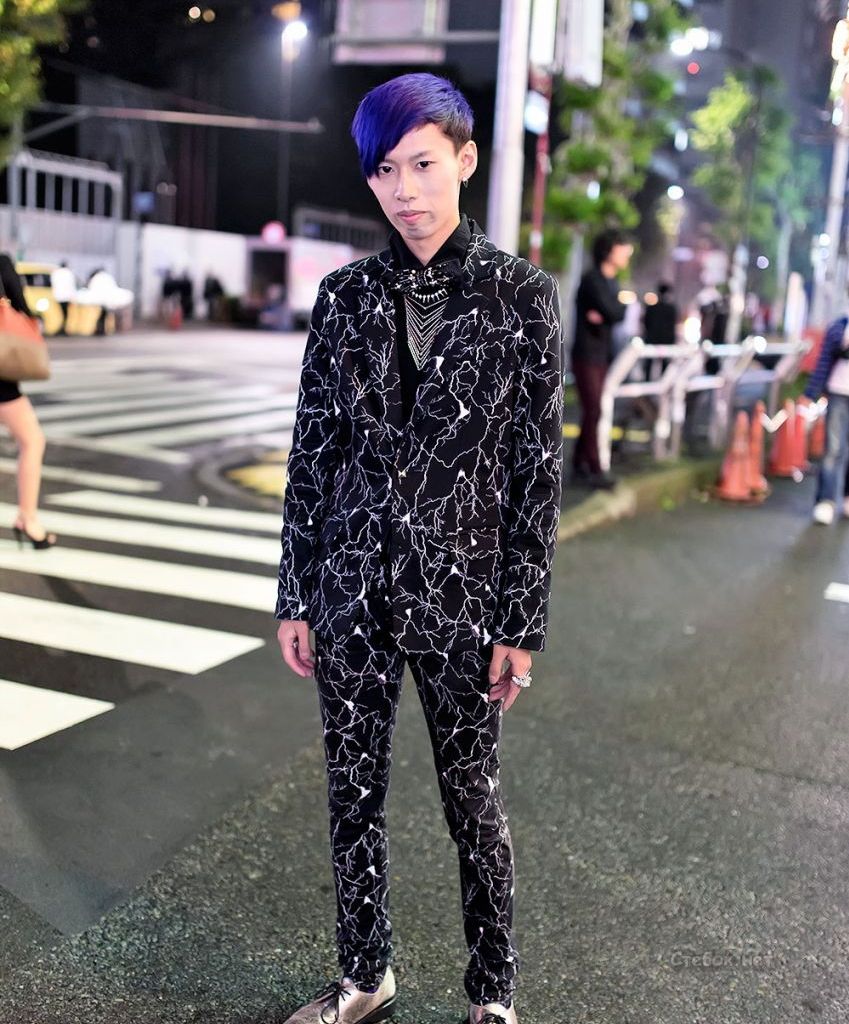
Japanese designers began to surprise their audience with innovations in clothing relatively recently - about a hundred years ago. Carried away by the European trend, the masters began to create new creative collections that rejected everything old. Famous Japanese designers made Japanese cut popular and world-famous. Such fashion designers as Yamamoto, Hanae Mori are known all over the world. They took European images as a basis, complementing them with oriental elements. Yamamoto became famous for his modeling of asymmetrical items in black and white shades. His asymmetrical cut of clothes literally became iconic.
In 2007, John Galliano showed the world his line of clothes in the style of Japanese origami. The art of paper folding influenced the designer and was embodied in his fantastic works.
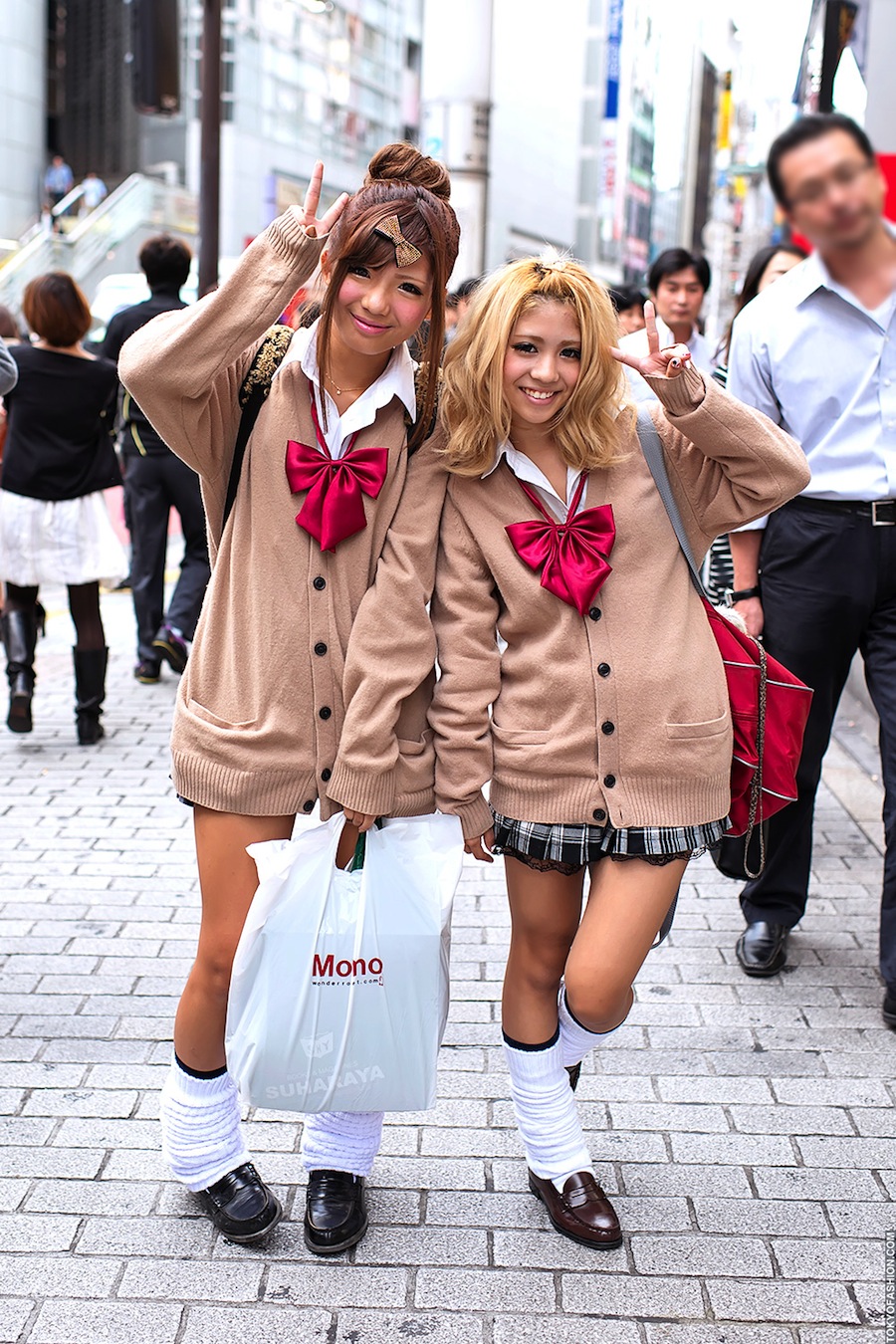
Modern clothes from Japan destroy the ideas about world fashion. They skillfully combine geometric shapes and shapelessness. Here you can find both bright saturated colors and black and white clothes. Japanese school fashion is worth mentioning separately. Since the 1920s, sailor motifs have been popular in the country. Today, Japanese uniforms have uniform standards. Japanese schoolchildren have been captivated by one of the main stylized trends in uniform - the kawaii subculture. Uniforms with a jacket are also in high demand among the school audience. Eton jackets and boleros are especially popular. Schoolgirls like to wear sundresses and overalls-skirts with suspenders. The uniform in state institutions is simpler than in private ones.
Until the seventh grade, boys must wear shorts to school, regardless of the weather. After the seventh grade, they wear trousers and a gakuran jacket. This is a uniform in black, brown or dark blue. The choice of shirts to wear with jackets is also limited - only white is allowed.
Modern street fashion
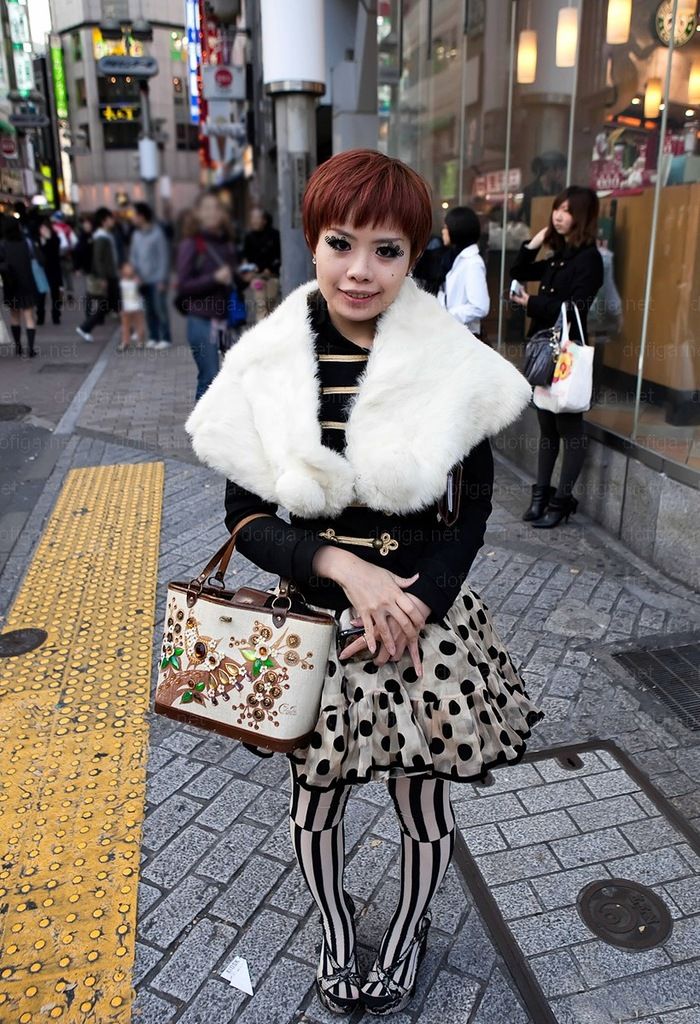
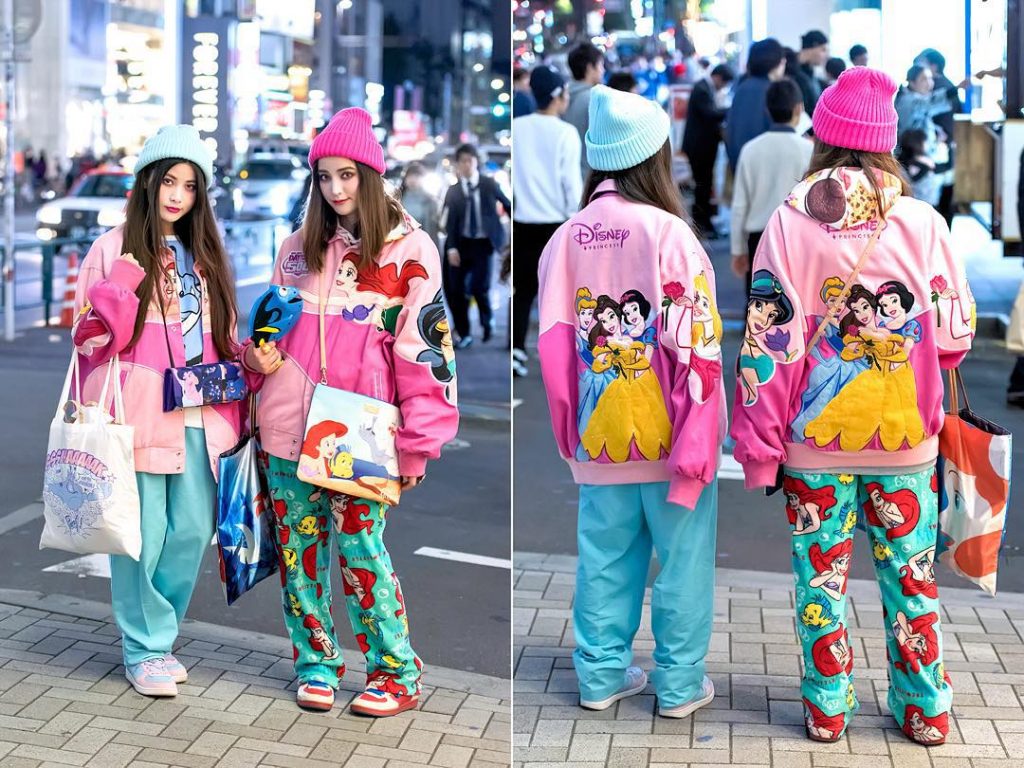
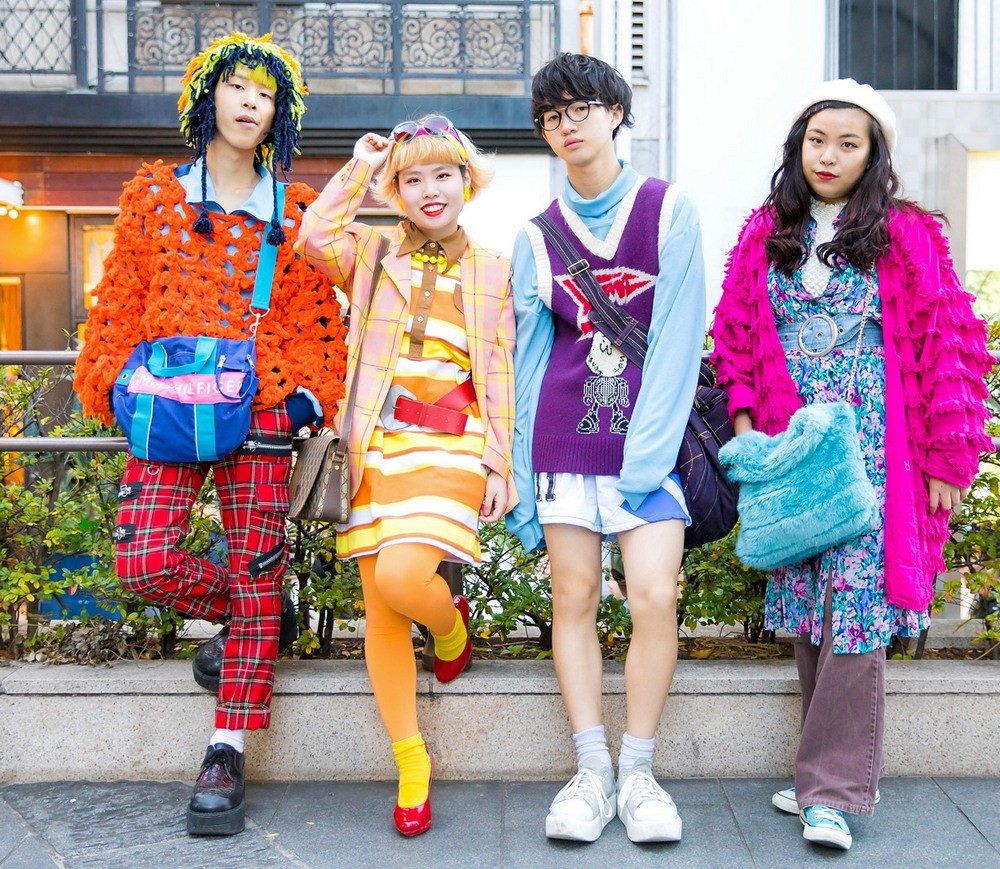
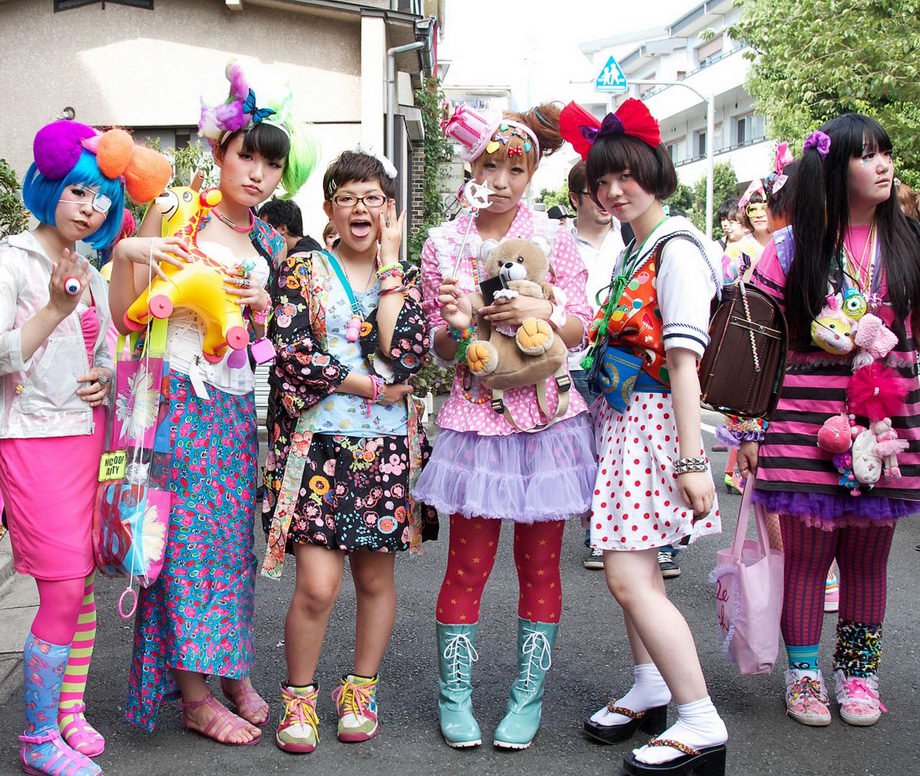
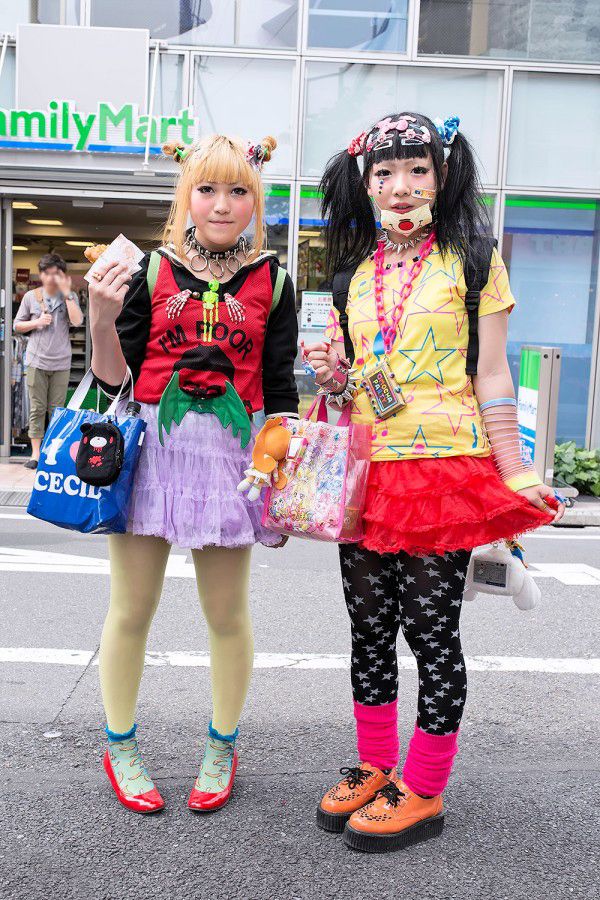
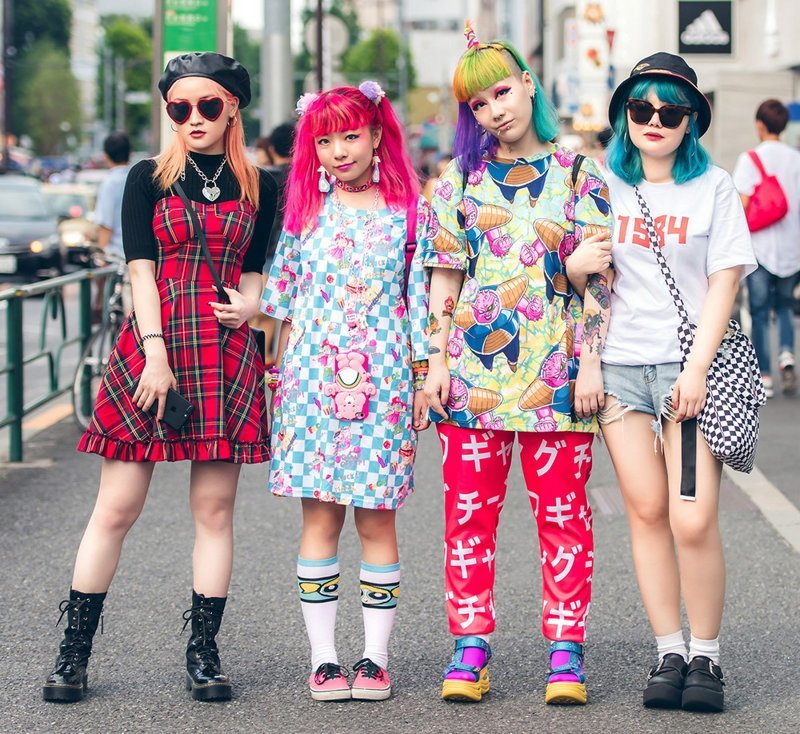
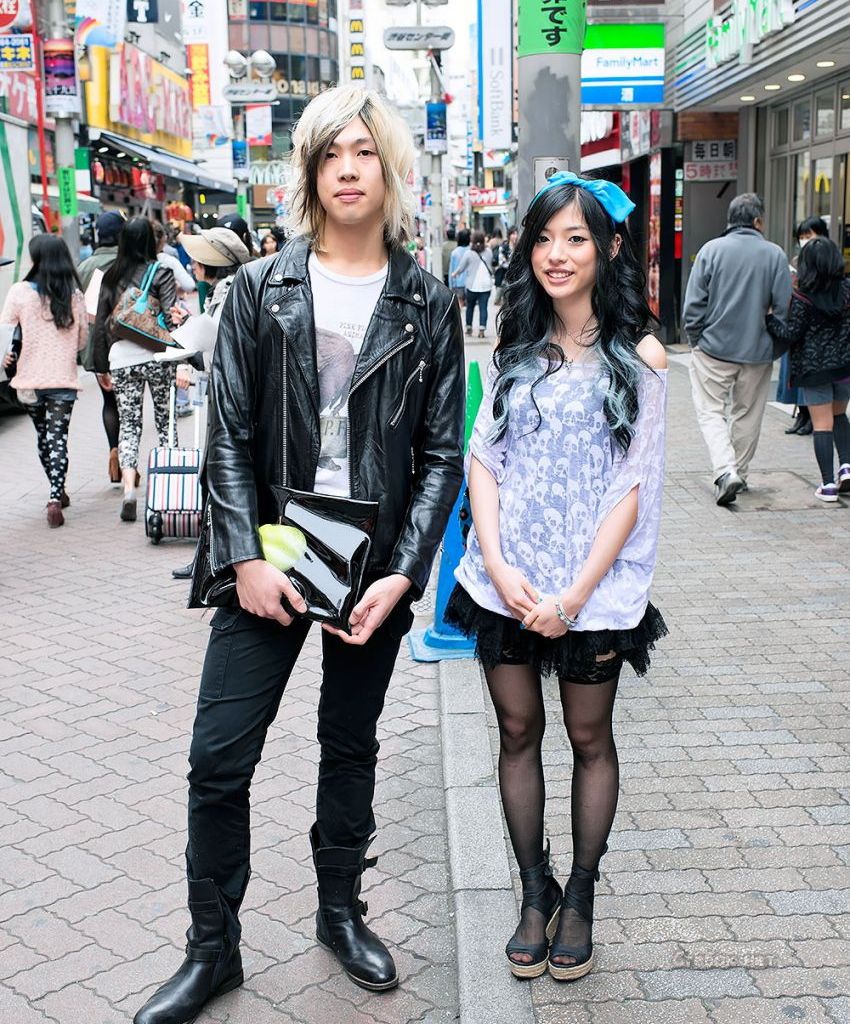
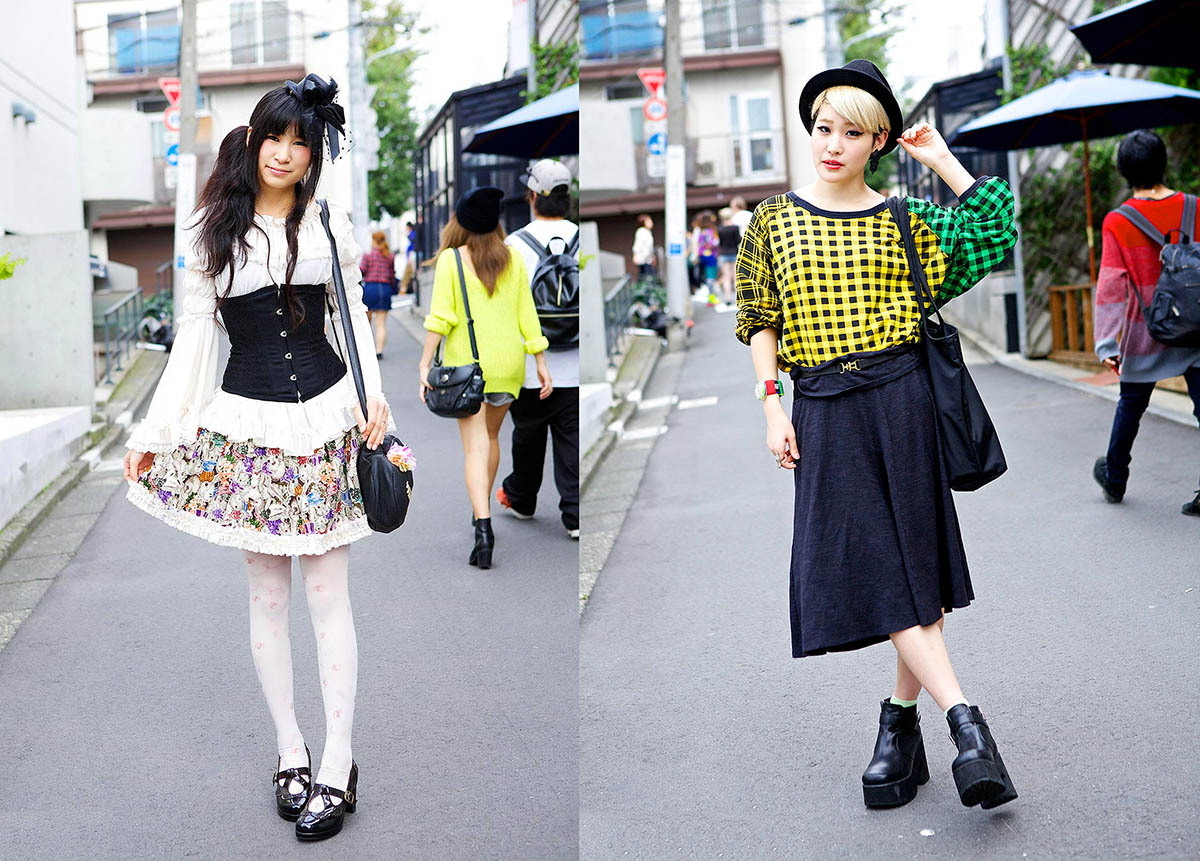
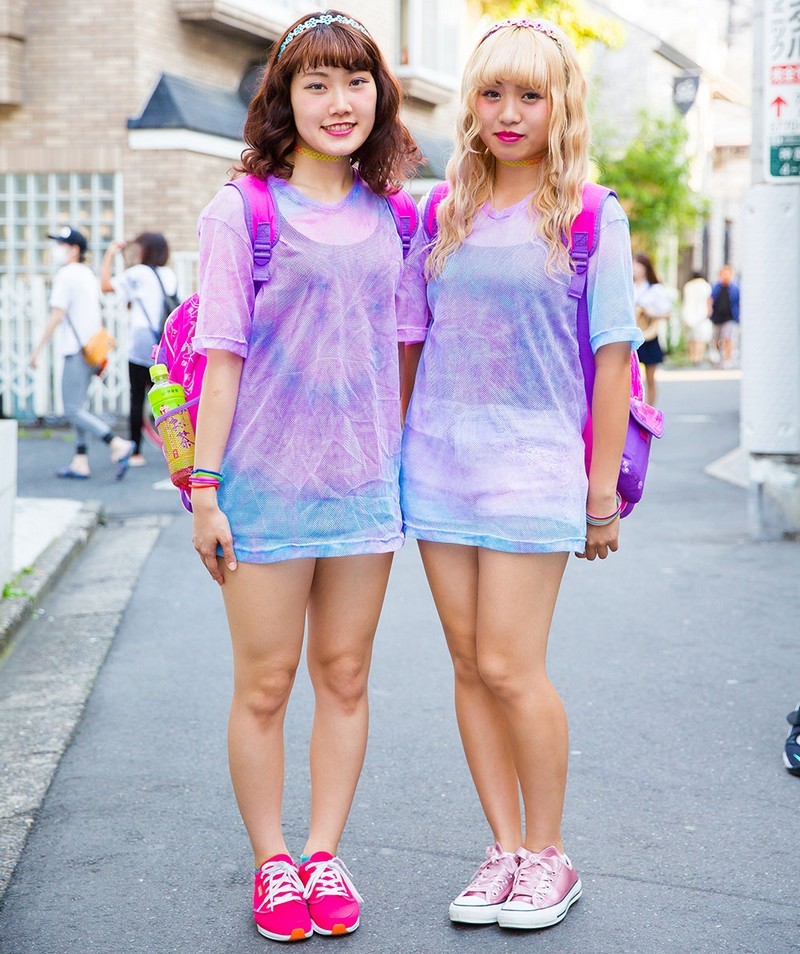
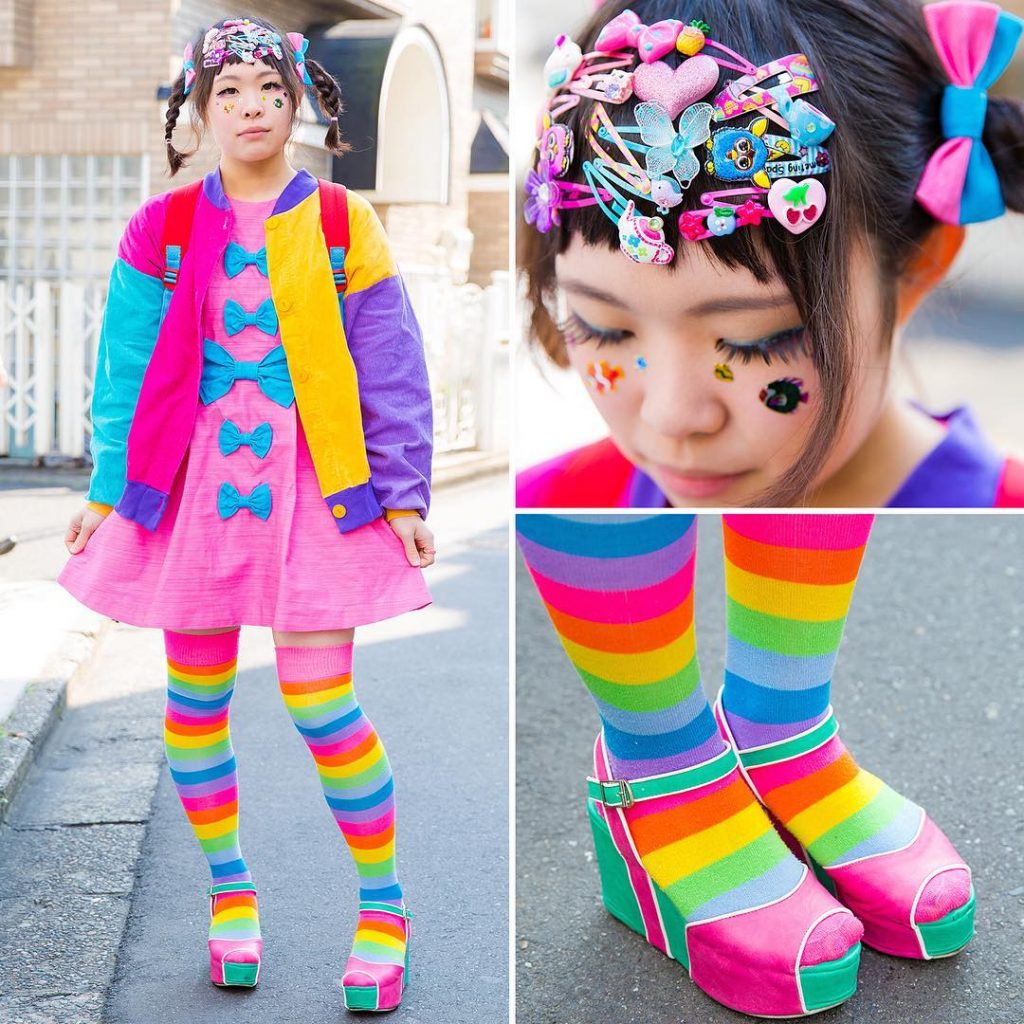
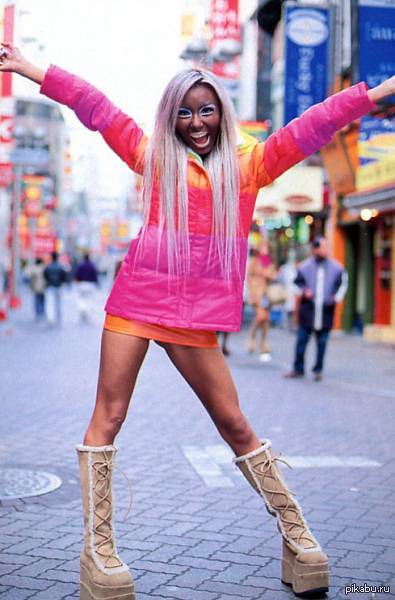
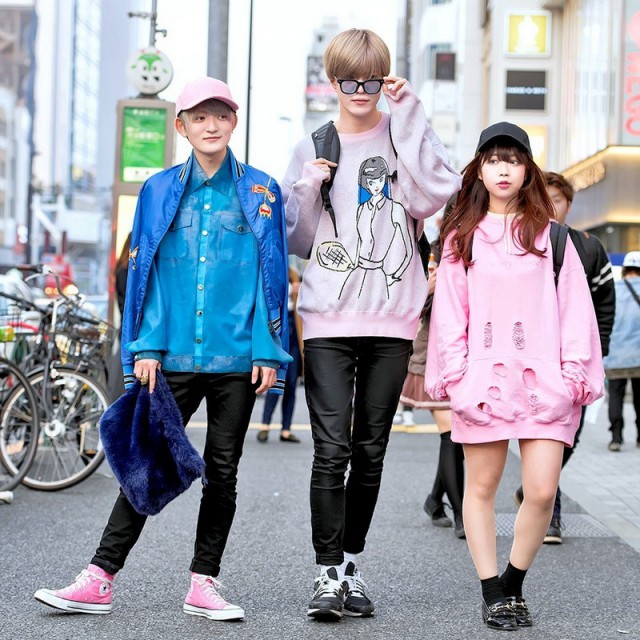
Japanese street style is a popular trend in modern Japan, which is inherited by young girls and boys all over the world. The term Japanese style combines several trends at once. They are all similar and related to each other, but have a number of differences. An uninitiated person will not immediately notice the difference:
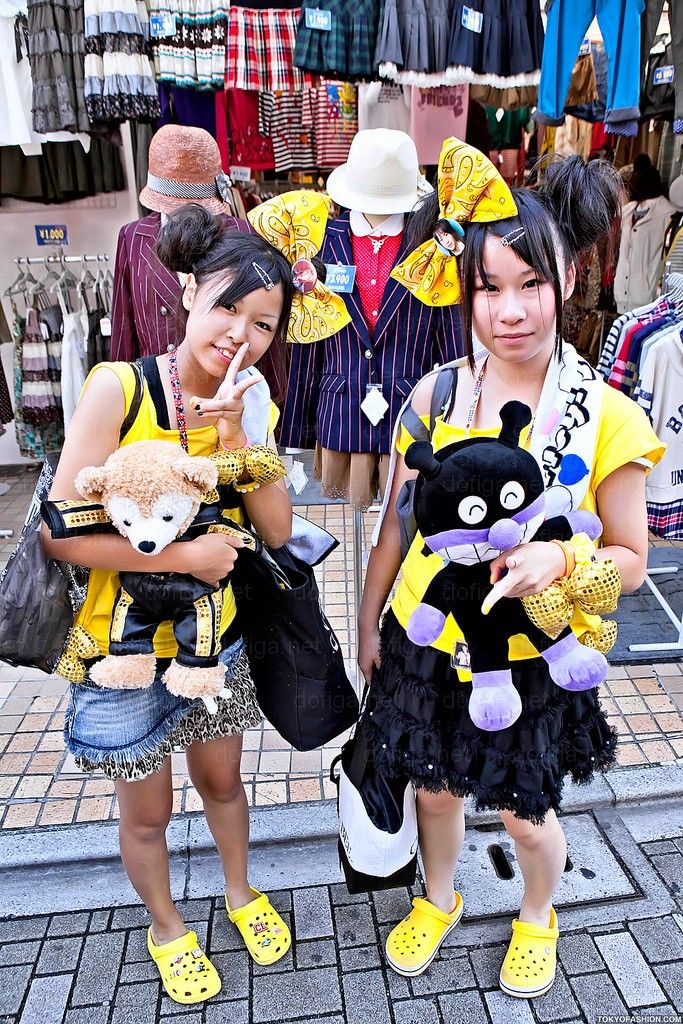
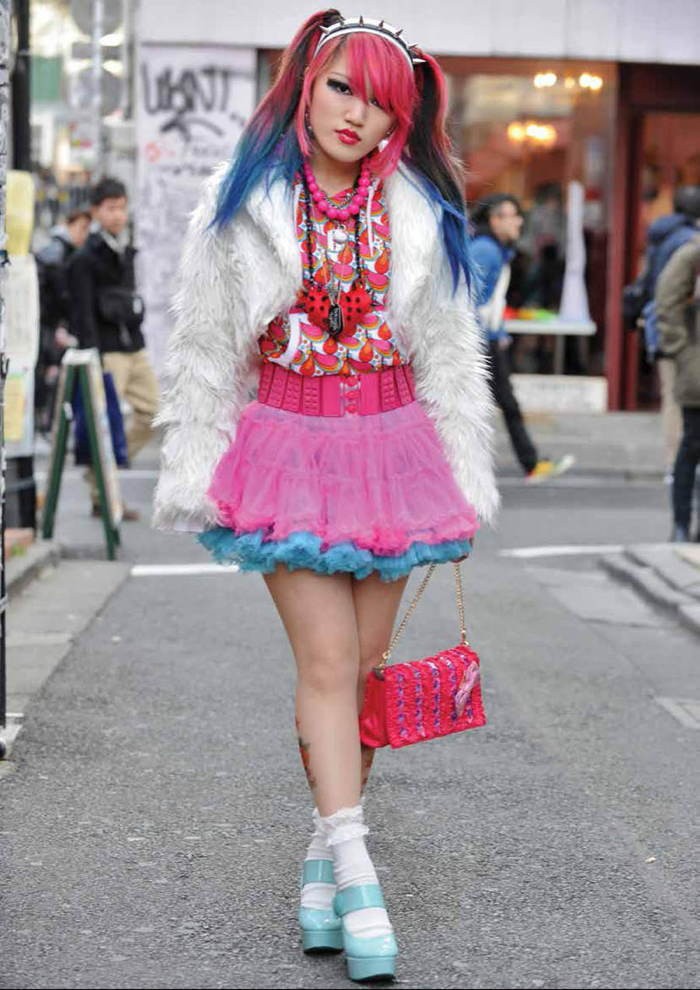
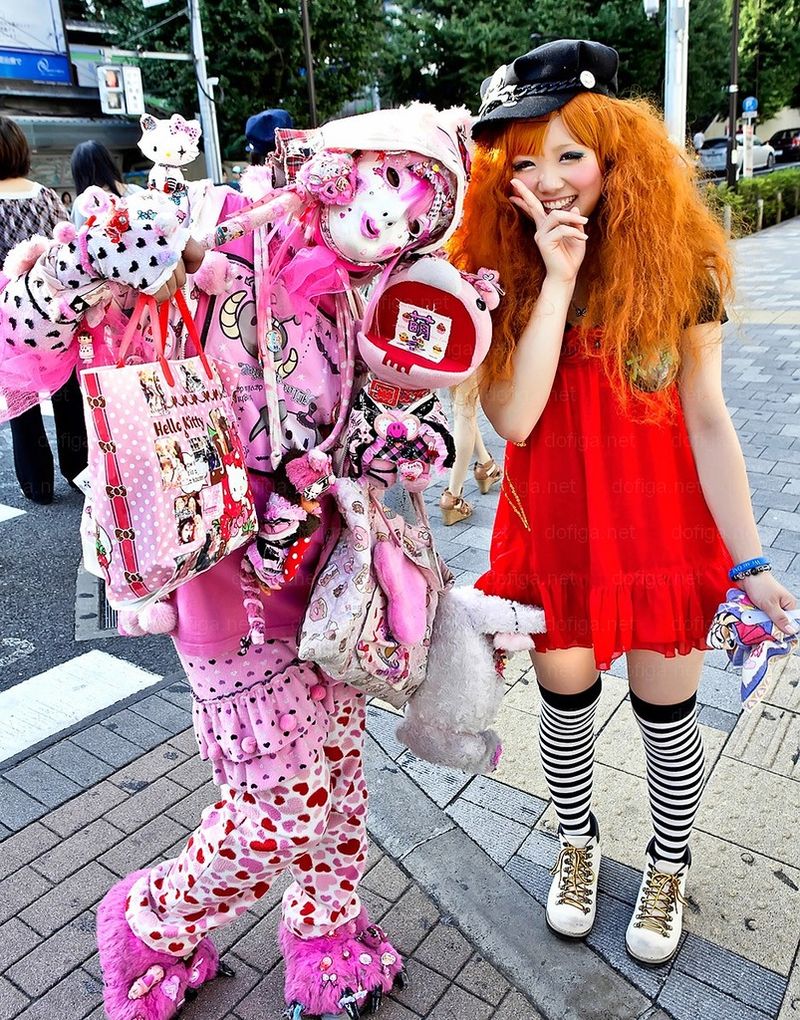
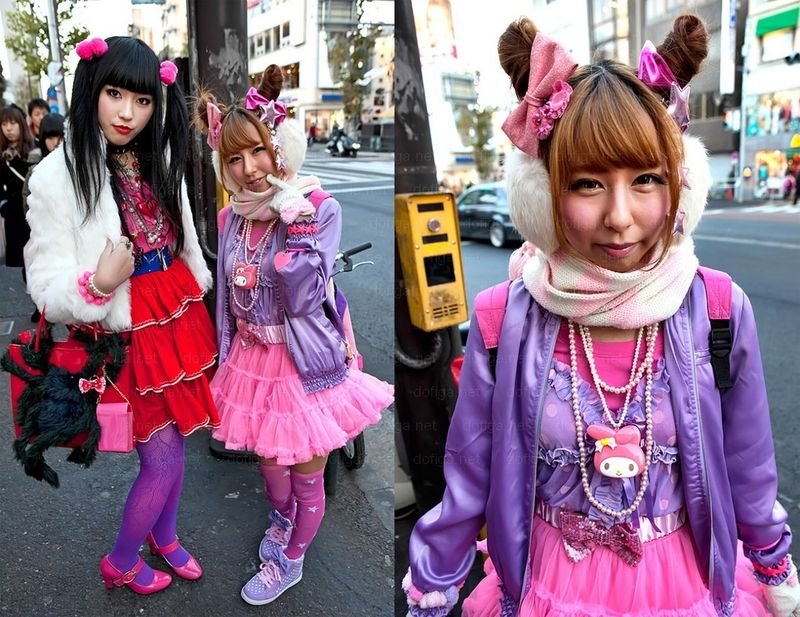
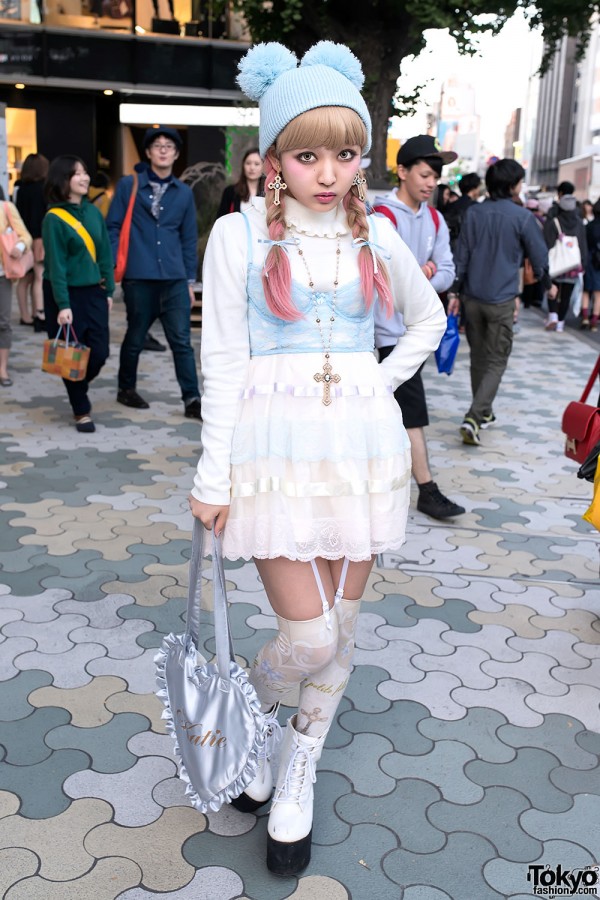
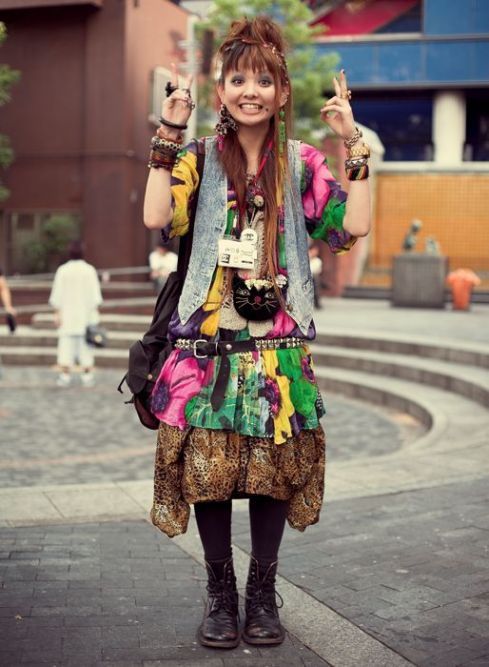
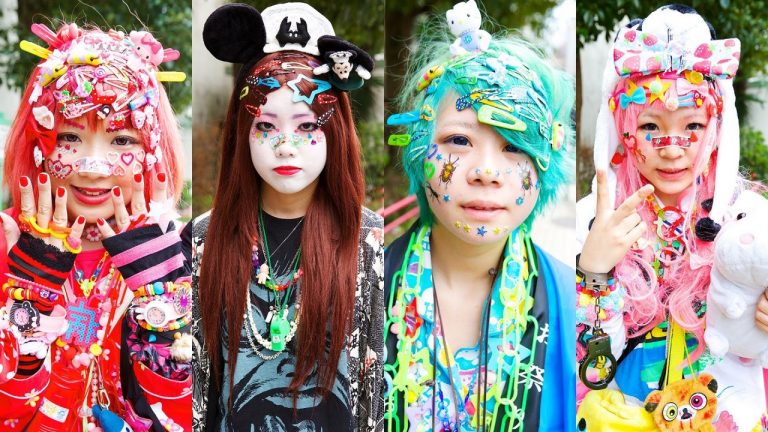
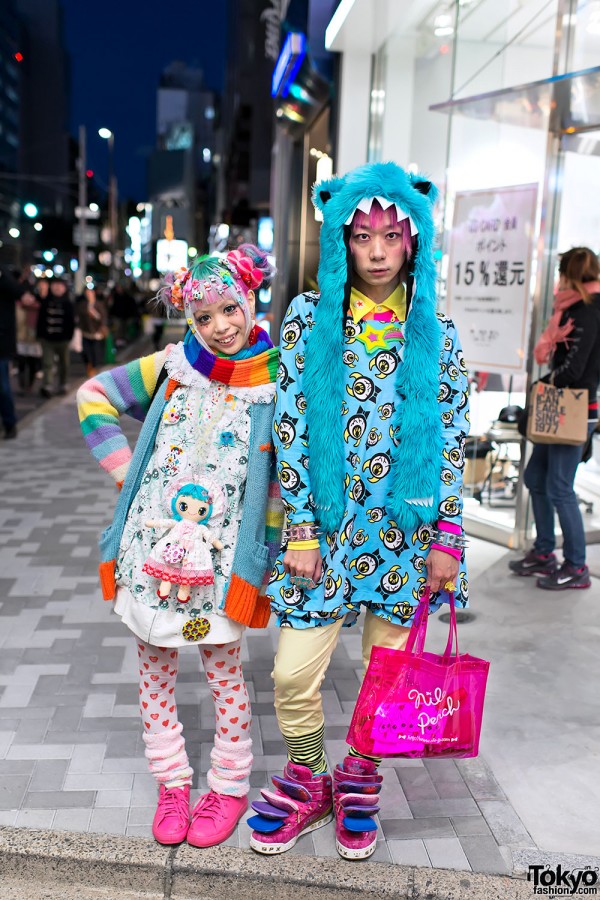
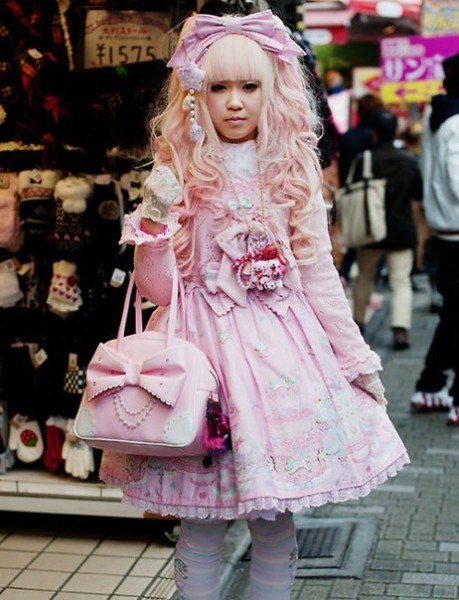
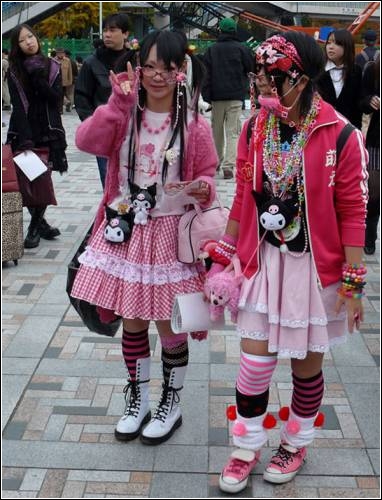
- Harajuku – the Harajuku style is considered one of the craziest, it originated in the Tokyo district of the same name. Life has always been raging in this area. The trend includes a combination of national style, modern fashion elements. It is characterized by many bright accessories, decorative elements;
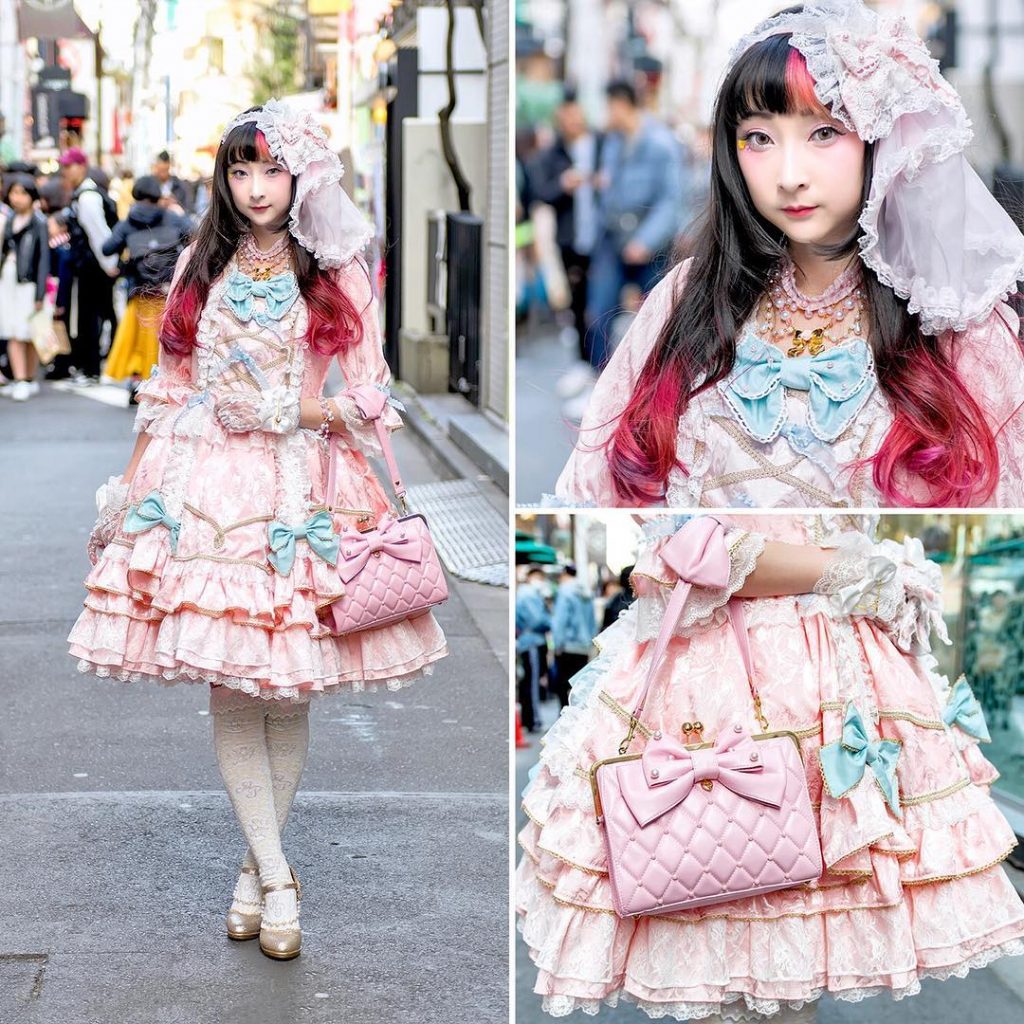
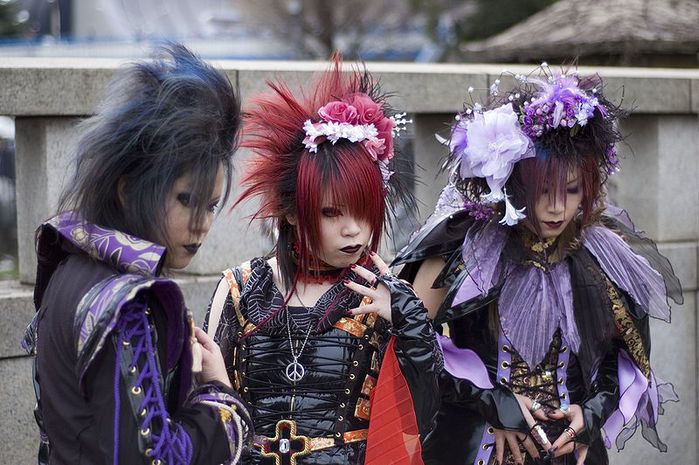
- Lolita is the most widespread style, which has gained wide popularity in the West. It contains a certain cult of infantilism with an emphasis on Gothic. Here you can find corsets, frills, lace, petticoats, ribbons. The “Lolita” direction is intended to emphasize the doll-like, childish image;
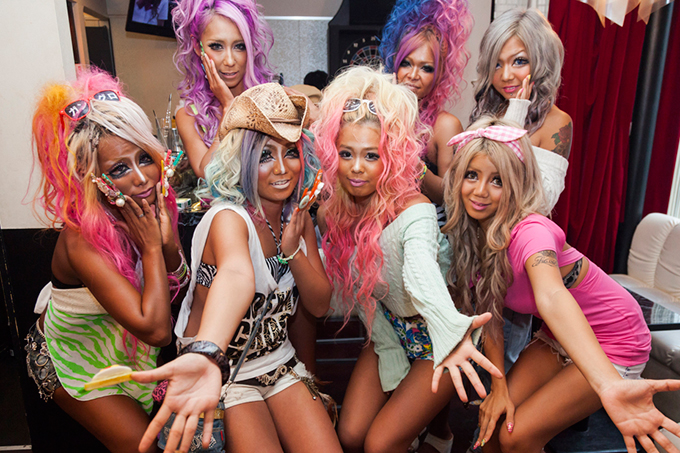
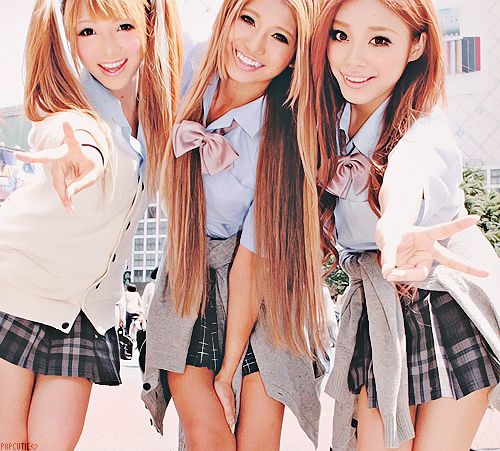
- Ganguro – the style is distinguished by bleached hair, unusual dark tan and contrasting eye makeup in black and white tones. This style includes long eyelash extensions, bright accessories. Miniskirts, high heels – all together make Japanese girls look like living dolls;
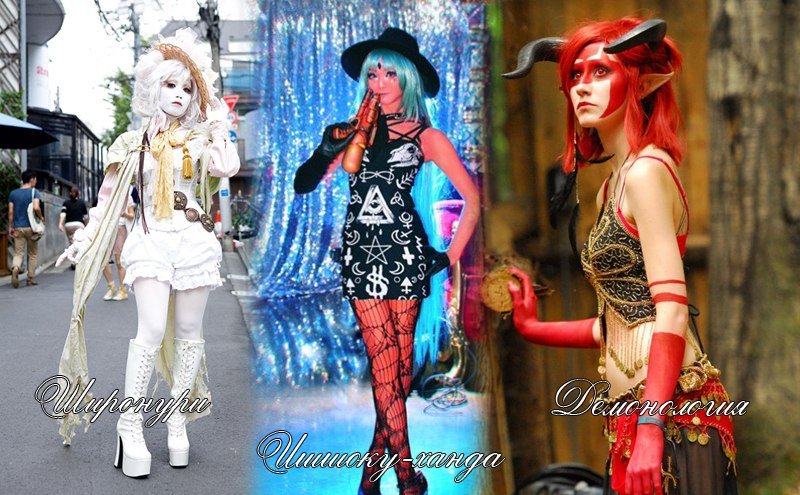
- Cosplay is a role-playing outfit that imitates favorite animated and computer characters;
- Decora – decorating the image with numerous elements. Girls wear a lot of metal jewelry, pendants, bracelets, rings, chains. Here the style is complemented by sound attributes – bells, jingles;
- Ko Gal - Teenagers love to wear school uniforms. They also dye their hair light and apply fake tan to their bodies;
- Kawaii is a kind of touching infantile style. Its adherents prefer animal costumes or cartoon toys. The prevailing colors are blue, white, pink and beige;
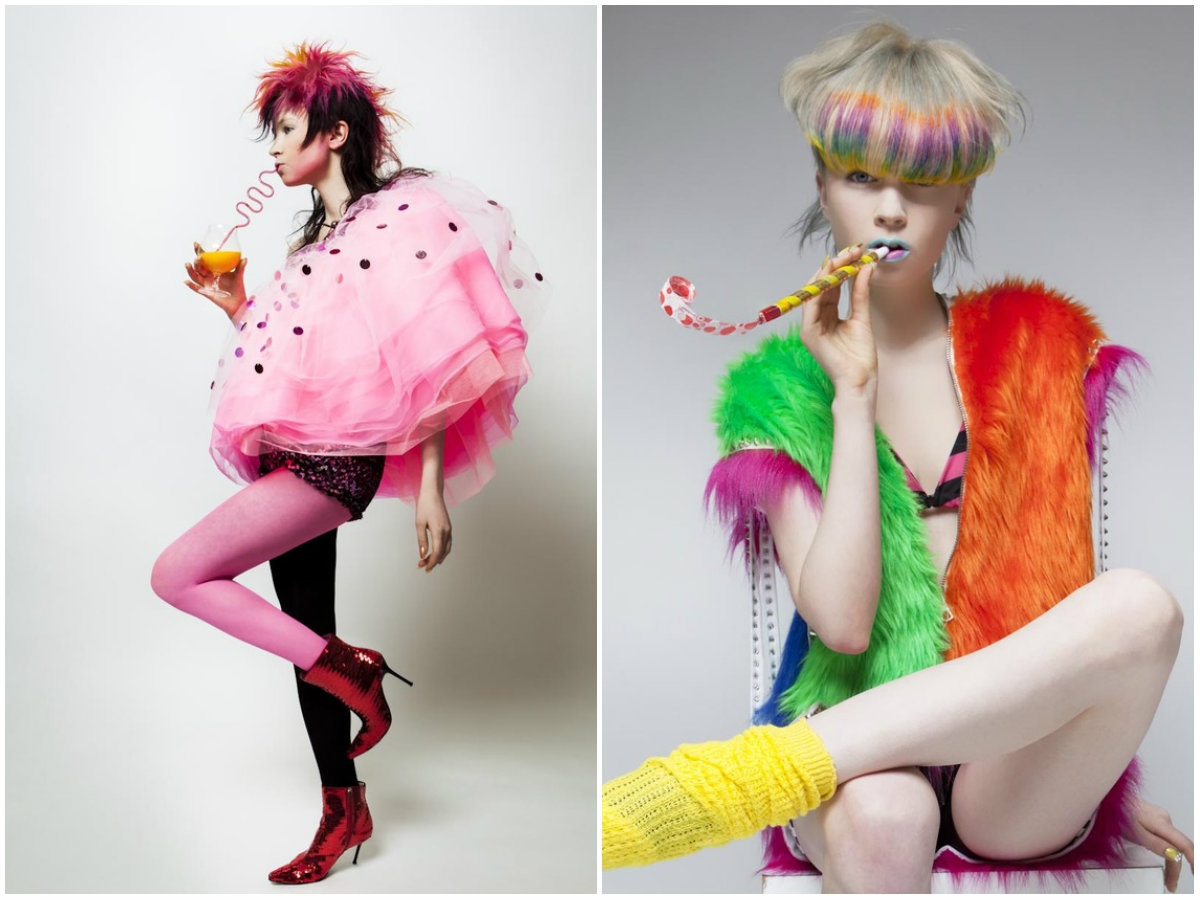
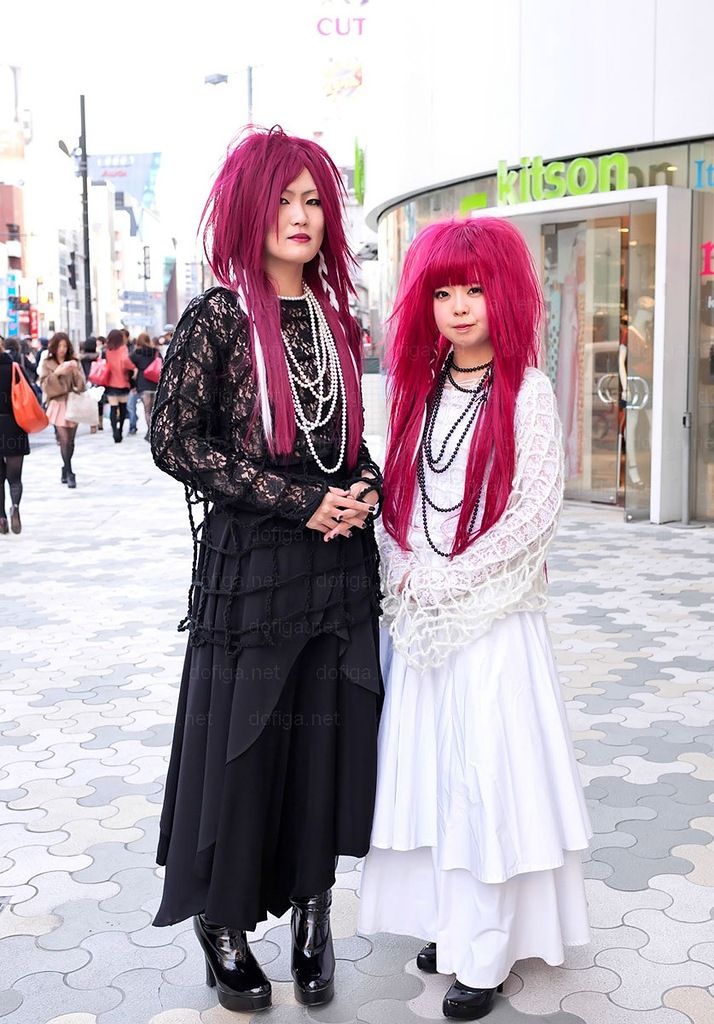
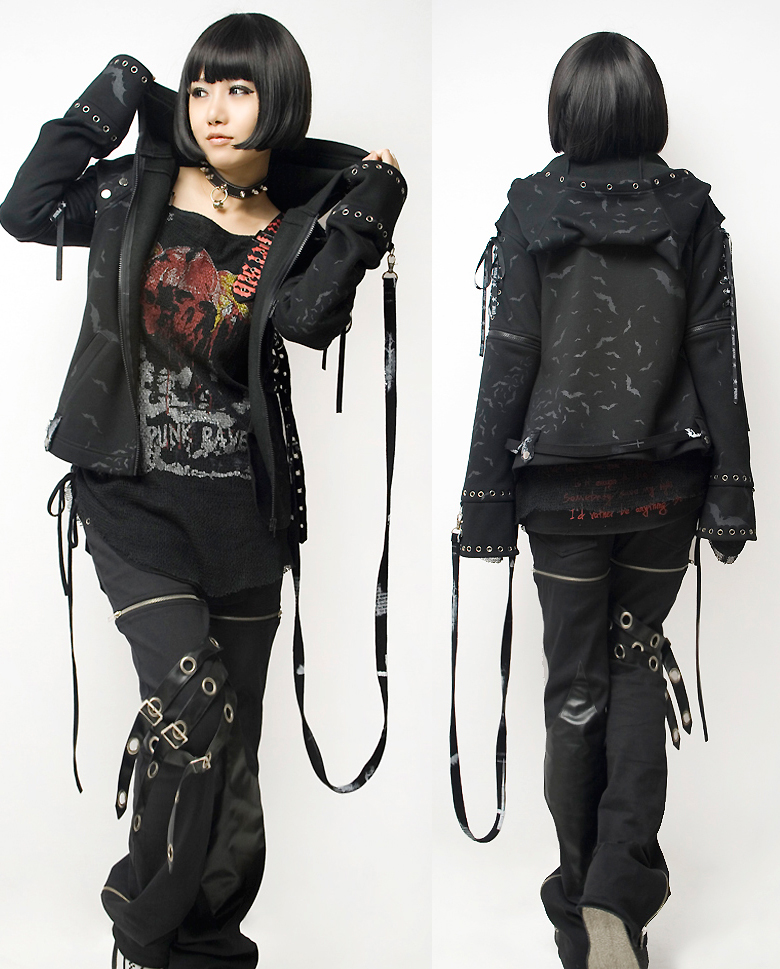
- Visual Key – inspired by the youth subculture that is crazy about the genre of Japanese punk and glam rock. Girls prefer clothes of incompatible shades, high-heeled shoes or platforms, and dyeing their hair in bright colors.
The fashionable variability of modern Japanese designers distinguishes their collections with a standard set of items interspersed with national motifs and loose-fitting elements:
- The outer garments are distinguished by their straight lines, free cut, which slightly hug the silhouette. The female figure and its features are carefully hidden in the clothes;
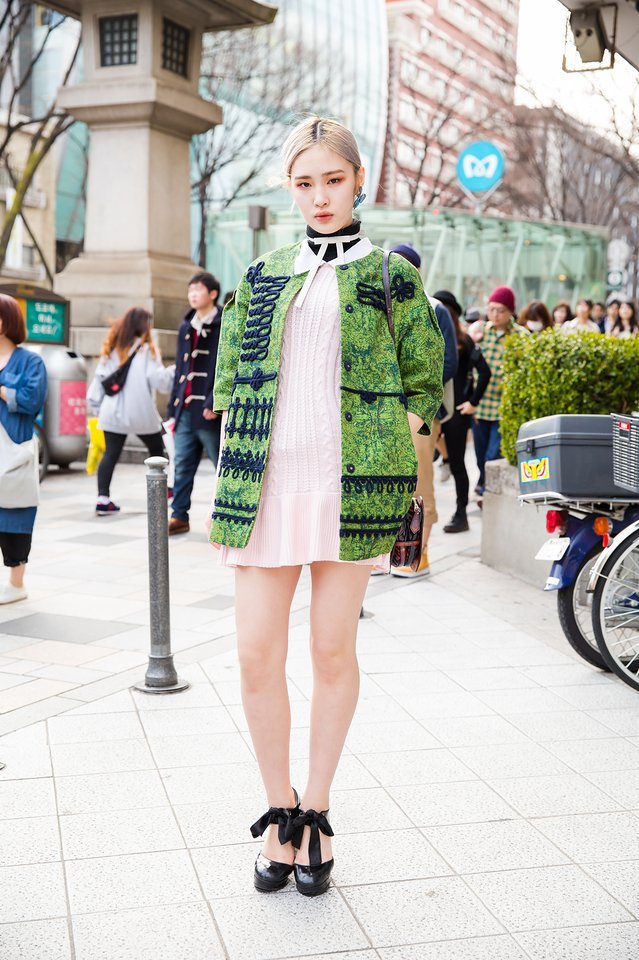
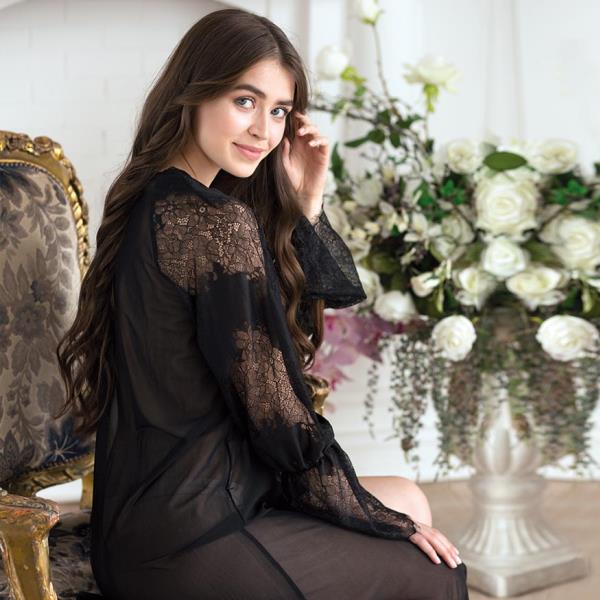
- products made of thin translucent materials, which are complemented by huge bows;
- the use of lush gathers and turn-ups to imitate a kimono;
- the presence of pointed elements, smooth transitions, bright shiny inserts, decoration with tassels.
Japanese teenagers love high waists, layered outfits, and shapelessness. The reason for this was the opinion that in oversized clothes a small Japanese woman looks very touching and especially fragile. Modern variations of kimono with robes silhouettes remain relevant. Sportswear of various designs is also in fashion. Japanese designers are actively working in this direction.
National costume
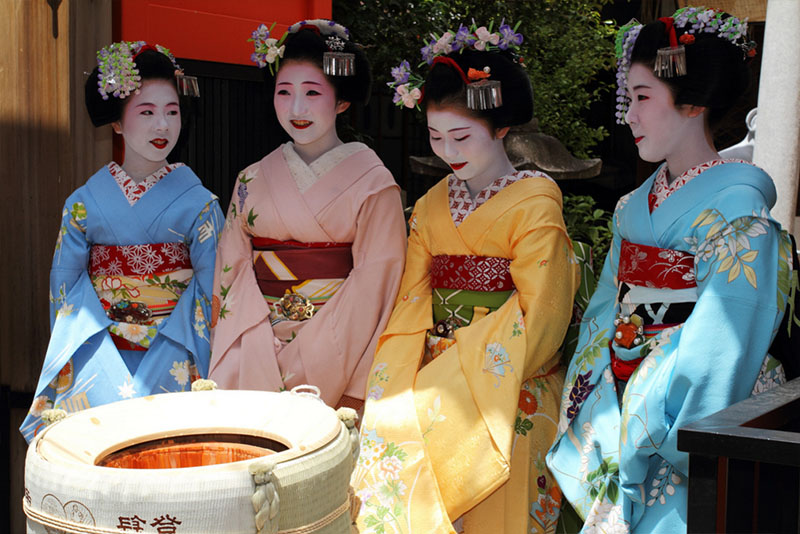
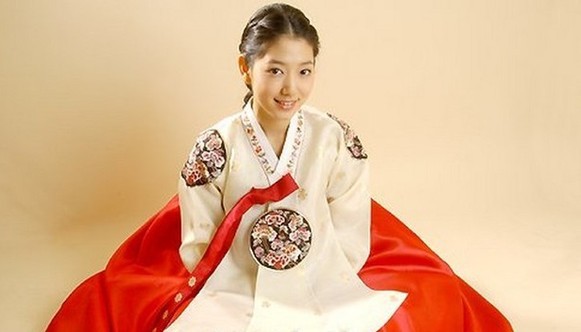
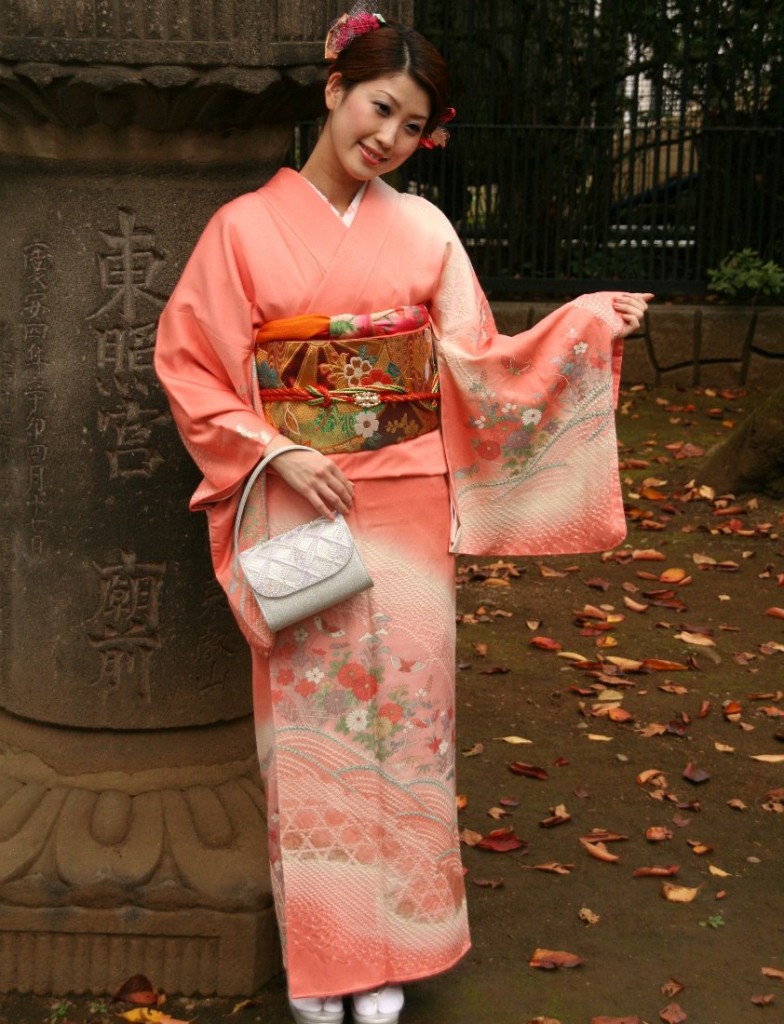
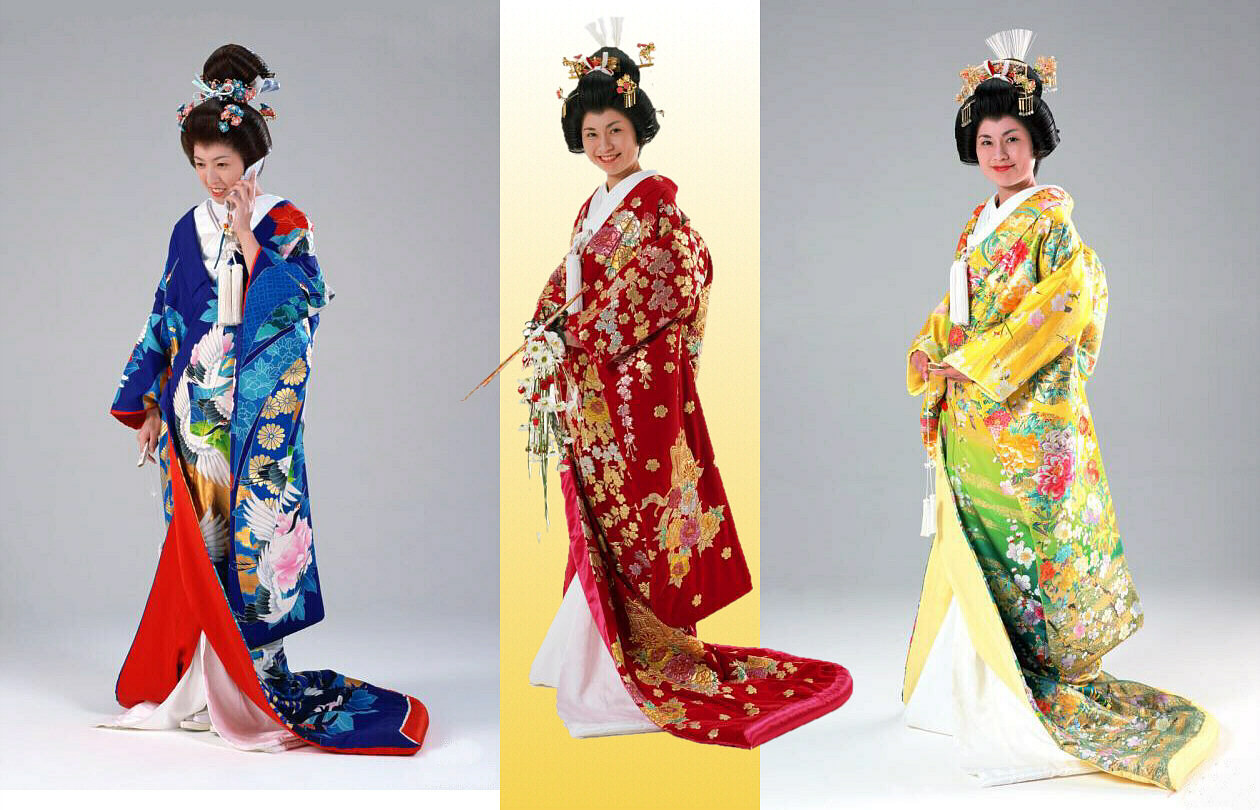
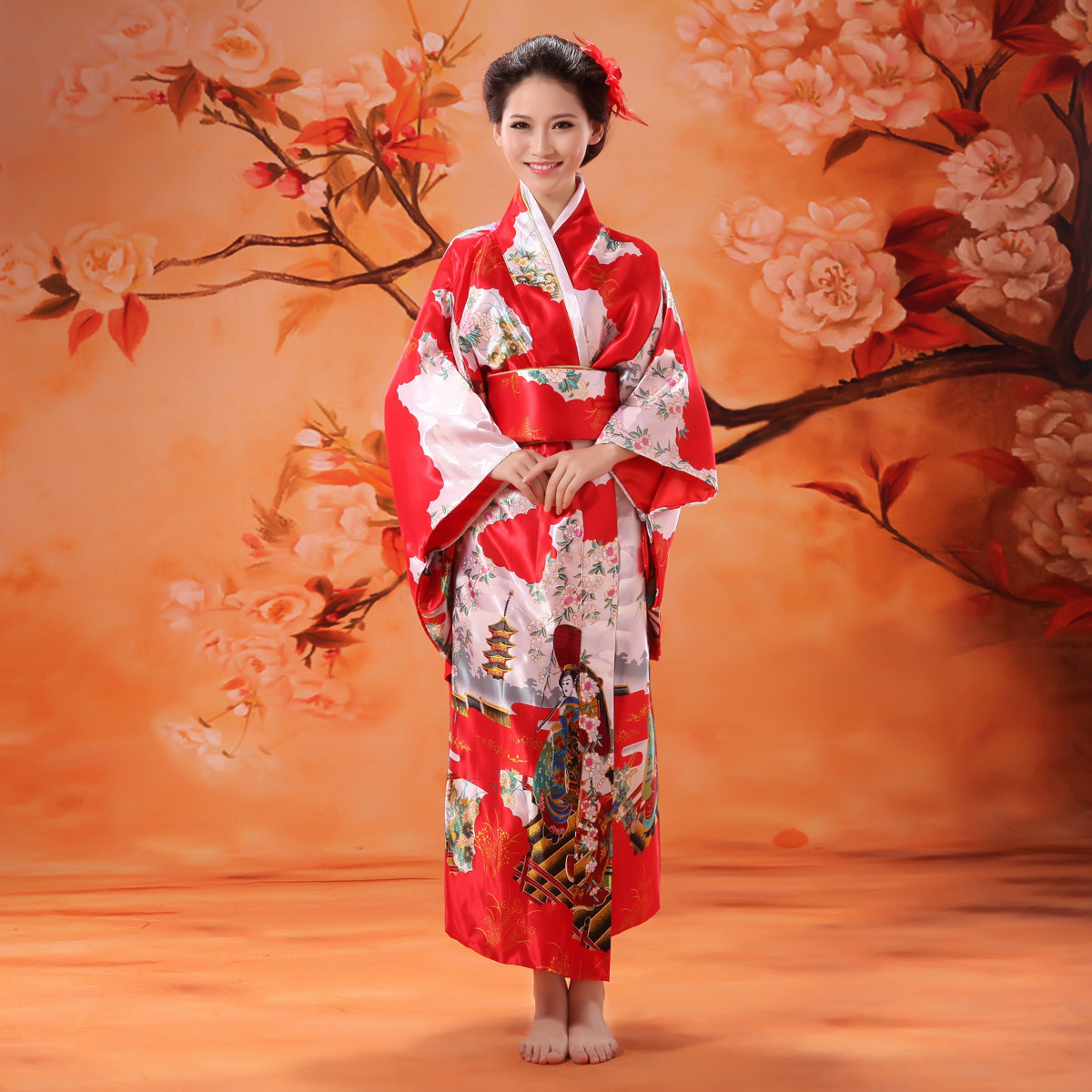
Kimono is the most common traditional clothing. It is a kind of elongated robe. The garment is tied at the waist with a special obi belt and has elongated sleeves. Kimono excludes the presence of any numerous details or ties. Kimono for women differs from men's in that it includes twelve elements and it is extremely difficult to put it on without someone's participation. The garment for men is simpler, includes five parts, has a shortened sleeve. Kimono is usually tucked from left to right.
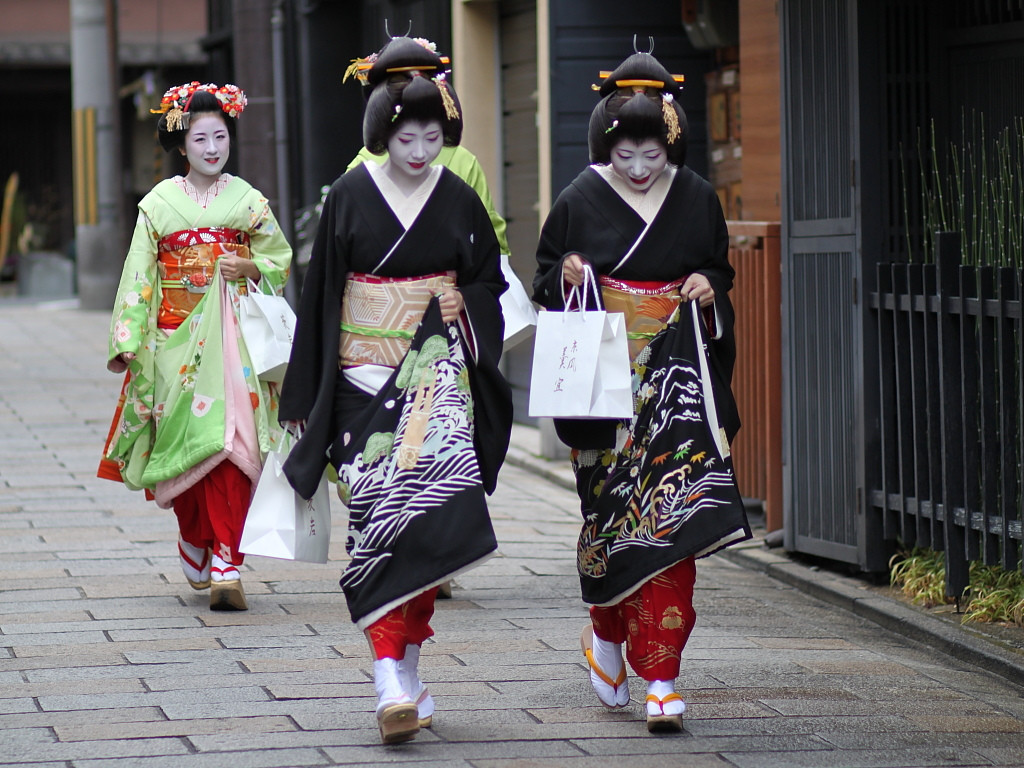
Obi is a kind of belt that allows you to tighten your kimono. The male model is narrower and shorter than the female one. The obi that geishas used was up to a meter wide, wound around the waist in several layers, and tightened at the lower back in the form of a bow. If the bow is located in the front, this indicates that the lady is married.
Yukata is a type of national Japanese clothing. It is a lighter version of the kimono made of cotton or linen. The clothing is made without lining and is more common in the summer. It is also a common household attribute. Yukata is used after taking a bath. There are both women's and men's models of such clothing.
Keikogi is a traditional costume that includes a shirt and wide pants. This type of clothing is mainly used in martial arts. You can often hear this combination of clothing called a kimono, which is incorrect.
Tabi are traditional socks, the Japanese patterns of which separate the big toe from the rest. This position of the toes is necessary for wearing traditional Japanese sandals - geta. These are special shoes with a raised sole, attached with laces or straps that go from the heel to the slit in the toe. Such a strap separates the big and middle toes.
Hakama was the name of the fabric that was used to wrap around the hips in ancient Japan. Later, the idea was transformed into loose pants with many folds that could only be worn by samurai and priests. Red hakama pants were also common among ladies of aristocratic status.
Japanese clothing style united strange silhouettes with asymmetrical cuts along with comfort – this is the starting point for all modern Japanese designers. Popular Japanese clothing brands and labels – Anrealage, Toga, Uniqlo, Y-3.
Video
https://youtu.be/ero5Nviyips
Photo