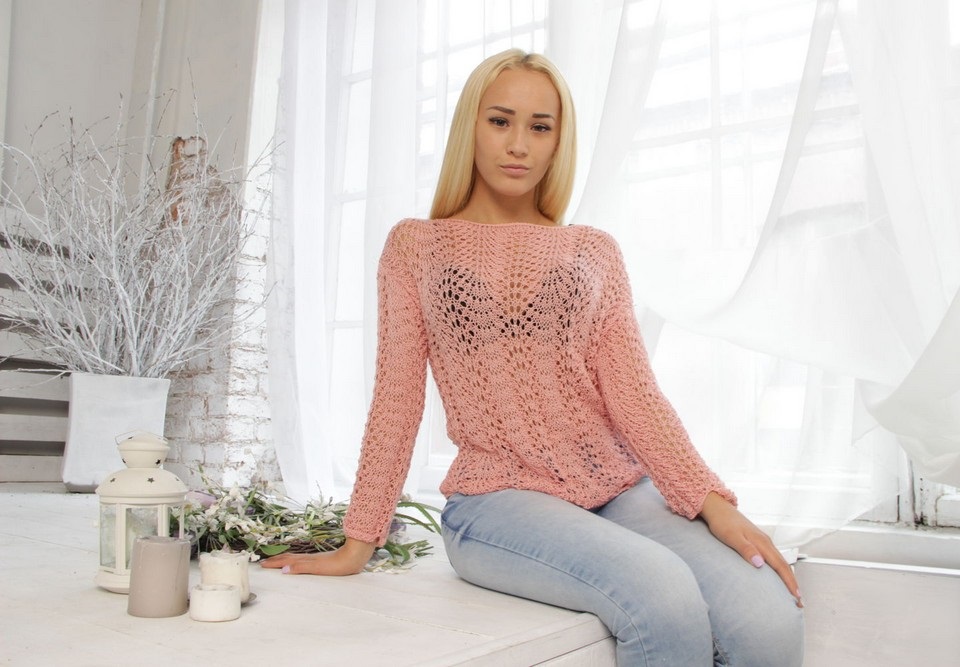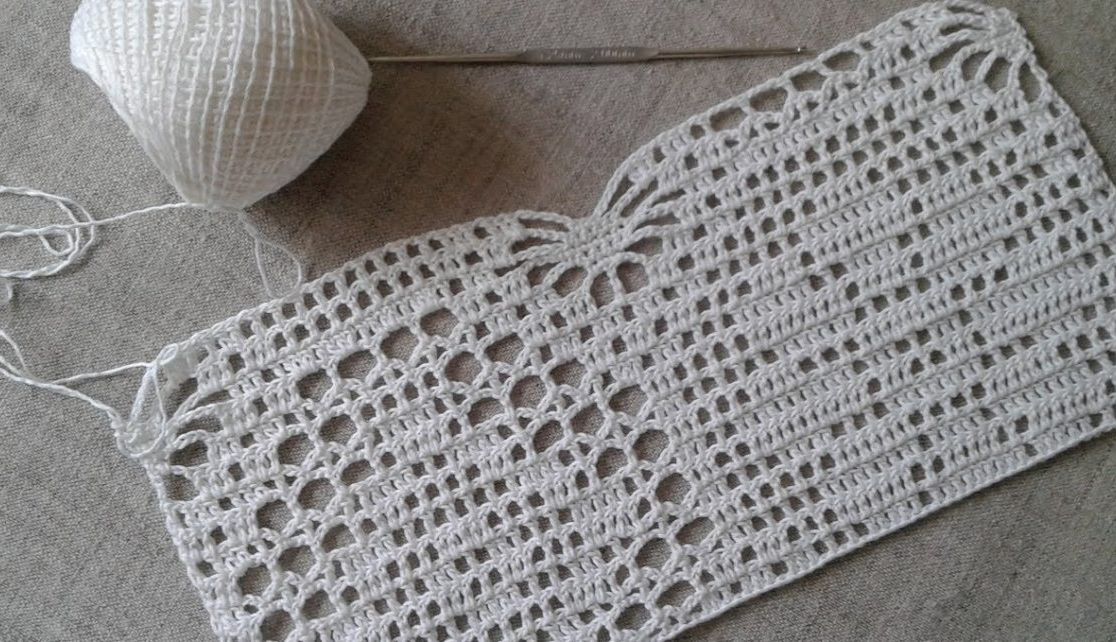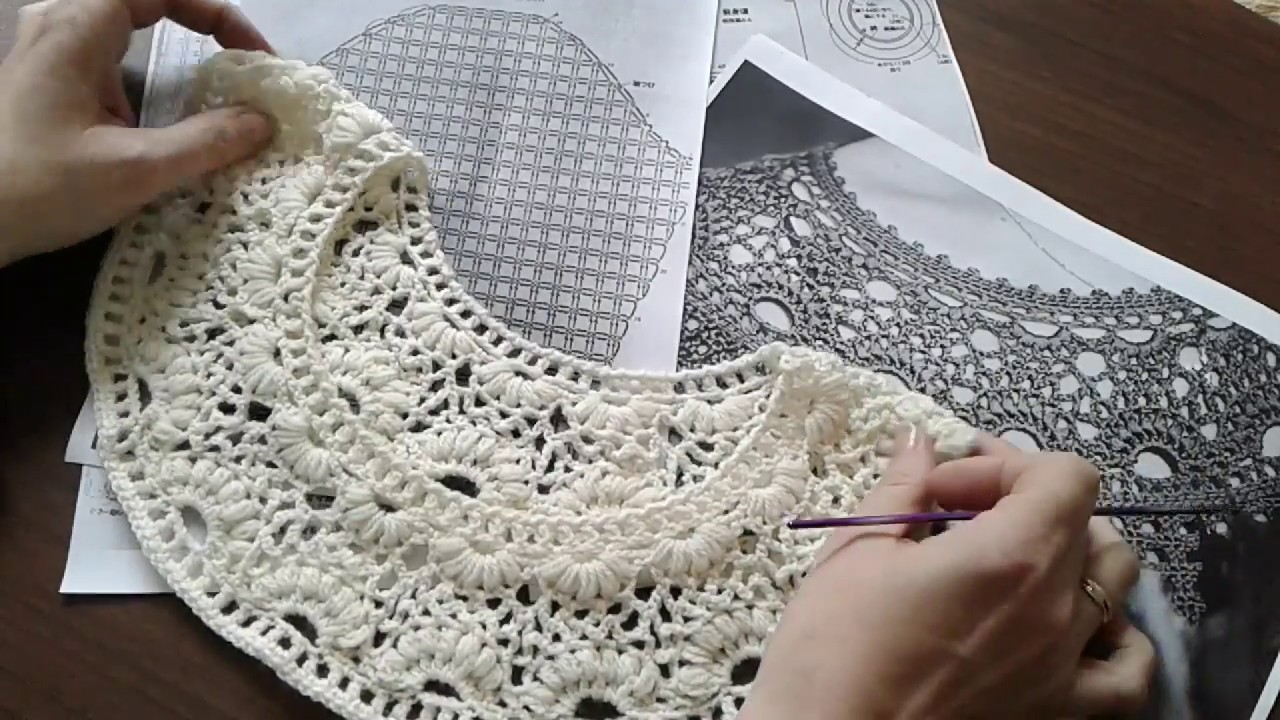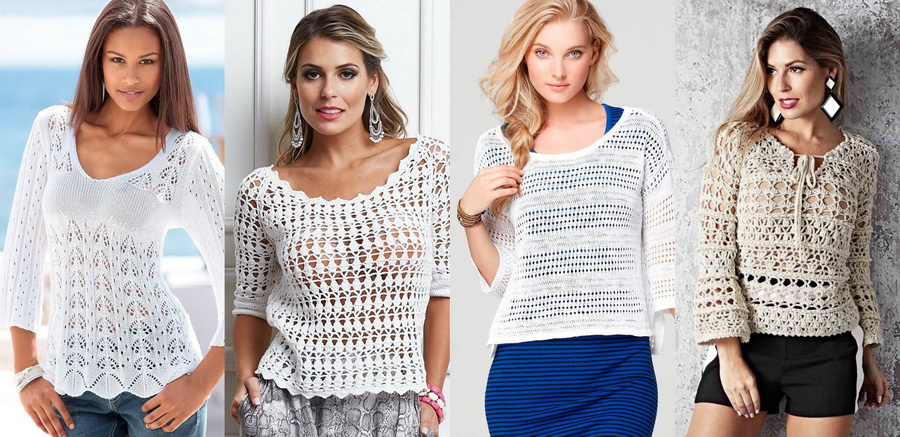
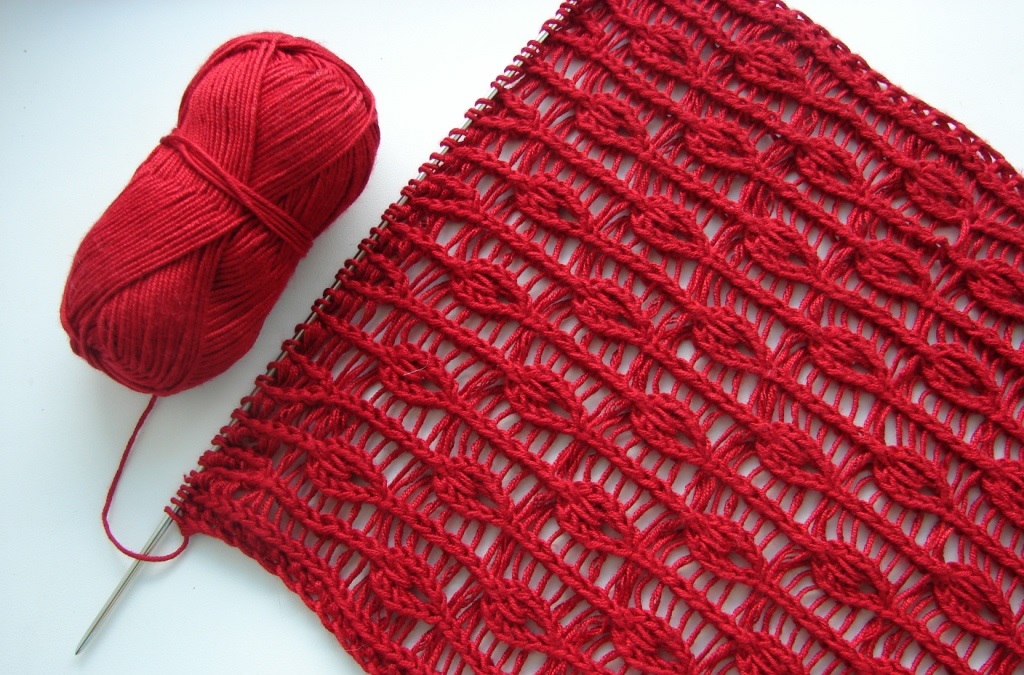
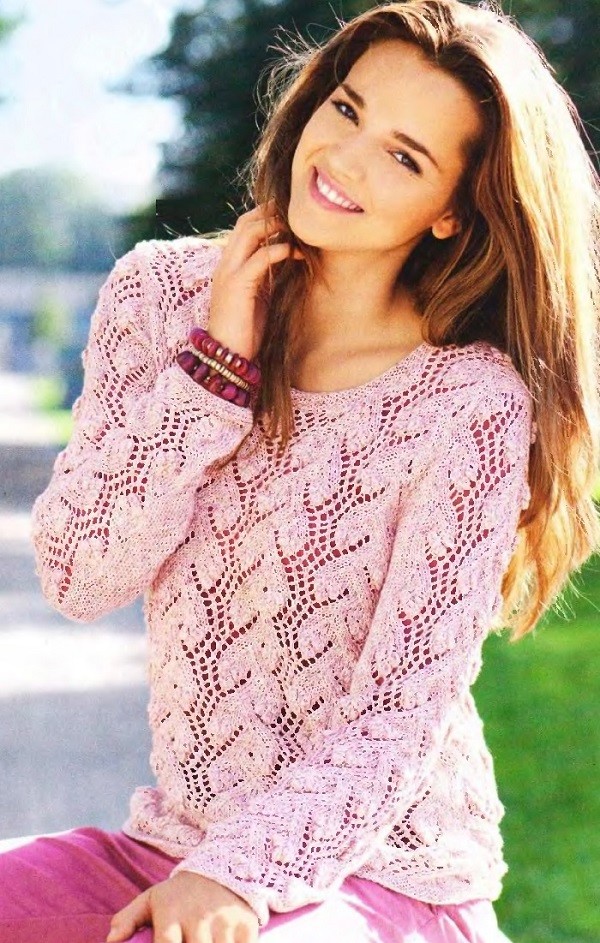
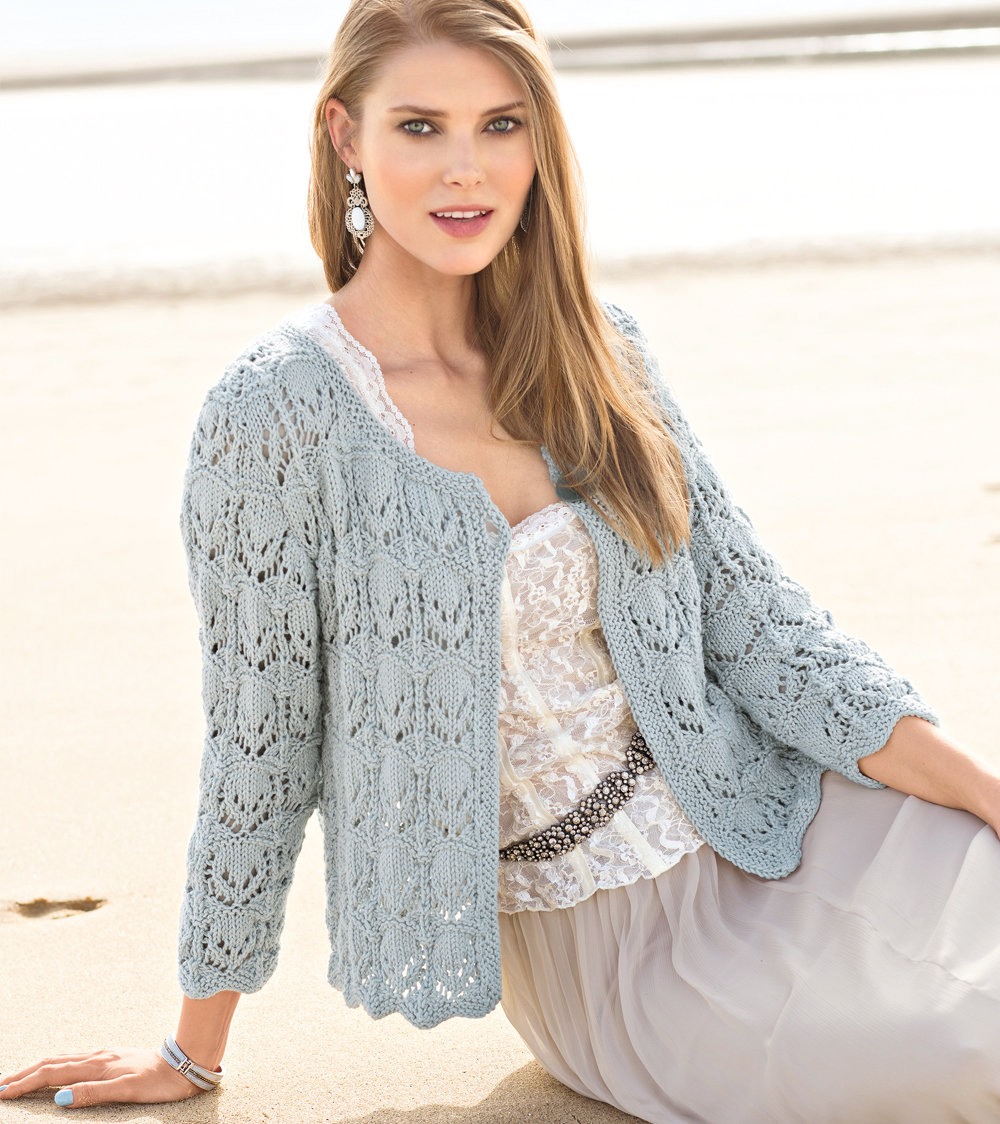
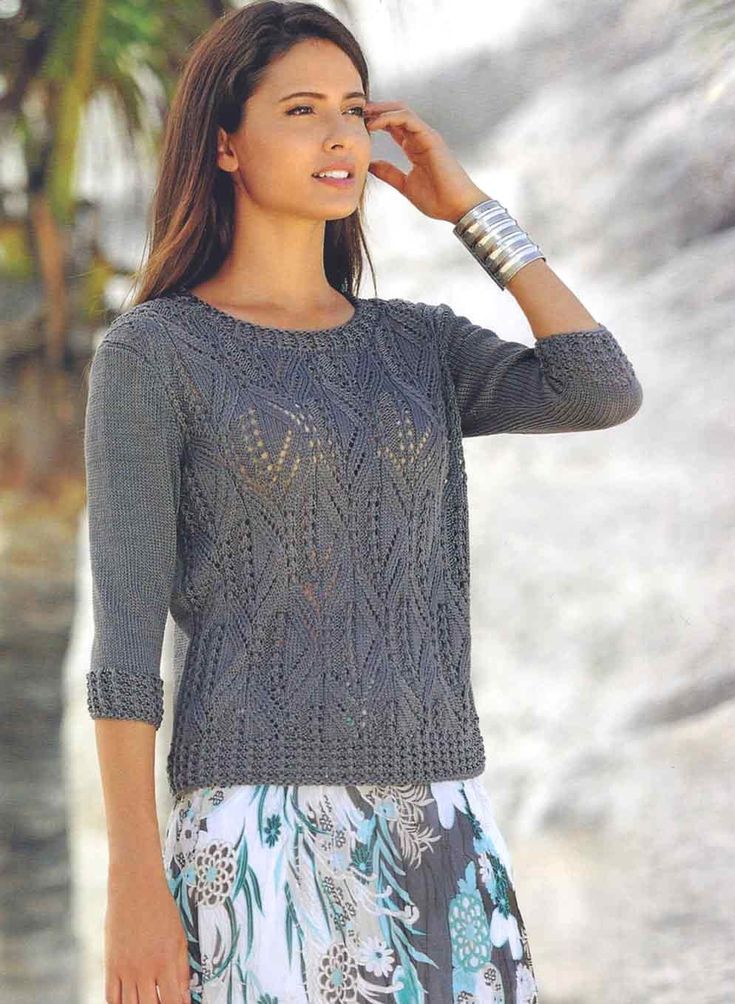
It is easy to create a unique knitted item, for this purpose various techniques and ornaments were invented. Openwork patterns with knitting needles with diagrams, simple and beautiful for a jacket, sweater or cardigan will help to decorate the product and give it originality. Experienced craftswomen can combine several different techniques in one wardrobe item, it is better for beginner knitters to stick to a ready-made diagram.
Rules for choosing yarn and tools
For knitting openwork, yarn is selected depending on the desired result. Large patterns can be knitted from thick thread, which contains polyester. Small beautiful patterns are made from thin yarn, preferably without wool or acrylic (so that it does not fluff up too much), and also with cotton in it. The thread should be of good quality and pleasant to the skin, so as not to cause discomfort when wearing.
The recommended tool number is often written on the thread labels. When casting on stitches, you need to use knitting needles 0.5-1 mm larger so that there is no difficulty in removing stitches when knitting. If you are making an elastic band before openwork patterns, it is better to take a smaller size so that when stretched, the product is not too big. It is important to consider that knitting patterns can be circular and with a turn. The tools for this are chosen accordingly. For circular knitting, you need knitting needles with a fishing line or a cord. To knit with a turn, you can take ordinary straight tools.
Also, when choosing knitting needles, a lot depends on the pattern. For example, a craftswoman is going to make a spider web, took yarn on which the knitting needle size is indicated from 1 to 2.5 mm. In this case, it is better to take a tool of the largest diameter, as this will be more practical in the process. If shells or leaves are made as you knit, it is advisable to use a smaller knitting needle size so that there is not a large distance between the loops.
Basic openwork techniques for sweaters
There are different patterns for knitting a sweater with knitting needles:
- Openwork diamonds. Always look neat and beautiful. There are several variations from large to small, with dividers like stripes or overlapping one diamond on another.
- Wavy openwork pattern with knitting needles. There are two types of waves: horizontal and vertical. The first, if knitted with blue yarn, resembles a marine theme, the second is suitable in style for winter weather. They are knitted with simple rapports, and look elegant in the product.
- Braids. Such knitting patterns can be modified as desired. Braids come in different sizes, types and volumes. You can make narrow ones, then it is better to take thin yarn. For wide ones, a thick fluffy thread will do.
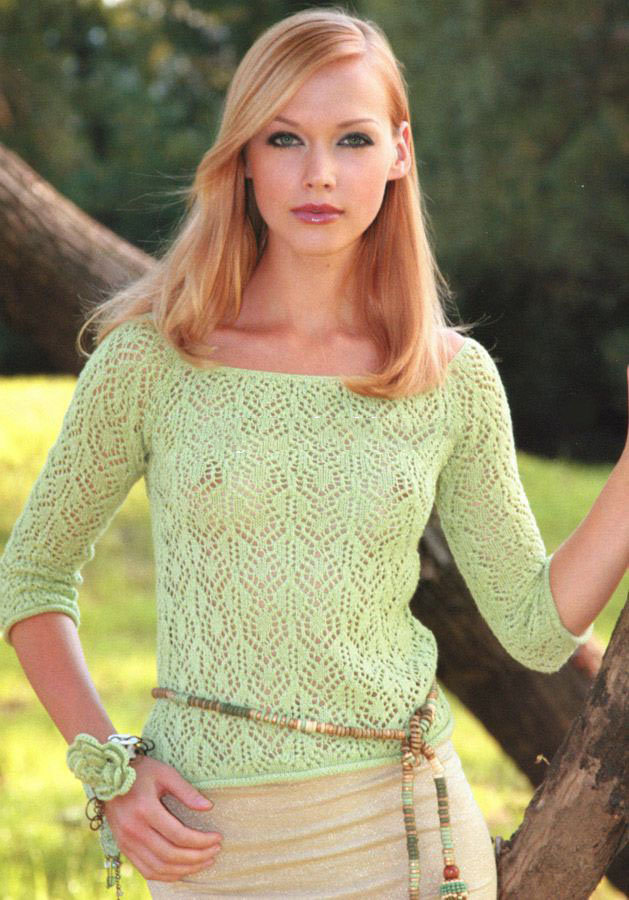
- Mesh. Suitable for summer. It is advisable to knit with needles of the maximum diameter, which is indicated on the yarn label, then the mesh will be softer. To prevent the product from stretching too much on the cuffs, collar and bottom, it is advisable to knit an elastic band. In this case, it will hold its shape and will not allow the sweater to lose its shape over time.
- Small patterns. You can knit small details from thin yarn. For example, when decorating an autumn sweater, you can decorate it with leaves, and tulips are suitable for a summer one. It will be easier to knit patterns with knitting needles than with a crochet hook.
When choosing an openwork pattern with knitting needles, with diagrams, simple and beautiful for a sweater, it is advisable to look at what things it will be worn with. For example, Christmas trees won't go with a business suit, and waves can't be combined with short skirts.
Waves
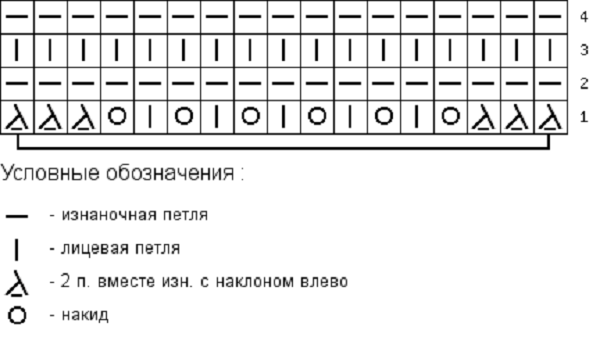
There are two types of openwork waves that can be combined in one product. For example, knit the sleeves with vertical waves, and the front and back panels with horizontal ones. For women with knitting experience, it will not be difficult to knit a sweater with such a pattern:
- The horizontal wave pattern starts with 17 sts (loops), plus 2 edge sts.
- In the first row, 3 times 2 P together IP (purl), yarn over, LP (front), repeat these two elements 4 more times, yarn over and again 6 P are knitted 2 together IP.
- In the second and fourth, all are IP, and in the third, LP.
- From the fifth row the pattern starts again until the end of the product.
To calculate the number of rapports, you need to knit one rapport, measure its length and width. Then see how many loops were made and, based on the data obtained, calculate the required number for the product.
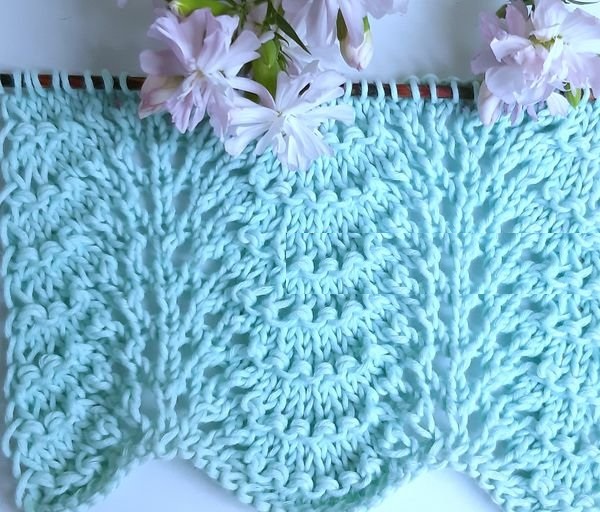
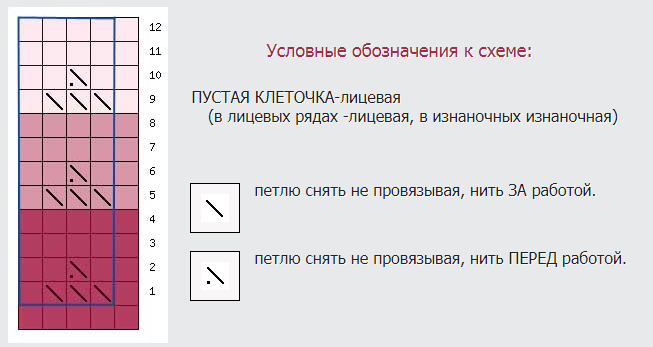
Now we need to connect the vertical wave:
- The number of loops in such a pattern is a multiple of 4, plus 1 edge loop.
- The first row is knitted with IP.
- In the second 1 LP, three are removed and knitted with the thread behind the work, then LP again.
- In the third 2 IP, one is removed and done with the yarn in front of the fabric, after that again, like the first two loops.
- The fourth and fifth rows are knitted in order: first LP, then IP.
- Then the pattern is repeated until the required number of times.
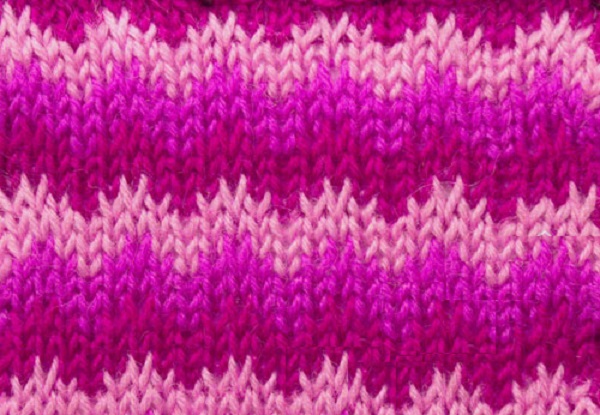
If desired, you can take a separate color for each row. For example, alternate three pink threads of different shades. Such a pattern will add originality to the product. Multi-colored sweaters can be worn in the fall, when you want summer weather.
Small openwork pattern
The sleeves of the blouse are often decorated with small openwork patterns. You can also make such a solid pattern on the back of children's blouses:
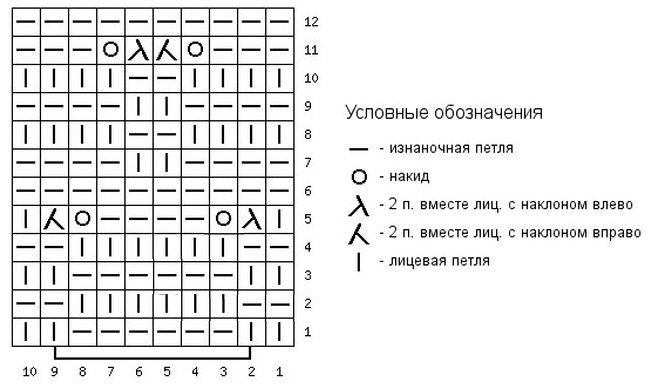
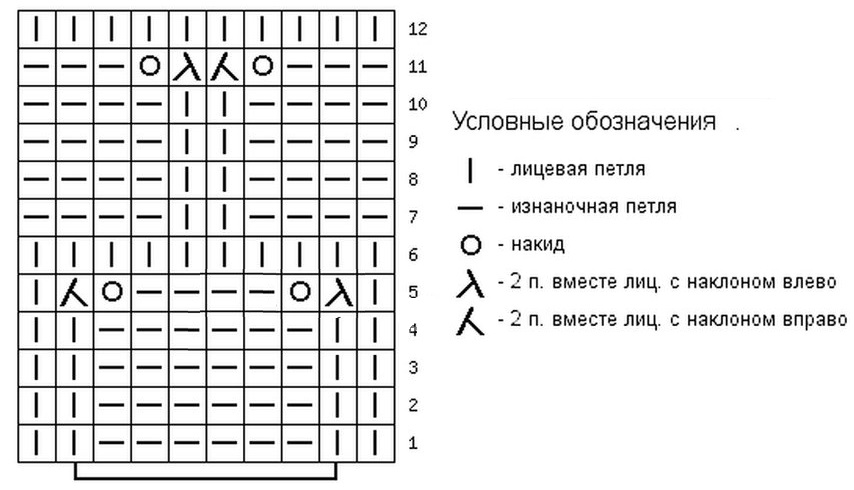
- Pattern repeat 8 P, 2 edge. The number of repeating rows is 12.
- In circular knitting, from rows 1 to 4, 2 LP (front) stitches are knitted, then 6 RP (purl), and 2 LP are repeated again.
- In the fifth there is 1 LP, then 2 LP together with a tilt to the right side, then a yarn over, 4 IP, then in reverse order with a yarn over.
- The sixth row is knitted entirely with front loops.
- From rows 7 to 10, the first four are made purl, then two are knit, again similar to the previous ones.
- In the 11th row 3 LP, yarn over, 2 P together with a tilt to the right side, then knit in reverse order.
- The twelfth row is knitted entirely with front loops.
If desired, you can knit the same pattern with turning rows. Then you need to remember that when turning the knitting, you need to change the loops: purl to front and vice versa.
Openwork braids
Openwork braids are usually used to decorate the front of sweaters or jumpers. There are several options:
- wide braids;
- narrow;
- voluminous;
- loose.
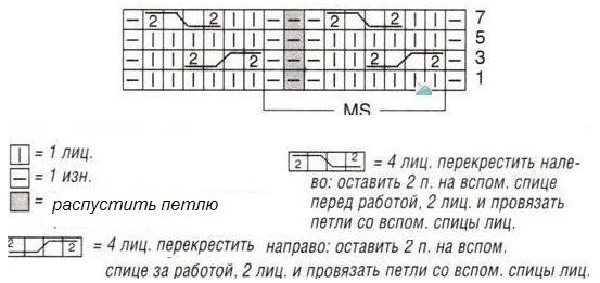
All these options have the same knitting structure, only the number of loops and the pattern differ. For example, for a summer pullover, you can knit a beautiful pattern with dropped loops:
- The pattern repeat is 9 sts, plus 1 before the repeat and 7 after the repeat, add 2 edge sts.
- In the first row, first the edge sts are knitted, then the sl sts to the rapport, and the rest are knitted as sl sts. The second, fourth and sixth rows are knitted as sl sts.
- The third one is knitted first with the edge, then with the IP. Then 4 LP are crossed to the right, the rapport is repeated.
- The fifth row is knitted similarly to the first.
- In the seventh, the same pattern is followed as in the third, only the cross is made to the left.
In such a pattern there are no yarns or decreases that create openwork. The mesh is obtained by unraveling the middle loop. At first, the pattern is knitted completely according to the scheme and only at the end before assembly it is necessary to unravel the necessary loop. But it should be taken into account that the product will become wider.
Leaves
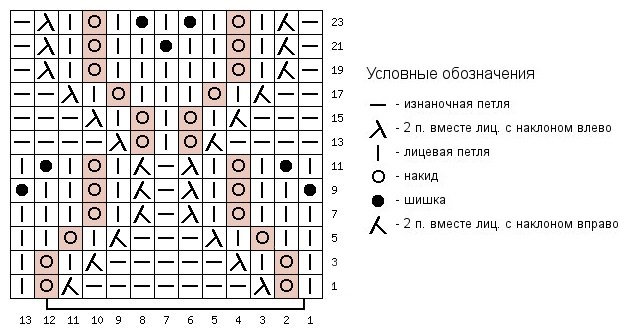
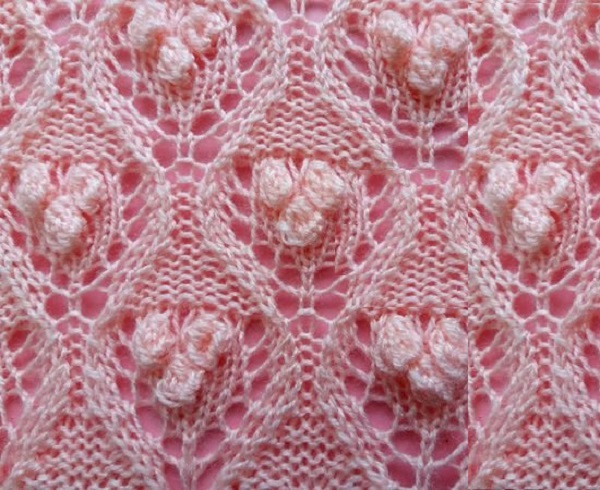
Knitting sweaters with leaves and other elements usually falls on winter. You can combine several patterns and knit vertical leaves with cones:
- The rapport consists of 12 sts, plus 1 for symmetry and 2 edge sts. In height, rows 1 through 24 are repeated.
- In the first row there is 1 LP, yarn over, 2 LP together with a tilt to the right, 7 IP and in the reverse order from the joint ones, except that the tilt is to the left.
- The second and all subsequent even numbers are knitted as a single crochet.
- The third one starts with a knit stitch, then a yarn over, another knit stitch, two loops together with a tilt to the right, 5 ip and again in reverse order, tilt to the left.
- The fifth row starts with two LP, then a yarn over, LP again, tilt to the right, 2 IP with a tilt to the left.
- The seventh row is knitted similarly with the yarn over shifted one loop further. In the 9th row, everything is similar, only the cone is knitted first. The eleventh row begins with the front loop, then the cone and similar to the fifth.
- From row 13 the leaflet is expanded. First 4 IP, 2 together with a left tilt, yarn over, LP and back
- The fifteenth row is knitted similarly to the previous one, only 2 loops together are shifted one to the right, instead of them a front one is made. The seventeenth is the same.
- In the 19th row, make IP, 2 together with a tilt to the left, IP, yarn over, 5 IP and in reverse order, tilt to the right.
- Rows 21 and 23 are knitted in the same way, only in row 21 the seventh loop is made into a cone.
This pattern, knitted according to the master class with knitting needles with a description, goes well with leaves in a garland, they can be made on the sleeves. The main thing in this technique is to learn how to make cones. Experienced craftswomen already know how much force is needed to tighten them so that they do not unravel, but beginners need to be careful with this.
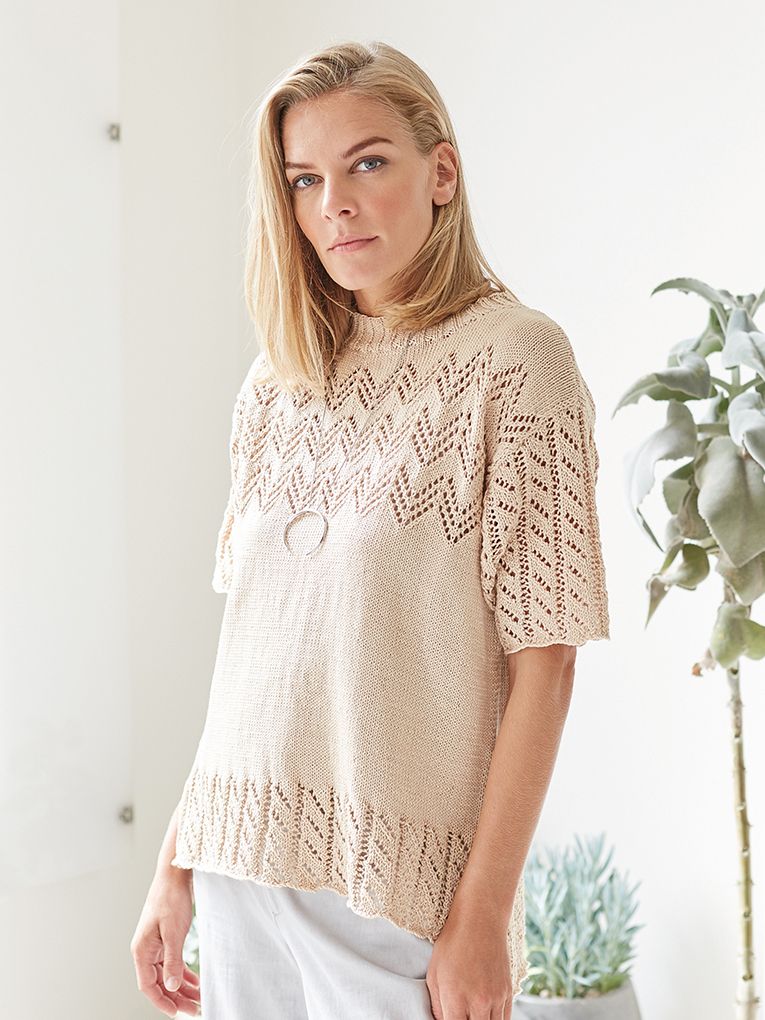
Zigzags
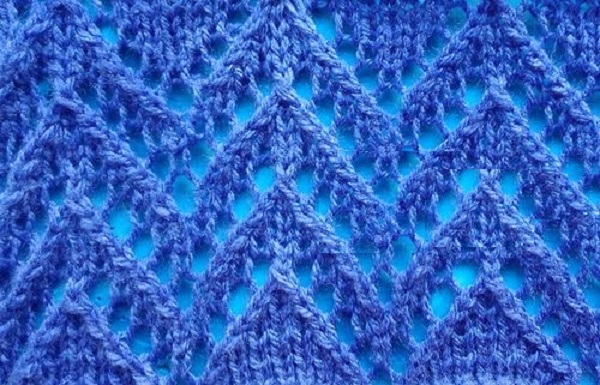
Patternzigzag for a children's blouse with knitting needles it looks very similar to a Christmas tree:
- The rapport consists of 10 sts and two edge sts, plus one to even out the pattern.
- The rows go similarly to each other. In the first one, first a yarn over, then two together with a tilt to the left, then 7 LP, a tilt to the right and another yarn over.
- Thus, the rows go by shifting these elements to the center, along the way in new rows yarns and tilts of combined loops are added. The pattern is repeated to the required length.
The zigzag is knitted with a small mesh; a sweater with this pattern can only be worn in winter with a T-shirt or turtleneck in the same color underneath.
Large patterns
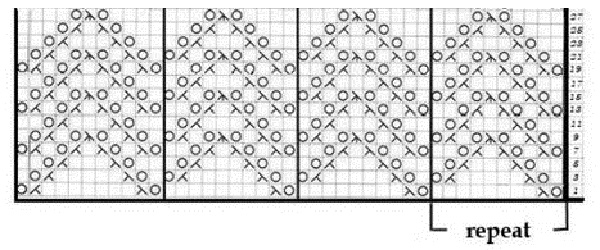
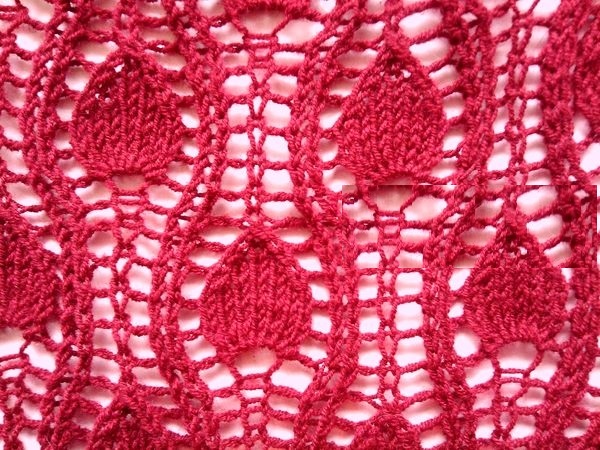
Large simple patterns will suit voluminous sweaters. You can make leaves, diamonds or flowers. And if desired, these three patterns can be combined into one:
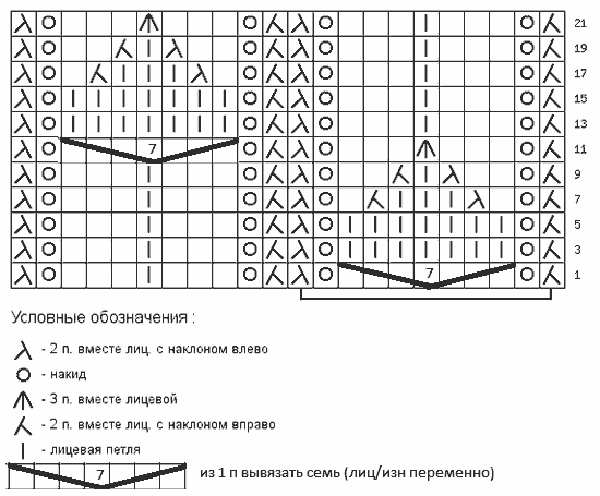
- The rapport consists of 5 P and 22 rows. To form the side edges, 2 edge rows are also needed.
- All even rows are knitted with LP.
- From rows 1 to 9, 2 P together with a tilt to the left, yarn over, 3 IP, 1 LP and in reverse order, except that the tilt is to the right.
- In the 11th row there are two side loops of the same type, only 7 are knitted from one loop in the middle.
- Rows 13 and 15 are knitted the same way: 2 together to the left, yarn over, 7 knit stitches and reverse order, tilt to the right.
- In the following rows, the first two and the last ones are similar to the previous ones. The third one is knitted purlwise, then a tilt to the right, three front ones, a tilt to the left and IP.
- The 19th is done in the same way, only the 4th loop is made purl, and the fifth - two together with a tilt to the left, front and in reverse order.
- In the 21st row, 3 IP, then 3 loops together front, the row ends the same way as at the beginning.
This pattern looks like a rhombus or a leaf, and the side parts create the stems of the flower. If desired, you can mirror the pattern in the second rapport, then it will be neater. This pattern is best knitted with bright threads.
Pyramids and caps
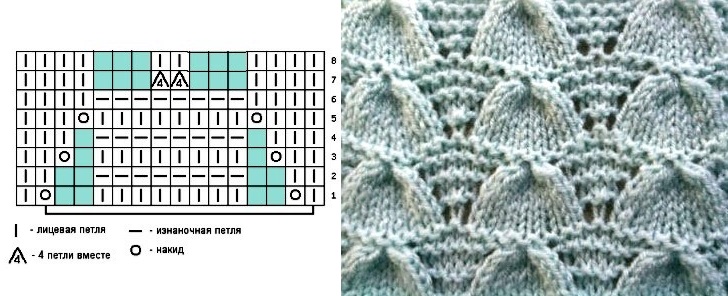
Pyramids or caps for babies are easy to knit and look beautiful on a child's product:
- Knitting consists of 8 rows. There are 9 P, plus 1, for aligning the pattern, plus two edge ones.
- In each row, the first and last loops are knitted.
- The first row consists of a yarn over, two skips, 8 LP, then everything is the same in reverse order.
- The second row is done in the same way, only without a yarn over, and inside - IP.
- In the third row, the 3rd loop is a yarn over, the rest is the same as the first.
- The fourth consists of 3 LP, an empty loop (skip), 8 IP, then in reverse order.
- In the fifth row there are 3 LP, yarn over, 8 LP.
- The sixth is made from 4 LP on the sides, 8 IP inside.
- The seventh and eighth are made the same way, only in the middle of the seventh row 4 loops are knitted together. On the sides 4 LP, 3 skips.
This pattern can be used for doll blouses. The main thing is not to overtighten the thread when knitting four loops together.
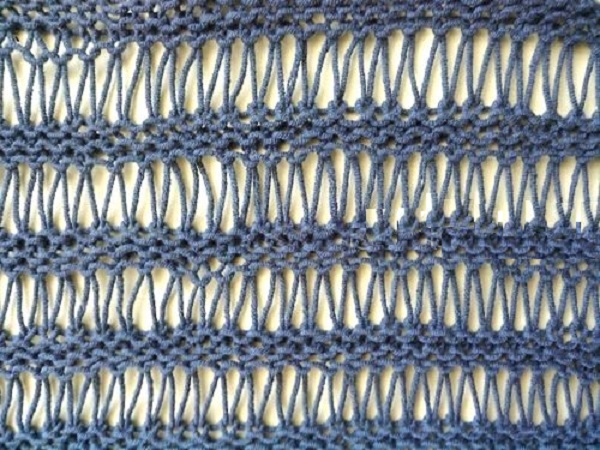
Extended loops
Elongated loops are suitable for knitting summer blouses:
- The required number of loops is cast on. The 1st, 2nd, 3rd rows are knitted with face loops.
- In the 4th, next to each front loop, 2 yarn overs are made to the edge loop.
- The fifth row is knitted with front loops, but the yarn overs near each one are lowered, and the loop itself is pulled out to its full height.
This simple pattern is suitable for creating an original summer item. The blouse can be made colored if you use a melange thread. If desired, a zipper is sewn in or buttons are attached. It is necessary to knit the cuffs, collar and bottom with a 1 x 1 elastic band.
Christmas trees
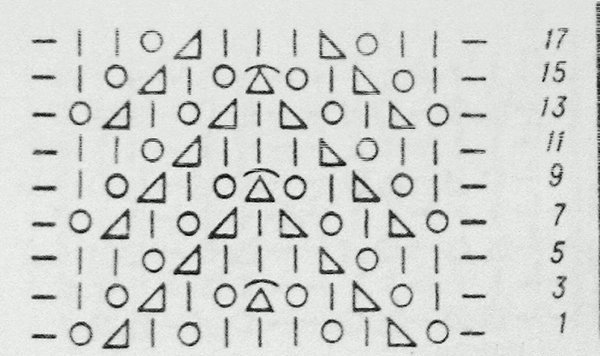
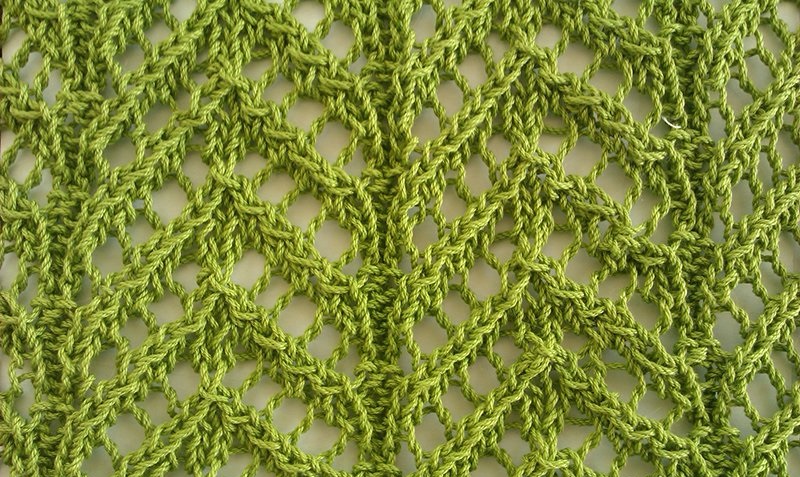
The sweater with a Christmas tree pattern is easy to knit:
- The rapport consists of 17 rows, the first and last loops are made purl.
- In the first one you need to make a yarn over, then two loops with a tilt to the right, a front loop, a yarn over, three front loops, then in reverse order, tilt to the right.
- All even rows are knitted purlwise.
- The third is made from a knit stitch, a yarn over, two with a left tilt, one knit stitch, a yarn over, three together, and then in reverse order.
- The following rows are knitted according to this pattern, shifting two loops together with a tilt, yarn over to the center. Adding new ones along the way.
Things with such a pattern look original if multi-colored threads are chosen. Since this pattern for a sweater is considered openwork, it is advisable to wear a T-shirt under it.
Tips on choosing equipment for different sweaters
For summer, models with mesh patterns or elongated loops are best. Such sweaters are breathable and not picky in execution. Threads should be chosen natural, for example, bamboo or cotton.
For children, it is better to knit braids or large patterns, as they retain heat well. Such techniques will look interesting on a child's clothes, especially if you complement the sweater with the same hat or scarf. It is easier for women to choose a pattern, since both voluminous and small types of designs suit them. For example, you can knit zigzags that will be combined with waves, or make openwork braids, combining them with diamonds. Openwork is not used for knitting men's pullovers.
Video
https://youtu.be/-UeVJewjDGE