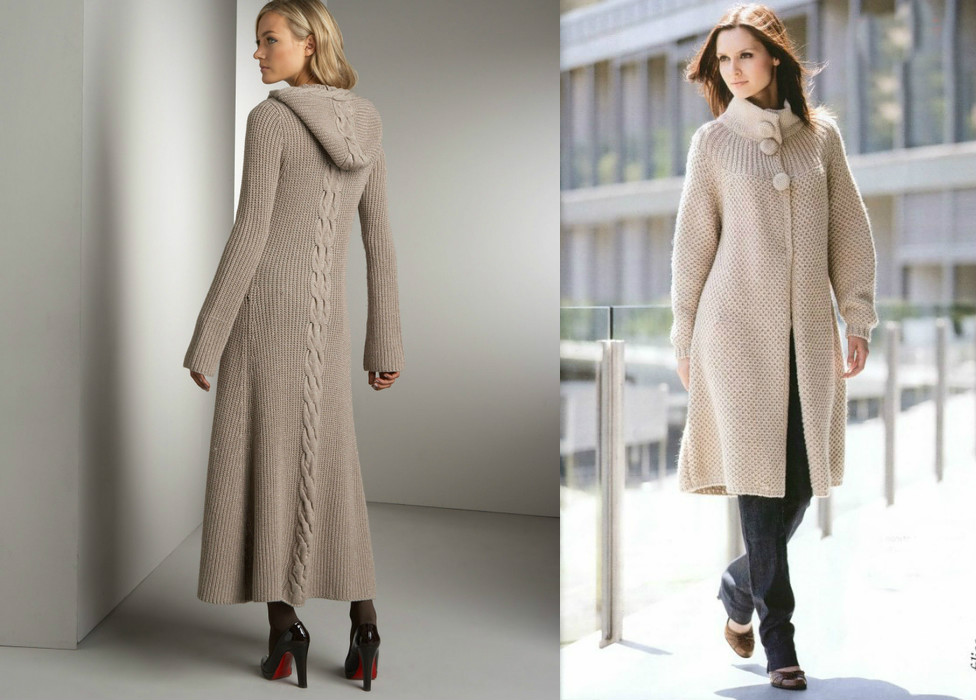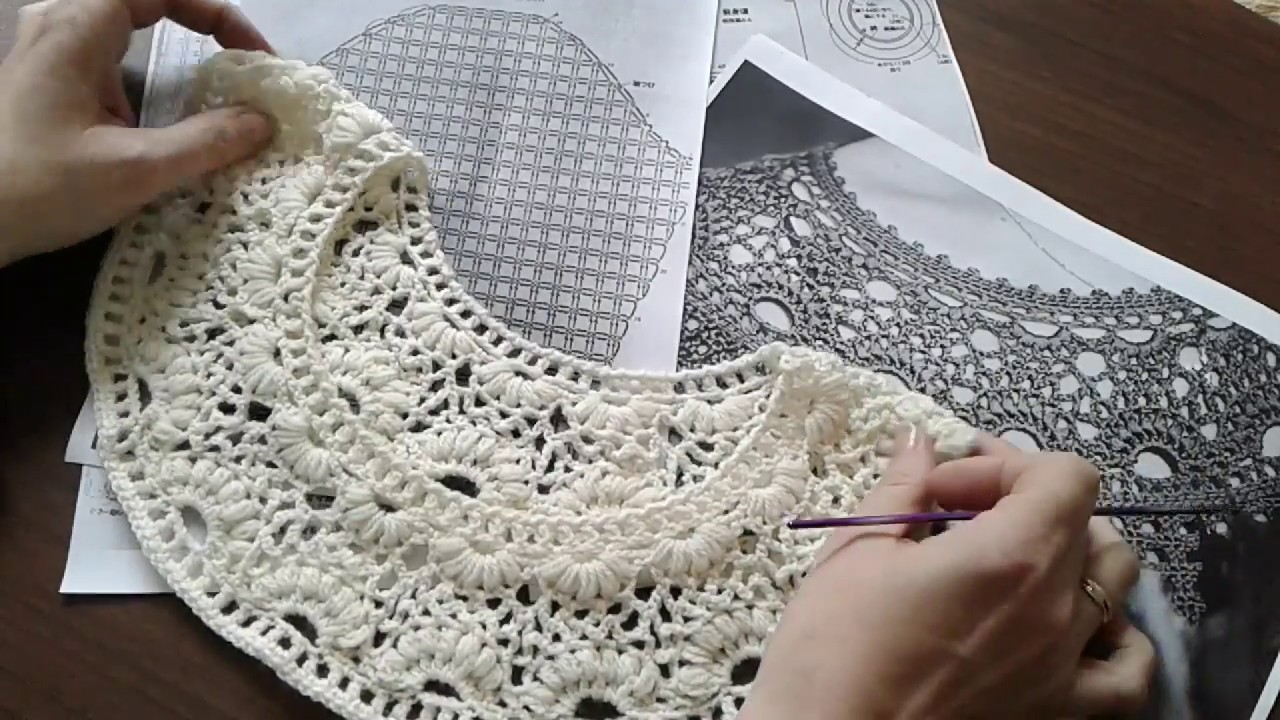
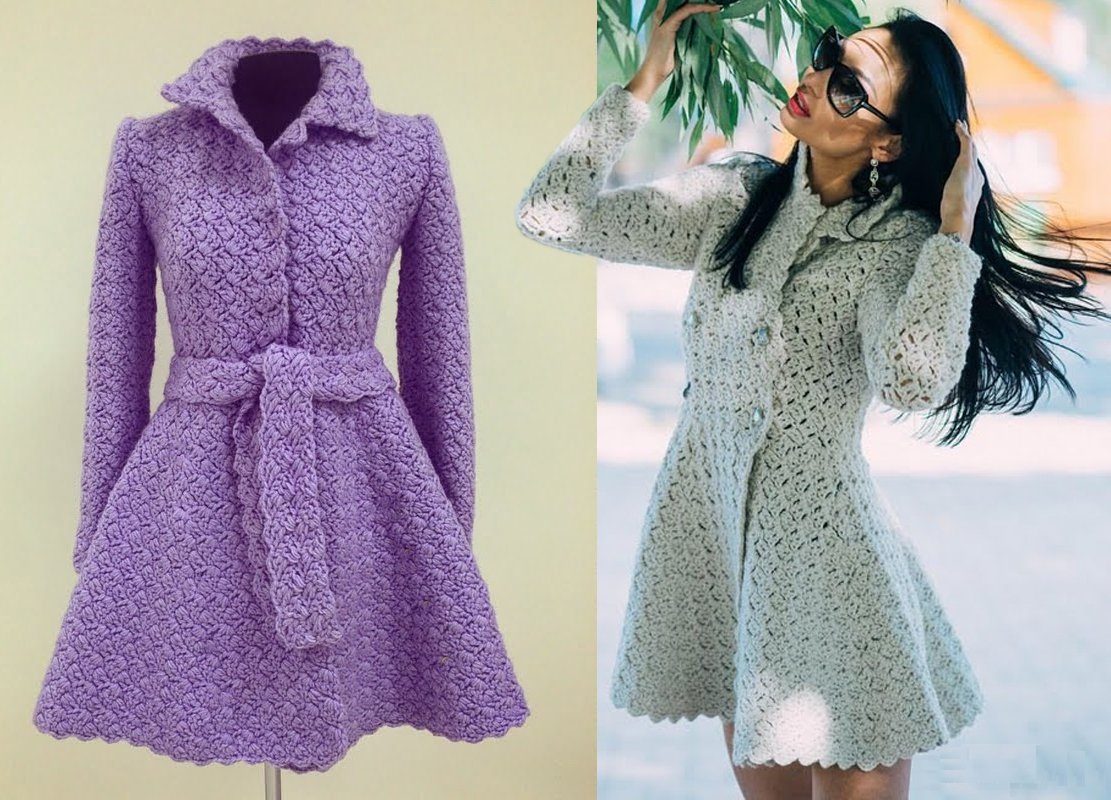
Knitted outerwear is an original option not only for the cool off-season, but also for summer evening walks. It emphasizes the impeccable taste and elegance of the owner. Stylish crochet coats help to create various images - from everyday to festive. Even simple models, accessible to novice needlewomen, look impressive. The main thing is to follow the presented pattern and description.
Selecting yarn and tools
A coat for cool summer days can be knitted from cotton or bamboo yarn with the addition of acrylic, viscose. This will reduce the weight of the fabric, protect it from wrinkling and shrinkage. In addition, artificial fibers will add softness to the product.
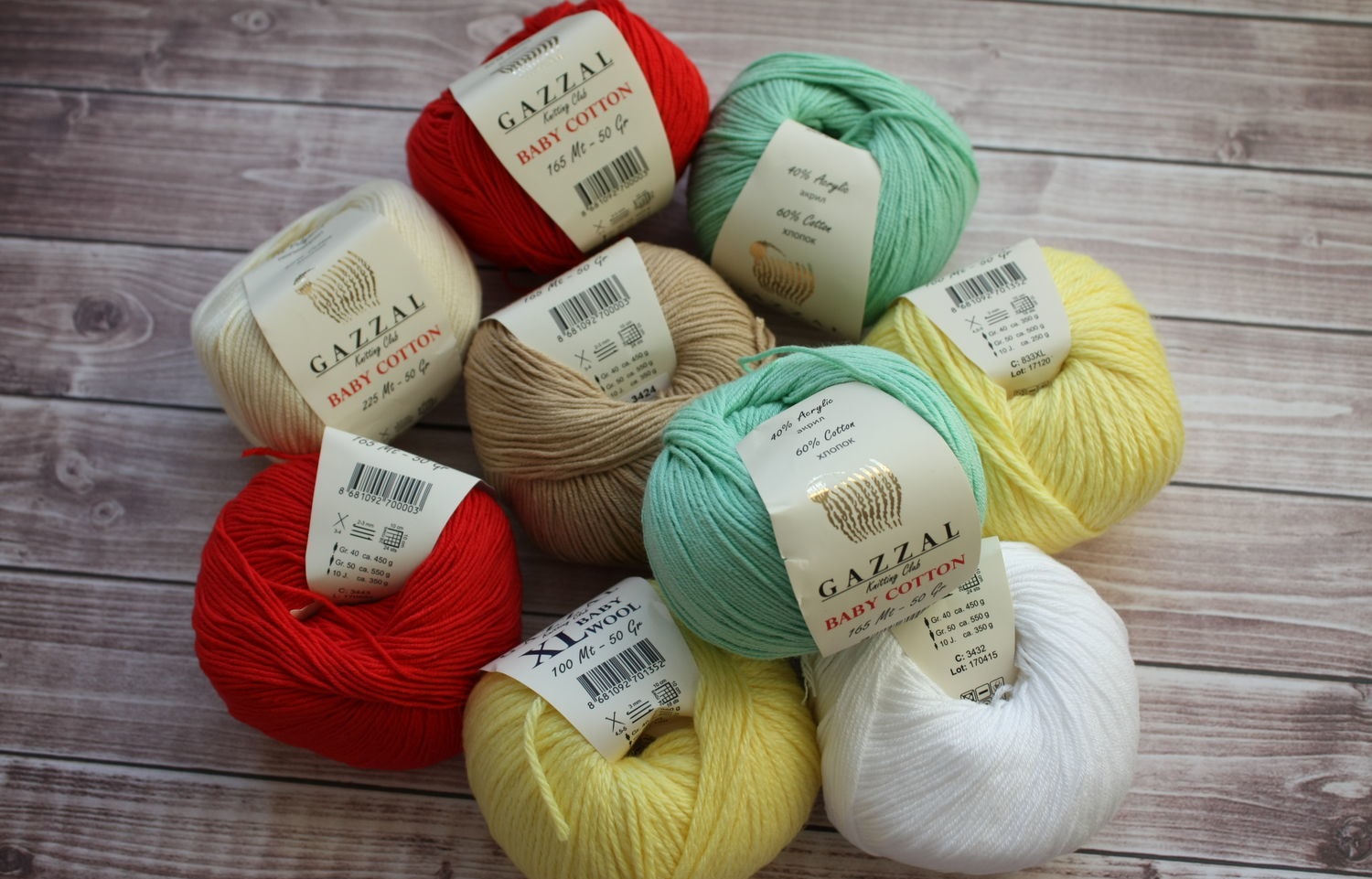
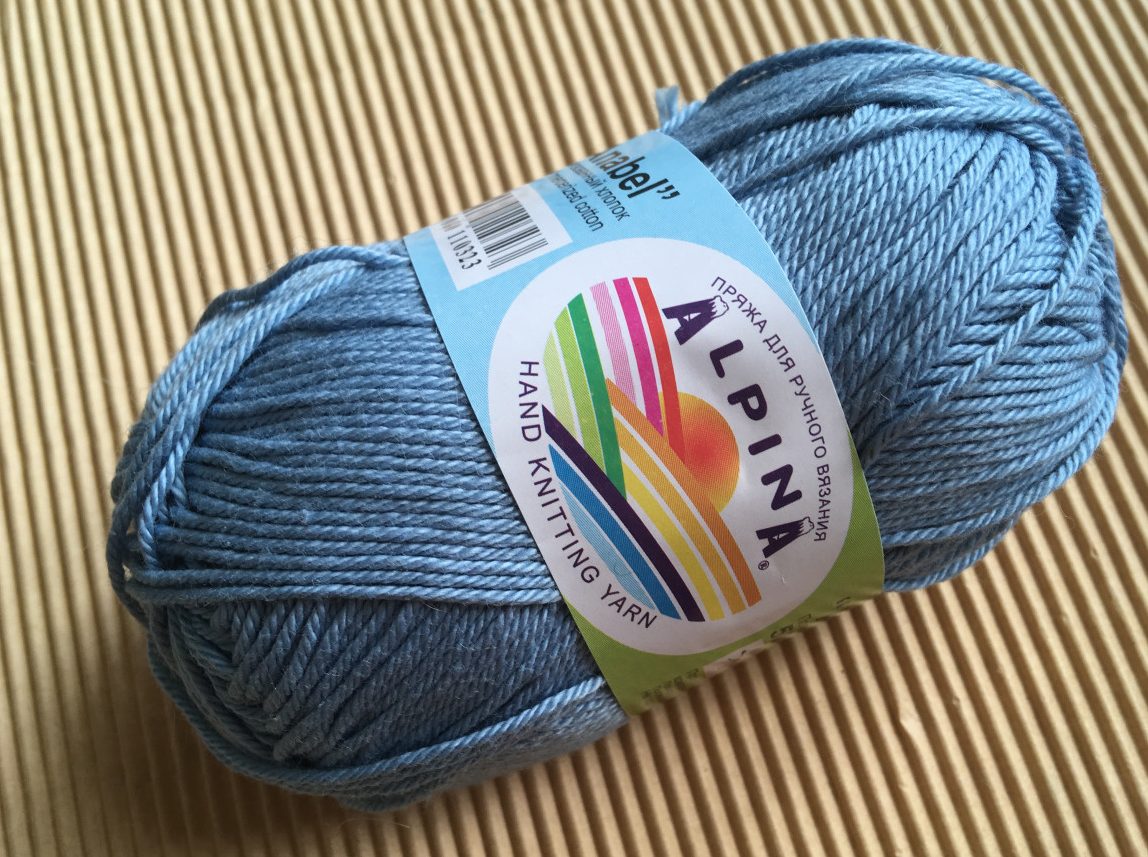
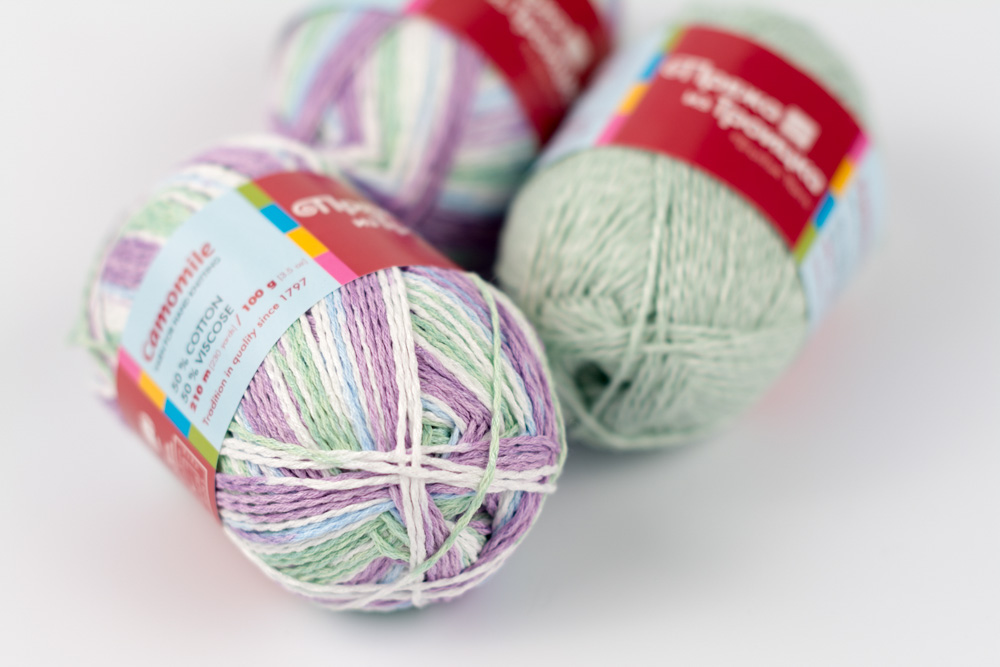
The following brands can serve as an example of a successful selection of threads for a summer crochet coat:
- Gazzal "Baby Cotton" - cotton with added acrylic;
- Alize "Bamboo Fine" - bamboo yarn;
- Alpina "Annabelle" - mercerized cotton;
- Troitskaya "Romashka" - cotton yarn with the addition of viscose;
- Kamtex "Soft cotton" - cotton with nylon.
For warm models that are comfortable to wear even at sub-zero temperatures, it is better to choose wool yarn. Coats can be knitted from the following types of threads:
- regular wool;
- merino;
- alpaca;
- cashmere;
- mohair;
- camel wool.
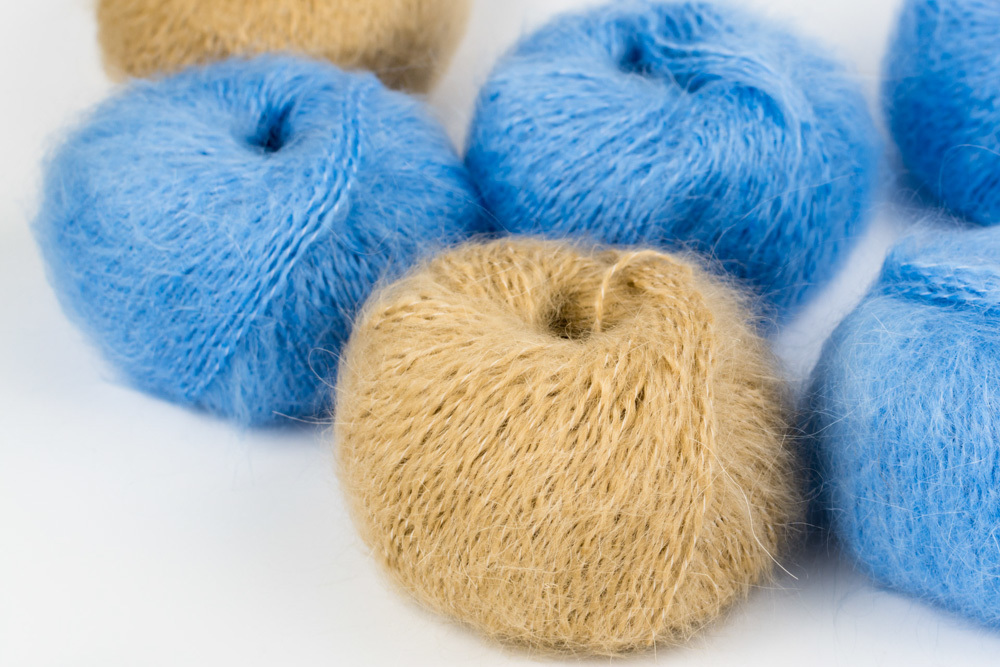
Pile yarn is light and warm, but tends to roll and lose fluff over time. To prevent this from happening, it is better to use a down thread as an additional one to the main wool thread.
The best option would be yarn that, in addition to natural fiber, includes a small percentage of acrylic, polyester or nylon. This will save the finished product from deformation and shrinkage. The looser the thread, the warmer the item will be. For decoration, you can use fancy yarn - ribbon, with beads, fringe, "grass", with pompoms, fur.
Types of threads suitable for crocheting a warm coat:
- Troitskaya "Lada" - mohair with wool and acrylic;
- Semenovskaya "Olga" - wool with a small content of acrylic;
- Trinity "Camel wool";
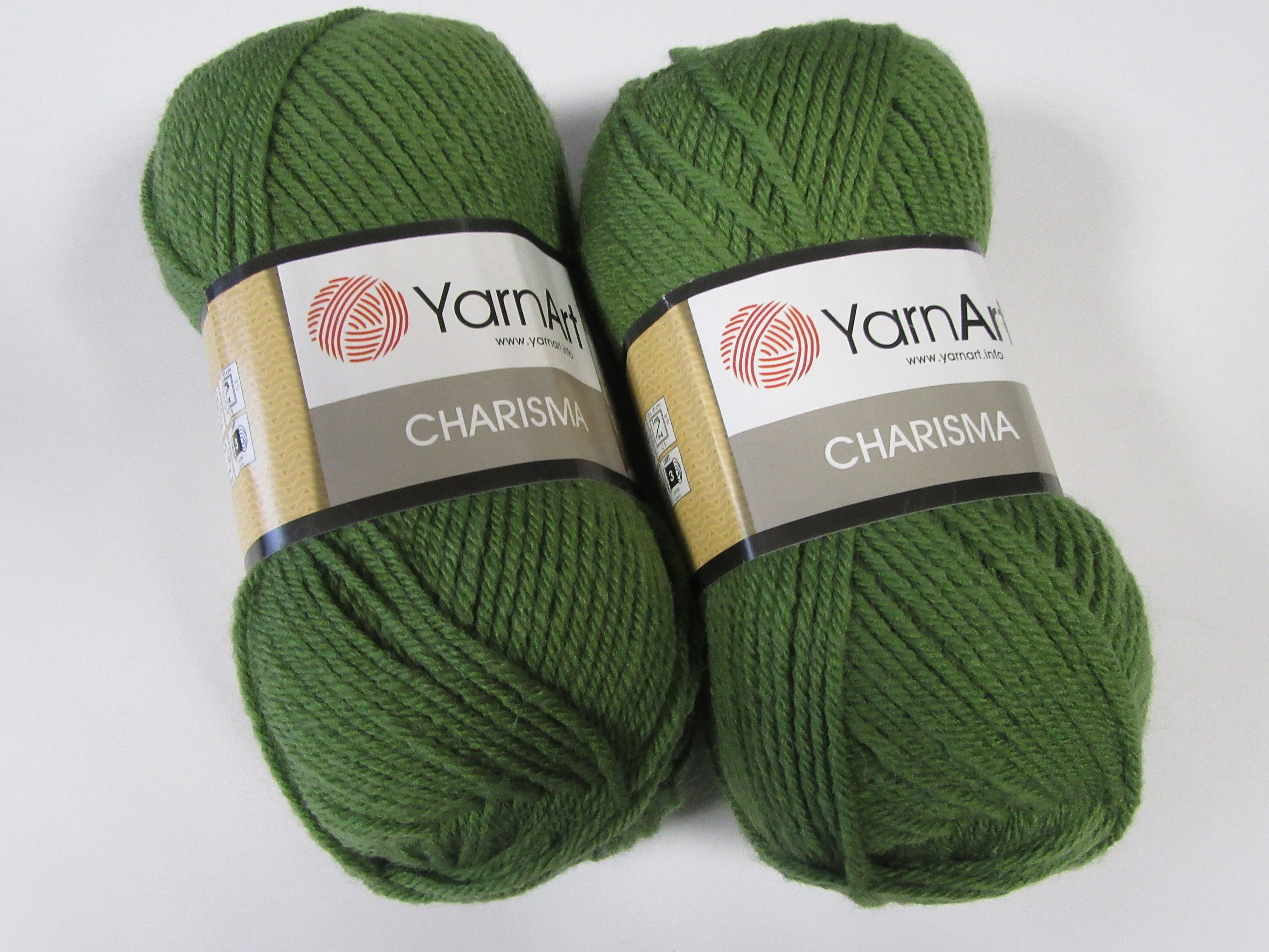
- YarnArt "Charisma" - wool and acrylic;
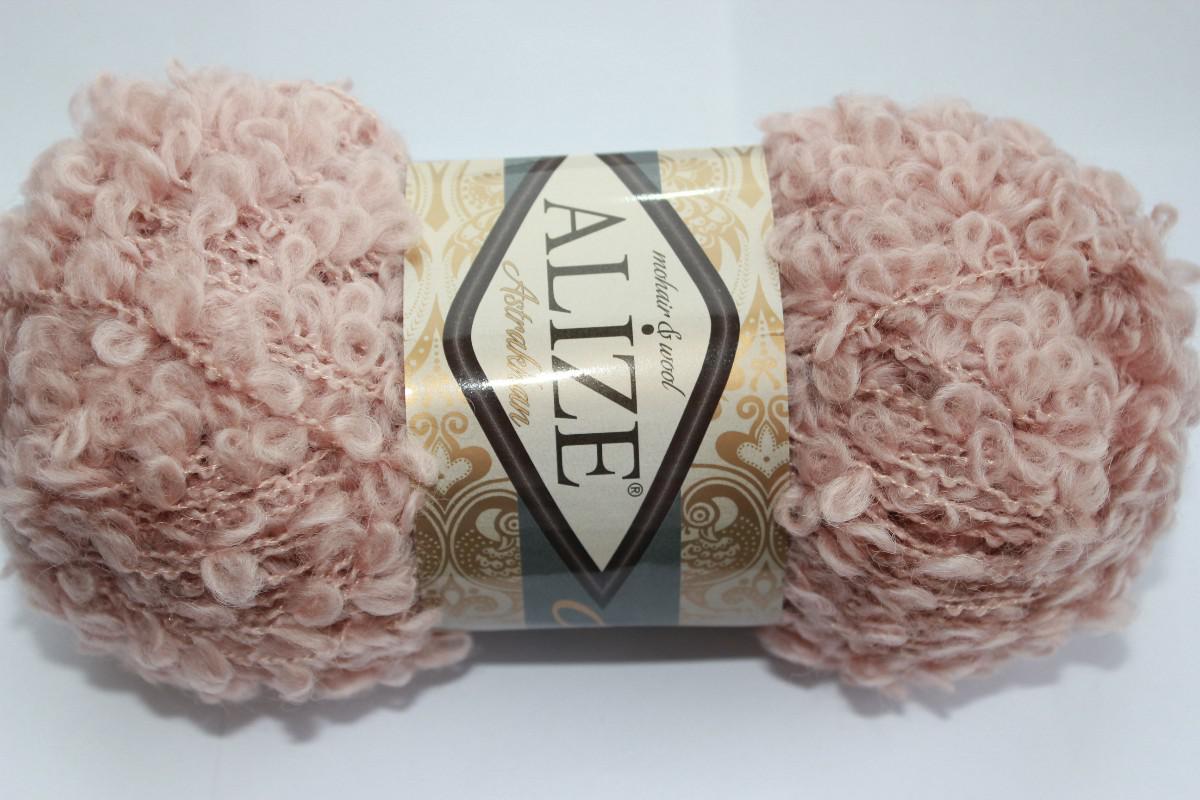
- Alize "Astragan" is a boucle yarn made of wool, mohair and nylon.
Crocheting with thick yarn does not guarantee that the coat will be warm. There are gaps in such fabric and the item does not protect from the wind. Therefore, it is better to knit a coat from thin threads in several folds or add a down thread to the main thread, the pile of which reduces wind resistance.
When choosing the thickness of the yarn, you should take into account that crocheted fabric is denser and heavier than knitted fabric. For a coat, you should use threads with a relative thickness of no more than 250 m per 100 g.
The product may sag under its own weight. Therefore, if the threads are heavy, the coat will need a lining. It is sewn from fleece or quilted padding polyester. The lining makes the item warmer, suitable for sub-zero temperatures.
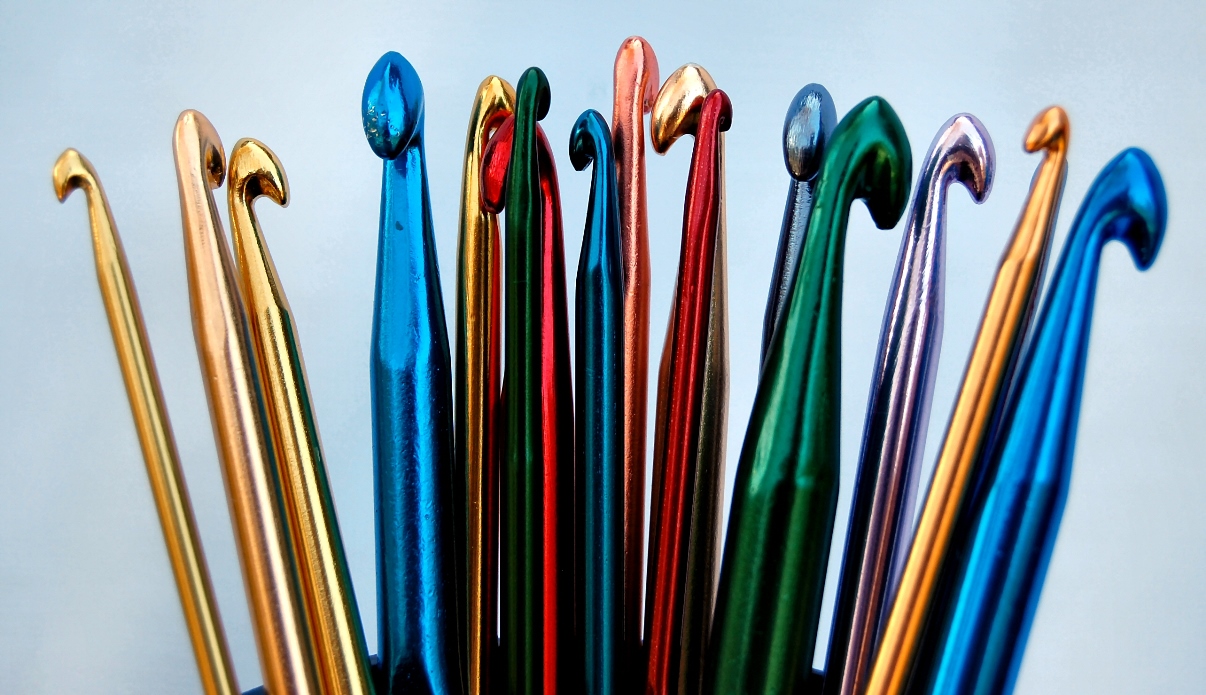
The diameter of the hook for outerwear is selected taking into account the thickness of the yarn, its texture and knitting technique. The recommended tool number is usually indicated on the label of the skein. However, if the yarn is very loose, pile or bouclé, you may need a hook one size larger to make the fabric soft.
For a summer coat, a large diameter hook is not needed, since the openwork pattern looks better if done with a tight knit.
Knitting methods and patterns
A crochet coat can be made using different techniques, the choice of which depends on the season and style. A beginner needlewoman can choose a simple classic knitting method. Among them:
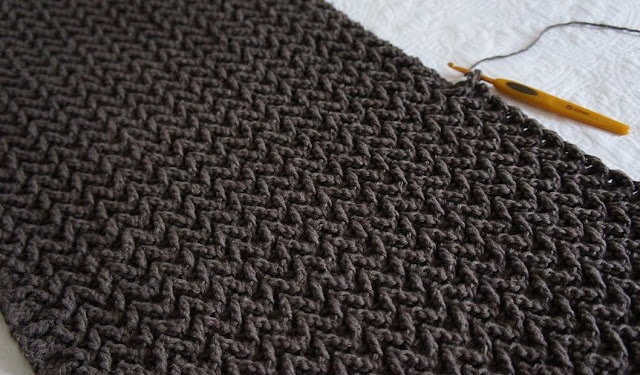
- uniform dense knitting, which uses single crochets, double crochets, and relief stitches;
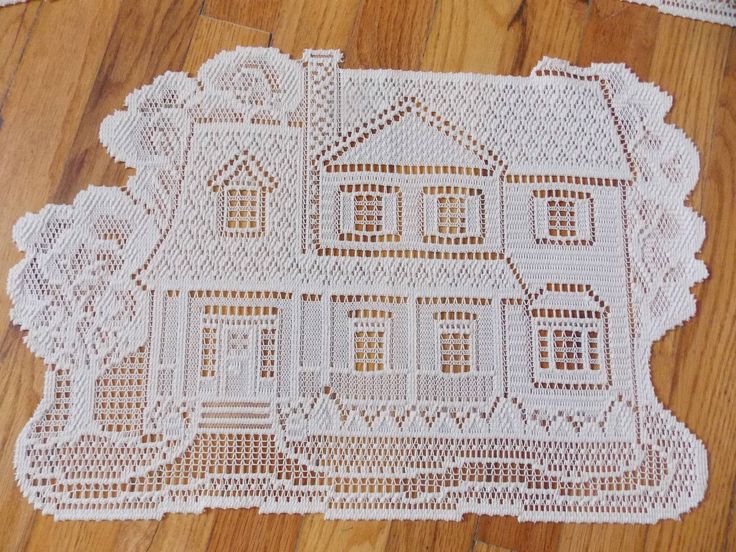
- fillet technique - alternating columns and air loops, creating a grid with square cells;
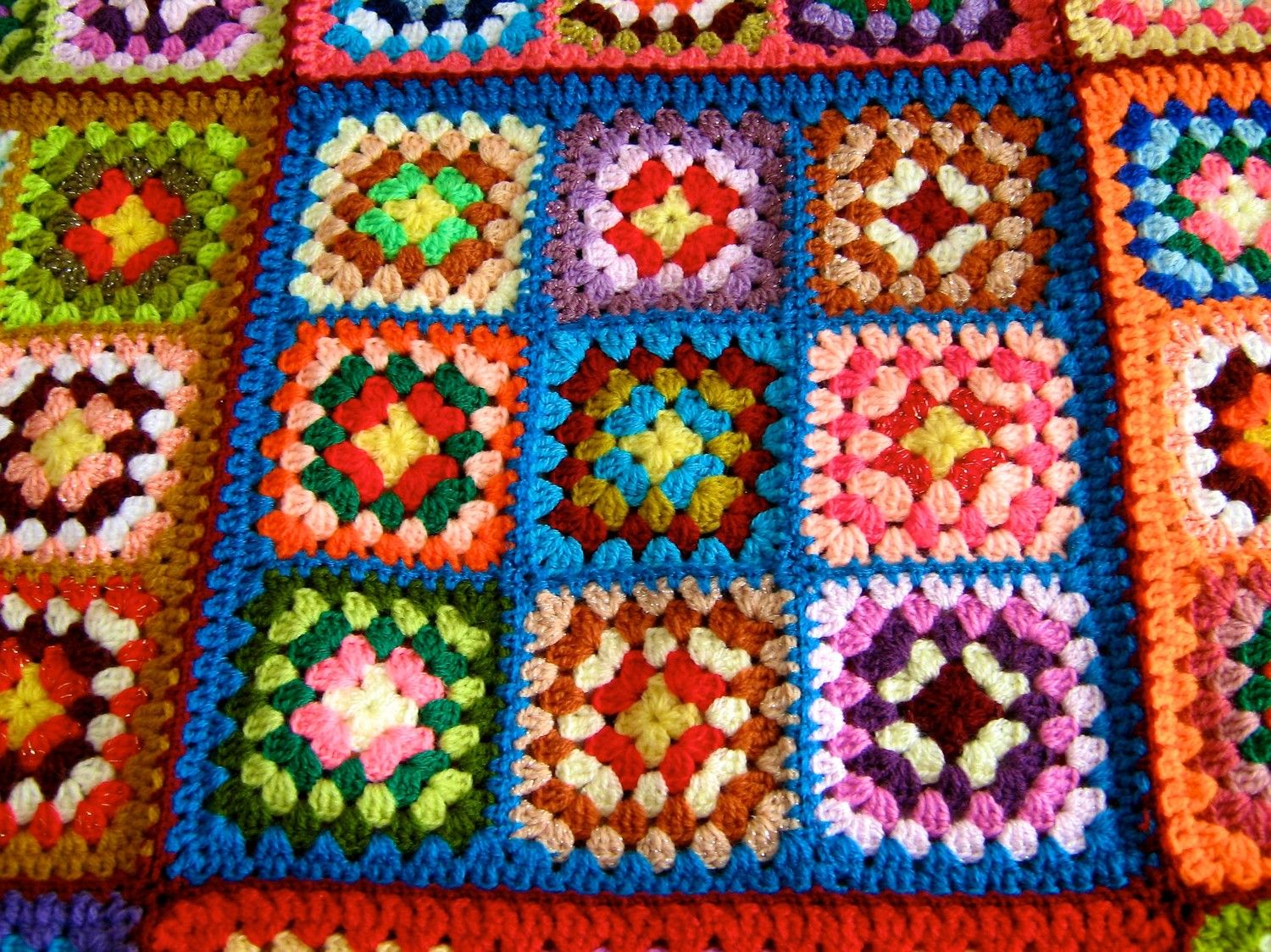
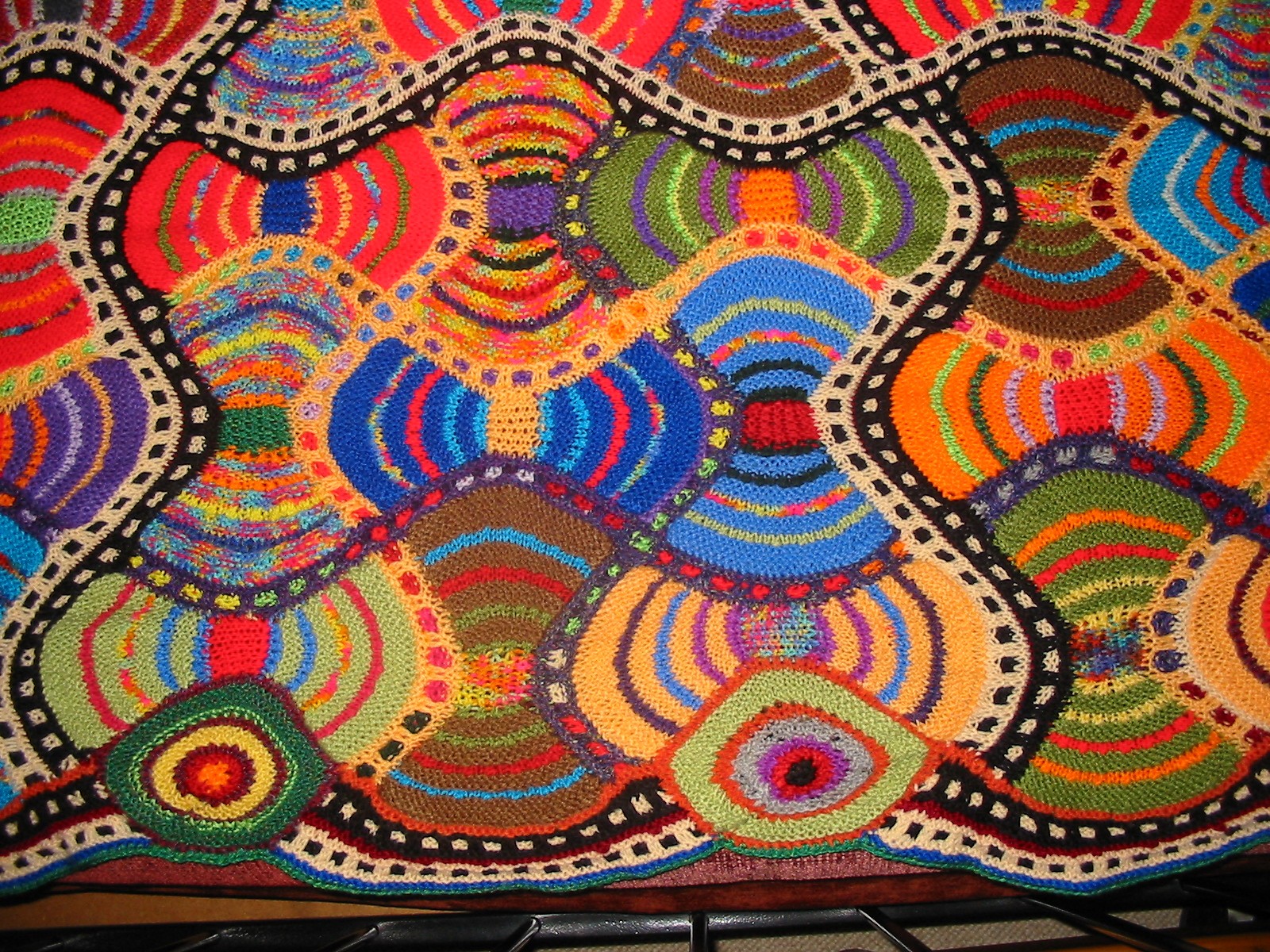
- knitting from fragments of various shapes - squares, triangles, polygons, circles;
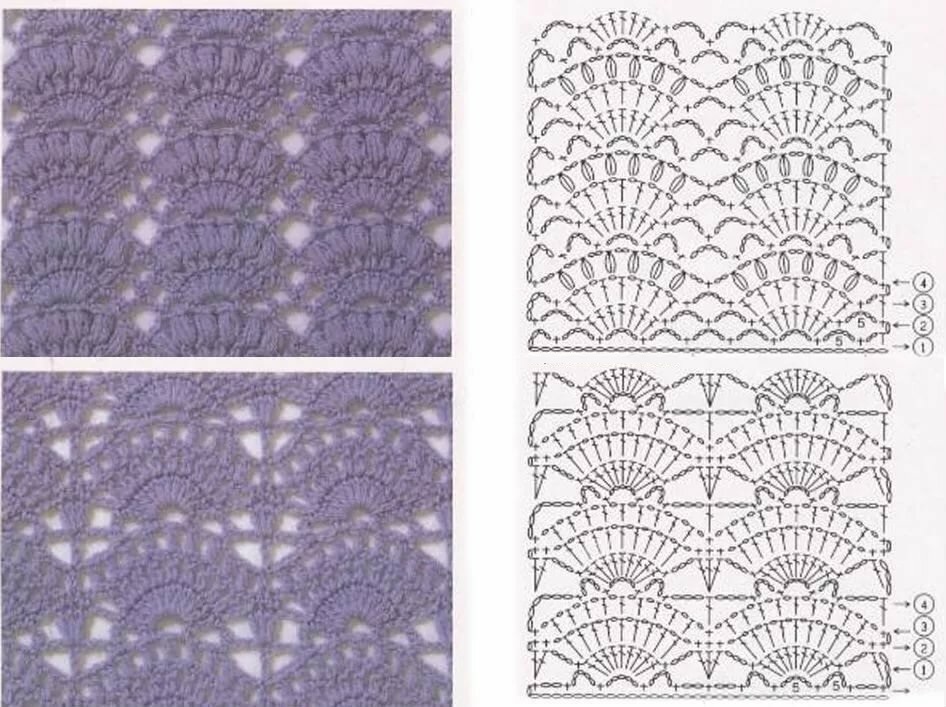
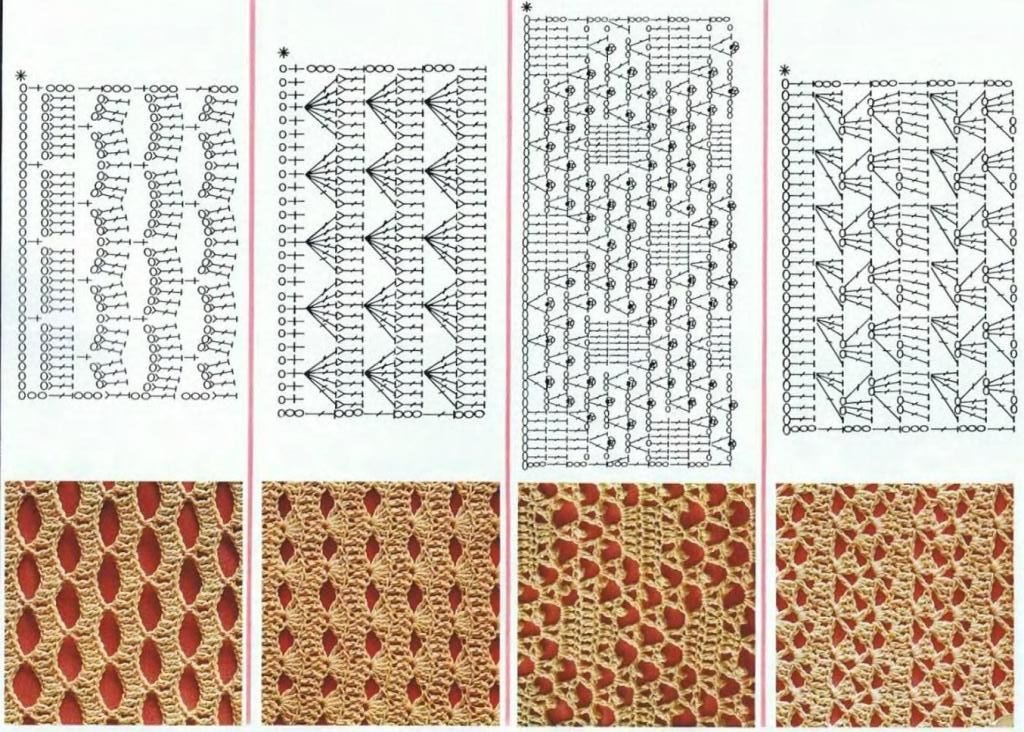
- simple openwork patterns - fans, pineapples, spiders.
A high-level craftswoman will be able to handle complex and unusual options:
- jacquard fabric with a multi-colored pattern;
- complex openwork ornaments;
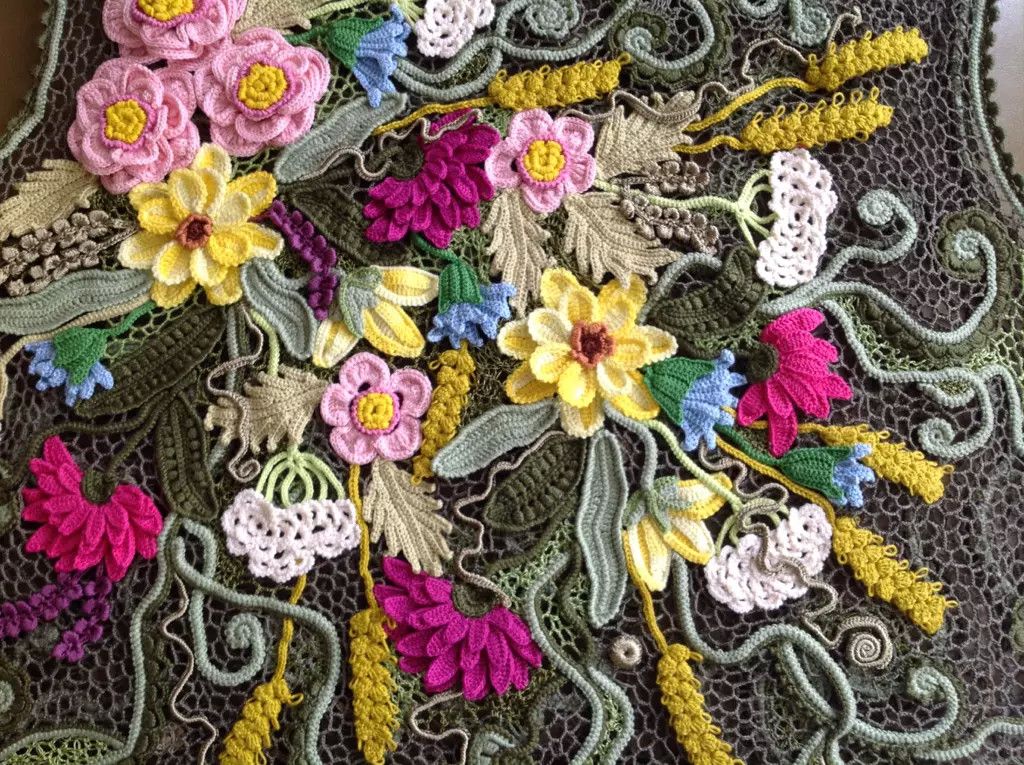
- Irish lace made from motifs sewn onto a base;
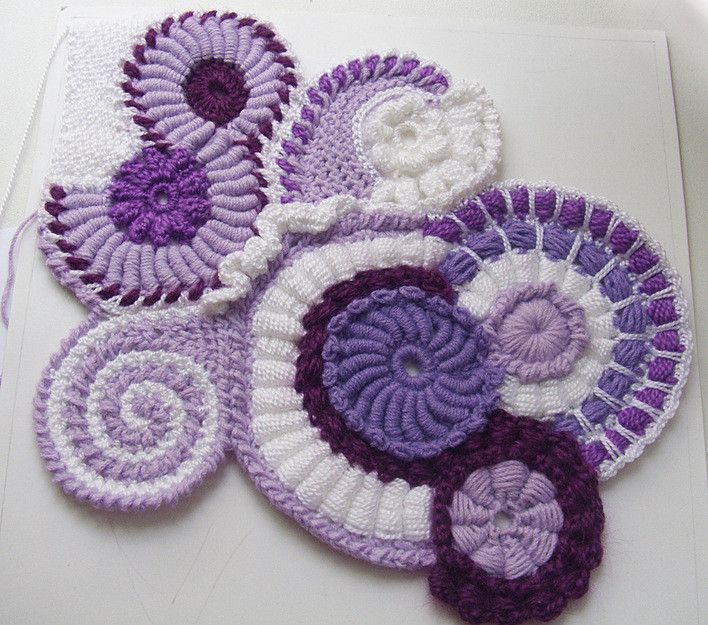
- freeform - a combination of motifs of different shapes and sizes, ribbons, beads and other decorative elements in one piece;
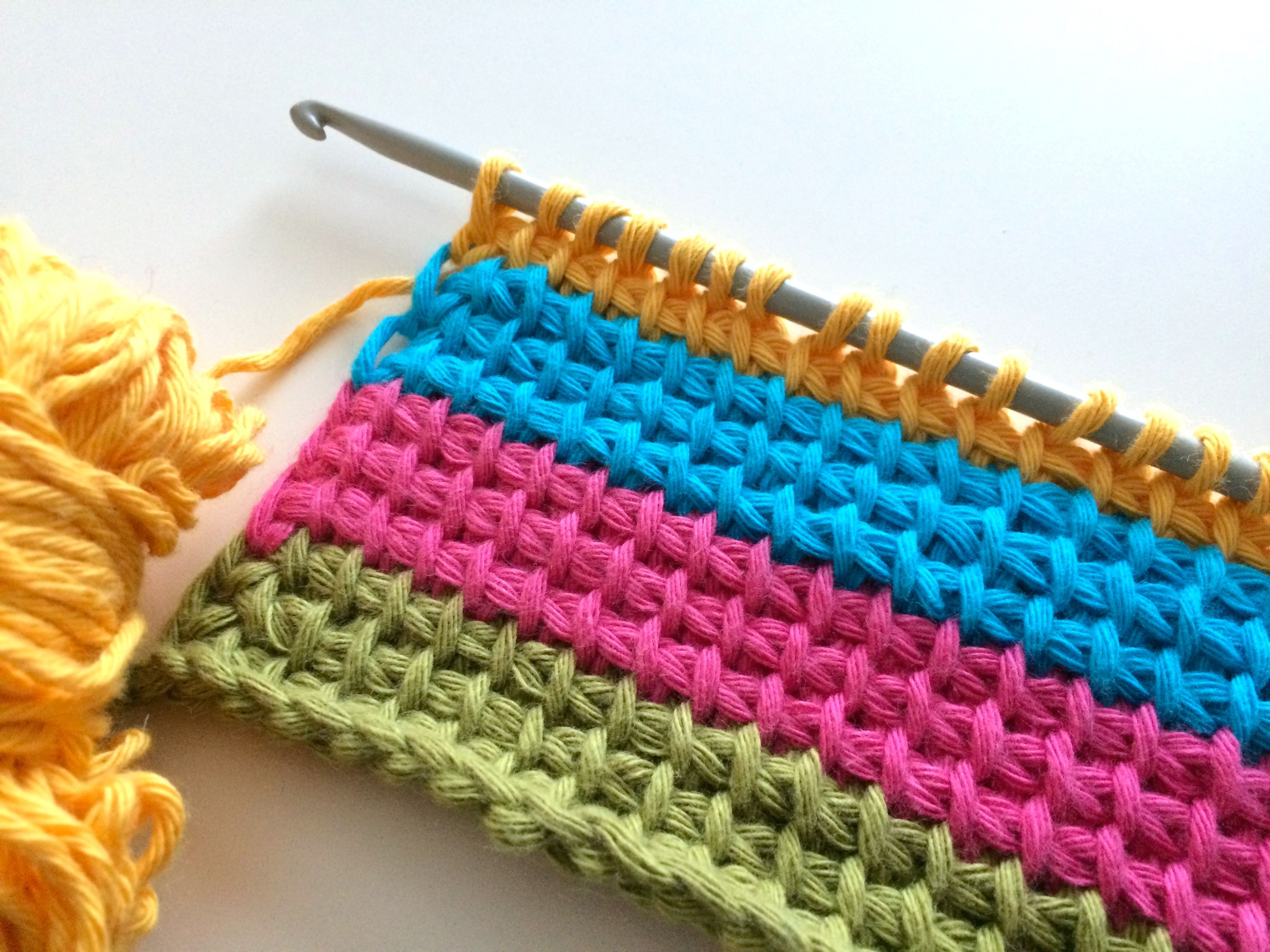
- Tunisian - crocheting with a long hook without turning the fabric;
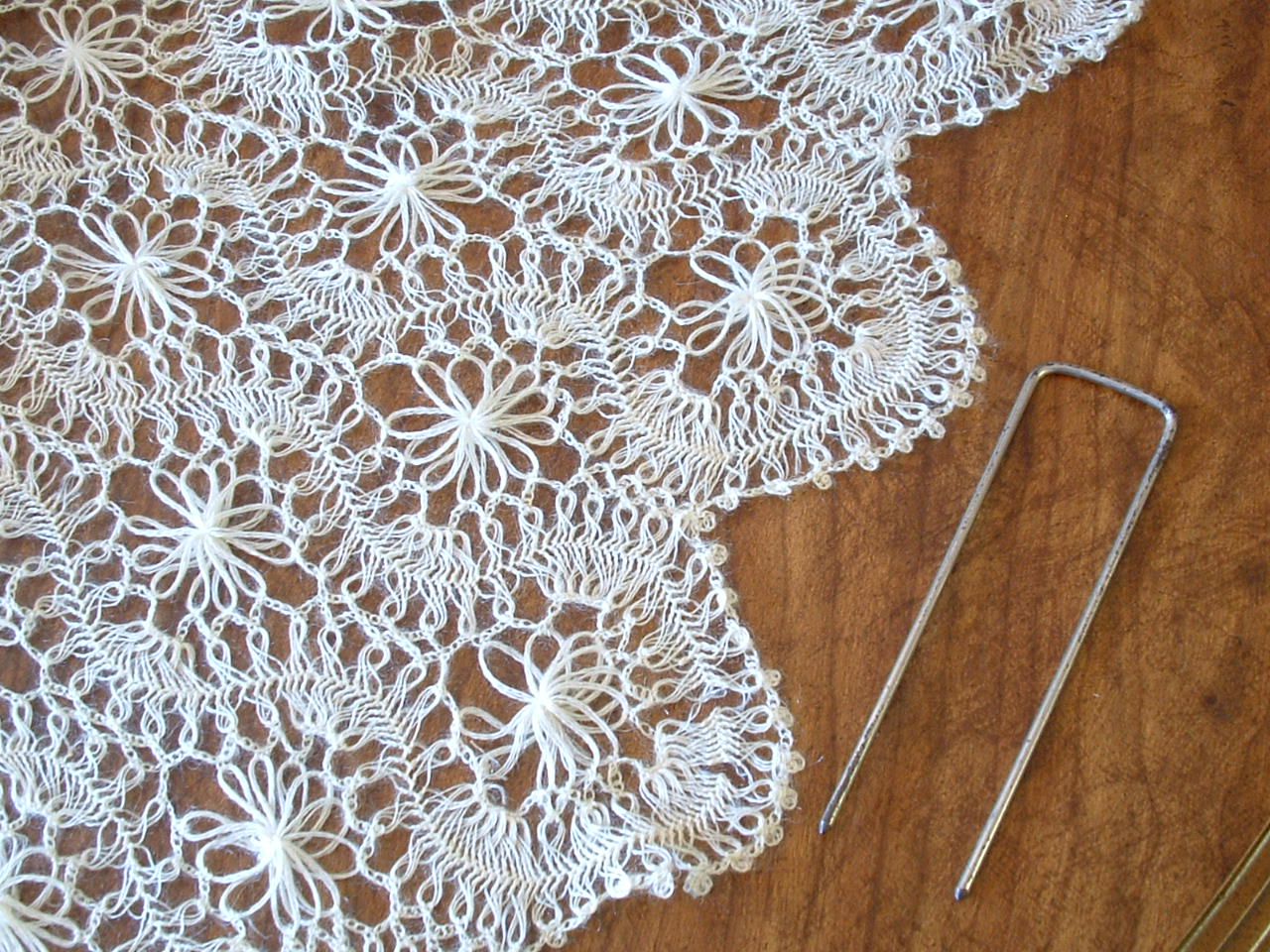
- on a fork - an openwork technique using a special device for elongated loops.
Knitting techniques can be combined to create a unique and stylish item.
Measurements and calculations
Patterns and descriptions of various models of crochet coats for adults and children usually contain a ready-made pattern that can be adapted to an individual size. The process consists of several steps:
- taking measurements;
- knitting and processing of the sample;
- counting loops and determining knitting density;
- pattern adjustment.
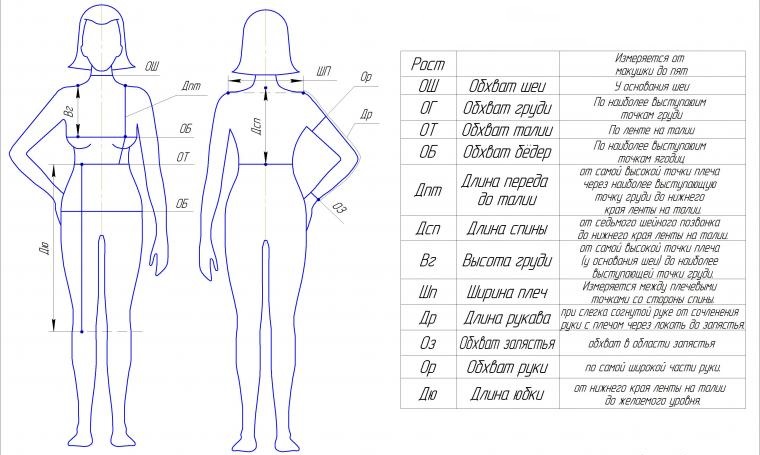
The measurements are taken using a measuring tape. The following dimensions are recorded on paper:
- ОШ — neck circumference at its lower part;
- OG - chest circumference (measured at the protruding points of the chest and shoulder blades);
- OT — waist circumference (important for fitted models, measured at the narrowest part of the figure);
- OB - hip circumference at the widest part;
- OR - upper arm circumference, near the armpit;
- Wrist circumference (for models with long sleeves that taper towards the bottom);
- DL - shoulder length (distance from the base of the neck on the side to the shoulder seam);
- DR — sleeve length (measured from the shoulder seam through the elbow to the bottom of the sleeve, the arm should be half-bent);
- DT — length of the product to the waist (for fitted models, the distance from the base of the neck to the waist line at the back is measured);
- DI is the total length of the product (the distance from the base of the neck at the back to the edge of the hem).
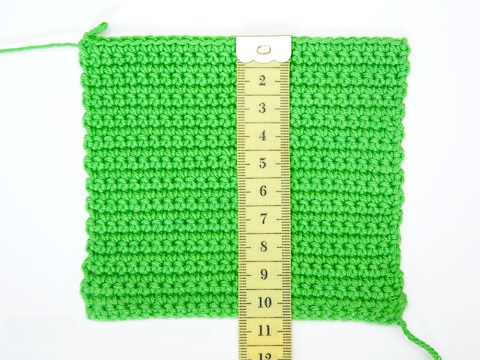
For a loose fit, add 6 cm to the girth measurements. To create patterns, half-girths are usually used, that is, the resulting number must be divided by 2. The sample is knitted from the selected yarn in the technique that will be used for the coat. A fragment of 10 x 10 cm is enough. The knitted sample must be wetted, dried, and slightly steamed.
Then you need to calculate how many loops and rows there are per 1 cm of knitting. Based on this, the number of loops that need to be cast on for knitting and the number of rows to the desired length of the product are calculated. Thus, the pattern changes depending on the size and individual features of the silhouette. Now you can knit a coat according to it that exactly matches the figure.
Step-by-step master class on knitting popular models
Patterns and descriptions in master classes will help to create simple stylish coats with a crochet hook. Models of an elongated silhouette will suit women of any age and build. They visually stretch the figure, making it more graceful. A fitted style will suit a slender girl, for plump women it is better to choose a loose cut.
Conventions used:
- VP – air loop;
- LP – air lift loop;
- ССН – double crochet;
- SC – single crochet;
- CT – regular column;
- СС2Н – double crochet.
Summer openwork
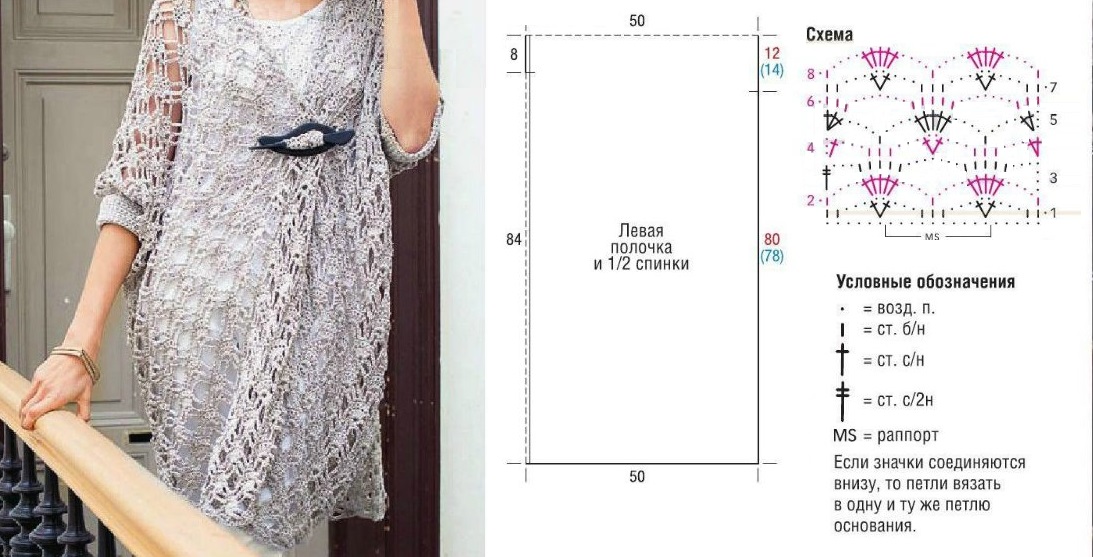
The openwork cape coat is knitted in one piece. Threads with a density of 180 m per 100 g are suitable for it. The yarn composition is 50% cotton, 50% polyester. The number of loops is indicated for size 42-46.
We start the work by knitting the left shelf. To do this, you need to dial 150 VP, then knit a pattern of diamonds:
- 1 VP, 2 ST, 3 VP, DC in the fourth loop from the hook, 2 VP, DC in the same loop, 3 VP, 3 ST in the 4th, 5th, 6th loop from the hook. Knit in this way to the end of the row.
- 1 VP lift, 1 ST, 4 VP, 5 CCH into the arch of 2 VP, 4 VP, ST into the middle column of the previous row.
- 4 VP, 3 VP, 5 SC in the dc of the previous row, 7 VP. Finish the row with 3 VP and dc2.
- 3 VP, dc in dc2h of the previous row. Then repeat 3 VP, 3 dc in the middle columns of the previous row, 3 VP, dc in the middle loop of the arch, VP, dc in the same loop. Finish the row with 3 VP and 2 dc in its last loop.
- 3 VP, 2 DC in the first loop of the row, 4 VP, DC in the middle DC of the previous row, 4 VP, 5 DC in the arch of 2 VP. Finish the row with 4 VP, 3 DC in the last loop.
- VP, 3 SC, 7 VP, 5 SC. End row with 3 SC.
- Repeat rows 1 through 6.
When the fabric reaches 100 cm in length, put the knitting aside and repeat the entire process for the right shelf. Then knit both fabrics together until the product is 184 cm long. After that, fold in half and mark the middle of the side edges. Set aside 14 cm from the middle points on both sides. These are the locations of the cuffs. They are knitted with single crochet stitches, 12 cm wide. Then the cuff and side seams are connected. The openwork cape coat is ready.
From squares
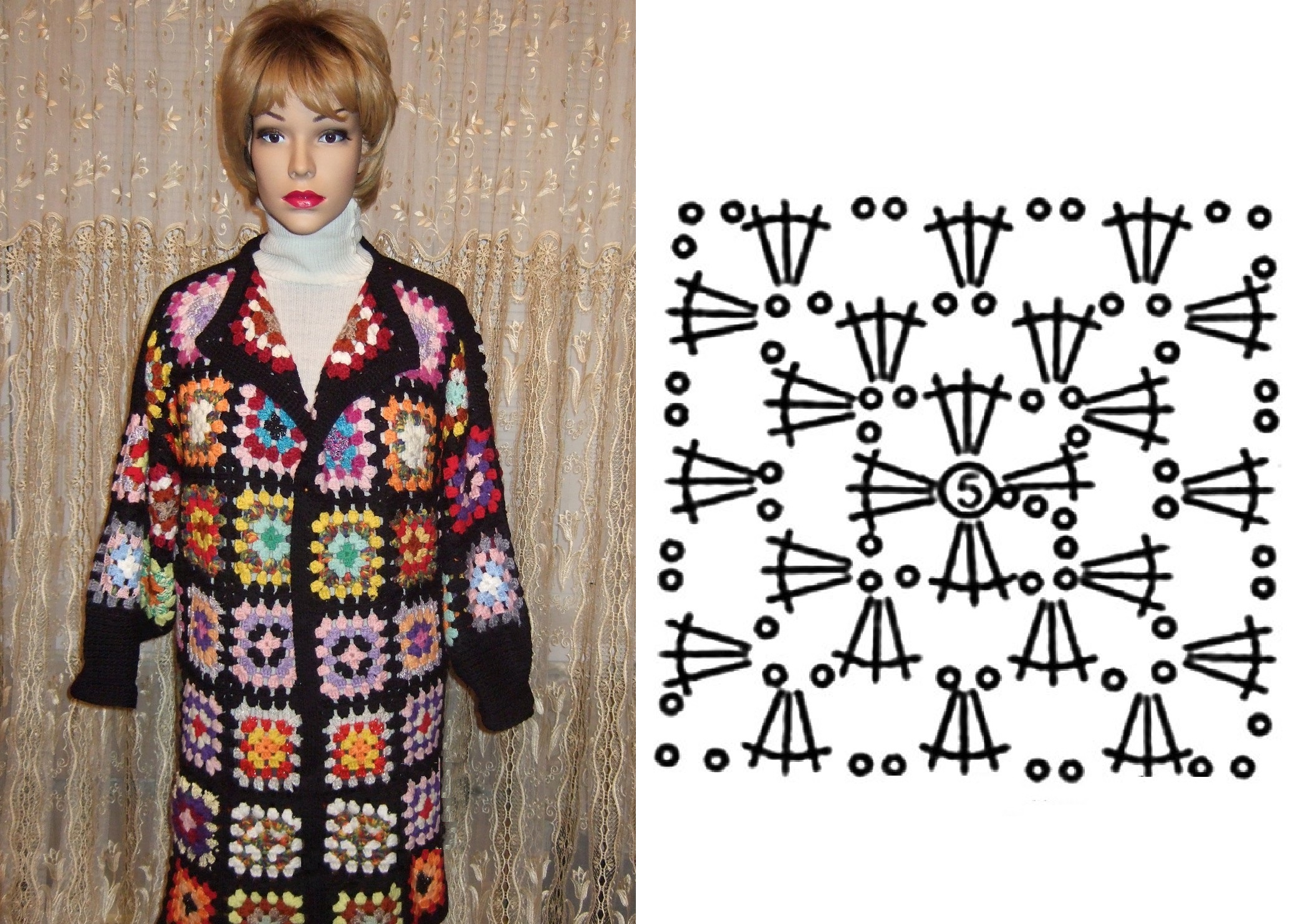
Knitted coats from motifs can be created by novice craftswomen. The product can be assembled using pre-made square fragments in two or more colors.
Square motif diagram:
- 5 VP close into a ring.
- 3 VP, 3 VP, 3 CCH, 3 VP, 3 CCH, 3 VP, 3 CCH, 3 VP, 2 CCH.
- In the corner arches of 3 VP, 3 CCH, 3 VP, 3 CCH are knitted. Between these groups, 2 VP are knitted.
- The corners are knitted similarly to the previous row. In the arches of 2 VP make 3 CCH.
The number of rows of the square is determined individually. When crocheting a coat for a girl, their number can be reduced to two.
The product is assembled as follows.
- The shelves consist of 14 squares. The motifs are sewn into a rectangle 2 x 7 pcs.
- The back is formed from 28 squares 4 x 7 pcs.
- The sleeve is sewn from 6 or 8 fragments, depending on its width. Rectangles 3 x 2 or 4 x 2 must be sewn along the short sides. A cuff is formed from one of them. To do this, the edge of the sleeve is tied with double or single crochet stitches, gradually narrowing the diameter of the "pipe".
- The front and back are sewn along the shoulder and side seams, the sleeves are sewn into the armholes.
- If necessary, strips are knitted on the shelves for sewing on buttons.
A crochet coat for a girl can be knitted from bright yarn remnants of the same thickness. The number of prefabricated elements is selected according to individual measurements. For children, it is better to knit items with a small reserve.
Exclusive coat in freeform technique
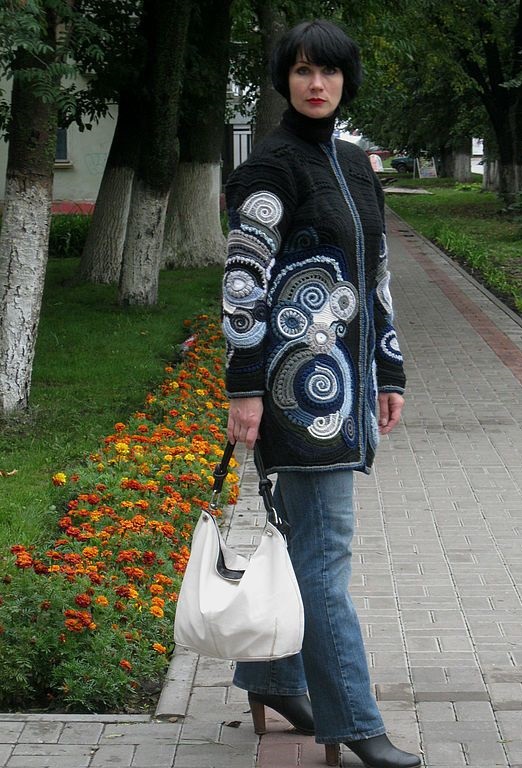
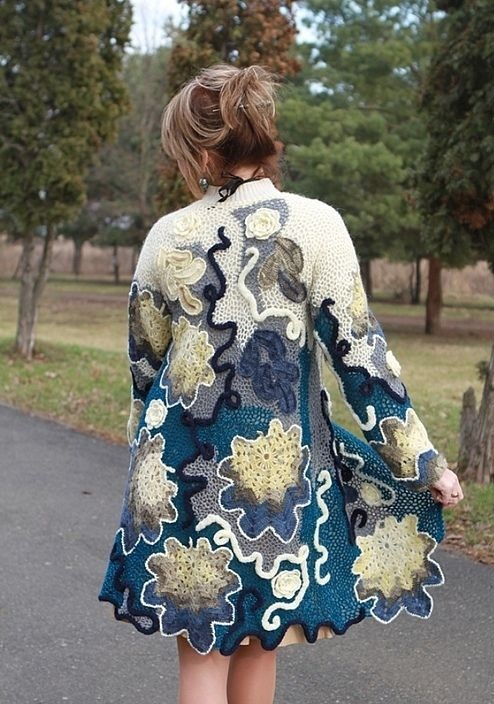
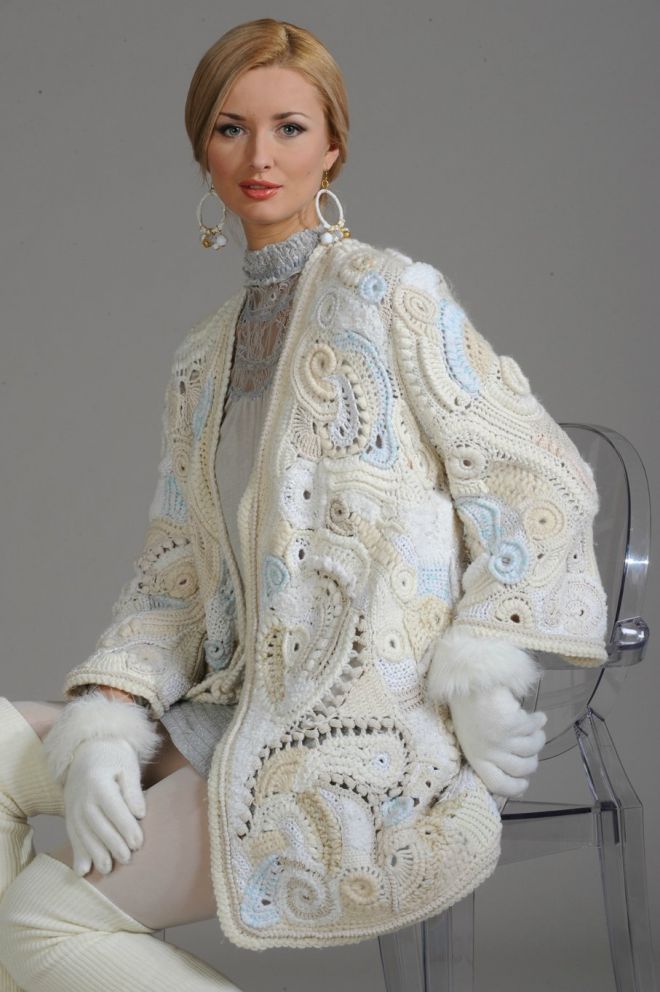
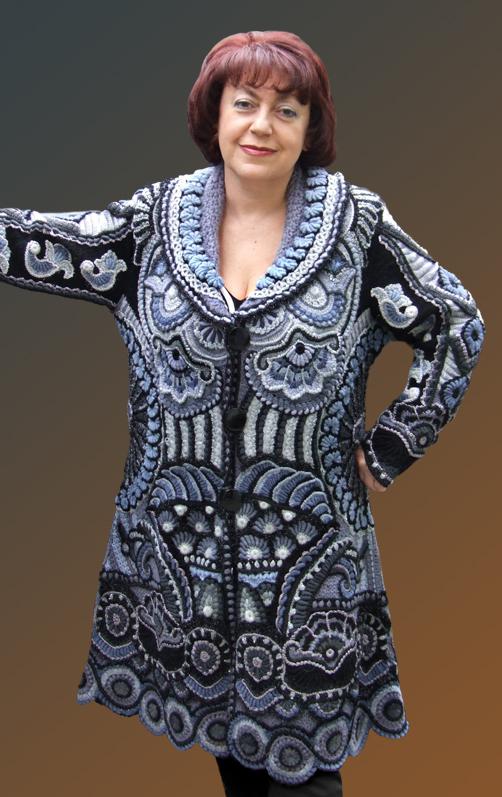
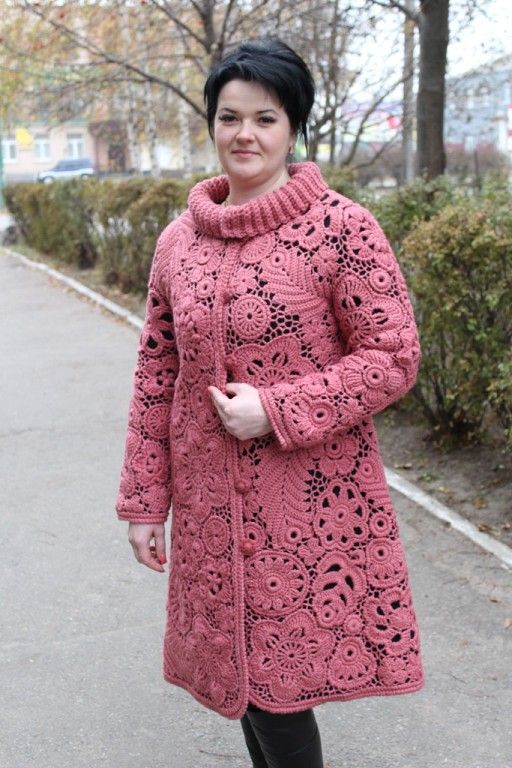
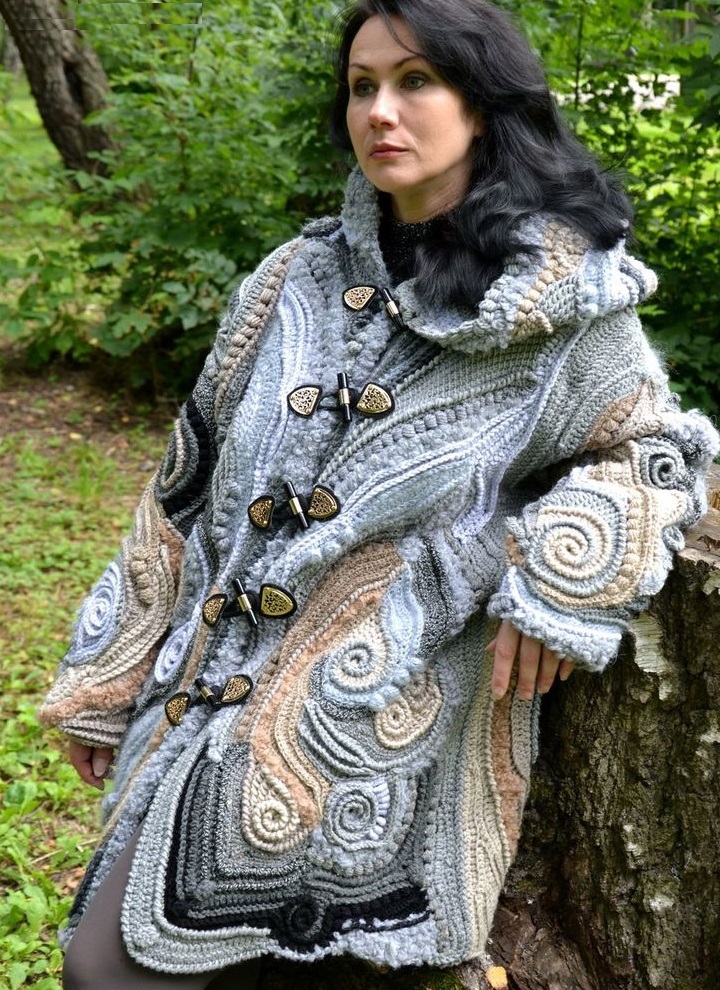
The freeform technique is called knitting without rules. It can be used for both adult models and children's crochet coats. The knitted fabric consists of various elements - flowers, leaves, stripes, circles, curls, connected to each other without a specific pattern.
The technique involves using different types of yarn. The threads are of different colors that match each other. The fabric is formed in two ways:
- The elements are sewn together with a needle or a crochet hook. The spaces between them are filled with filet knitting, decorative darning or small motifs.
- Each subsequent fragment is knitted onto the previous one. The result is a dense fabric without gaps.
Freeform crocheting should be done according to a pattern. For this, use details drawn on paper in natural size. By applying the knitted fragment to the pattern, its outline is formed. In this way, you can knit a coat of any style, with a hood, pockets, fur trim, getting a unique, fashionable thing.
Video