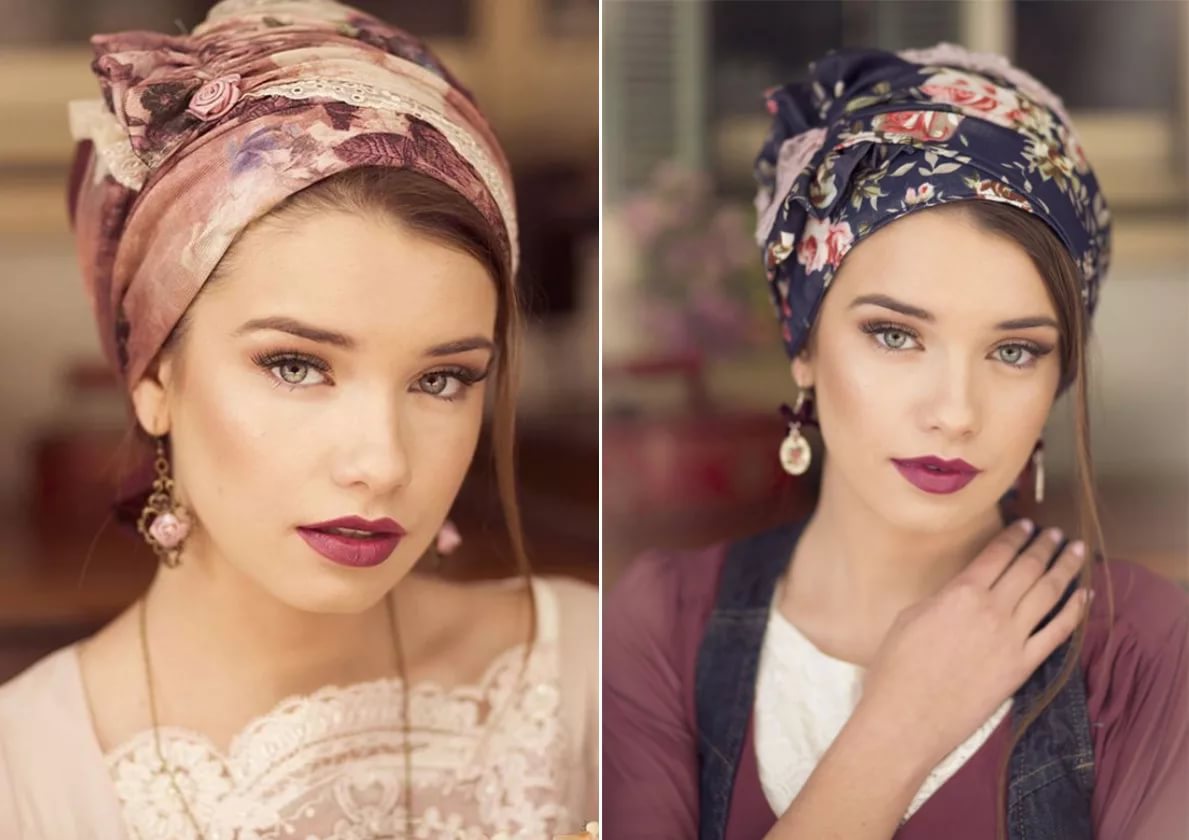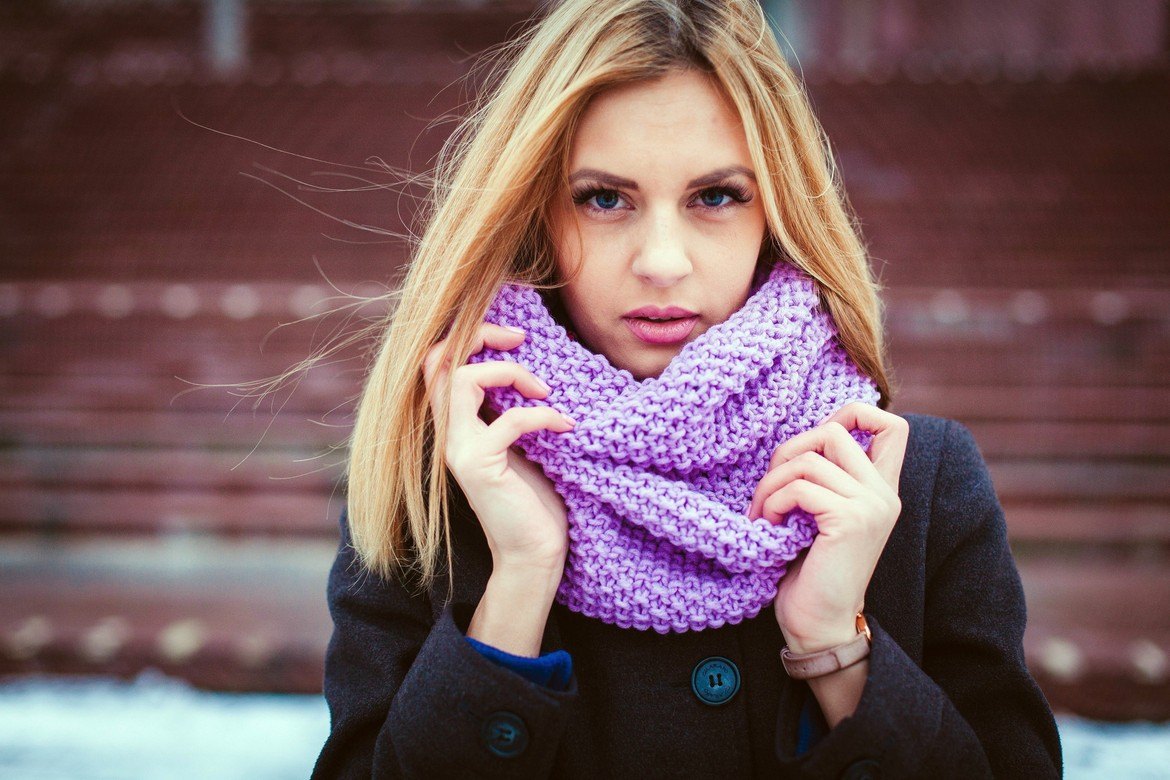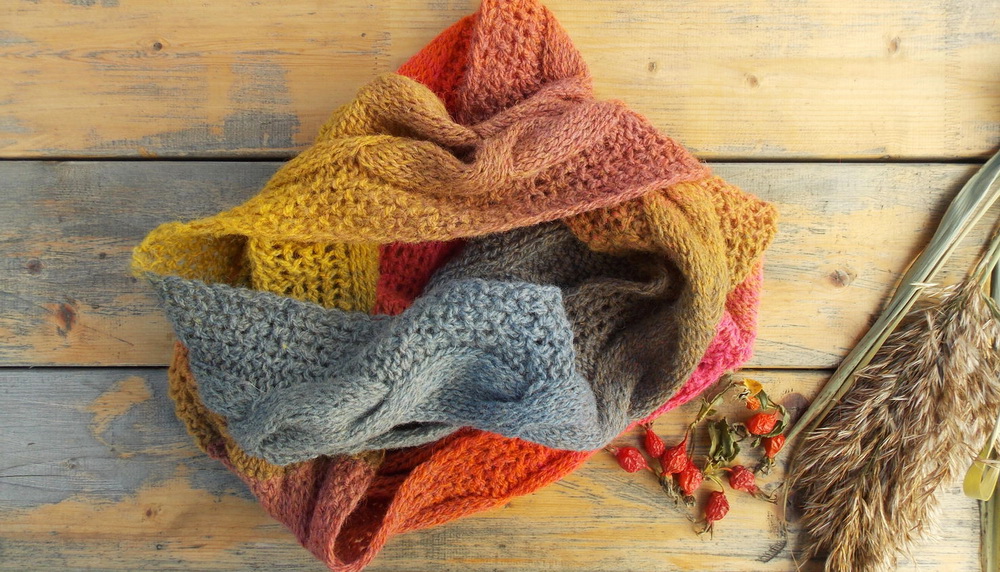
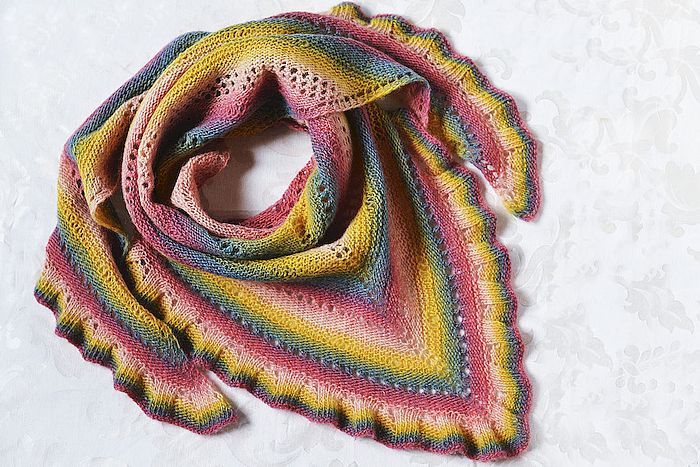
Original, multifunctional scarves are extremely popular among women, men, and children. Stylish products not only reliably protect from the cold, but also help create spectacular, elegant, and bright images. In pursuit of current trends, it is not at all necessary to purchase expensive branded accessories; many models of scarves can be easily made by hand. For example, any craftswoman who knows how to work with the front surface can knit a fashionable baktus with knitting needles. In general, to create this accessory, which has gained popularity thanks to the inhabitants of Scandinavian countries, you can choose a pattern with any pattern. Handwork will in any case be exclusive, emphasizing the individuality and impeccable taste of its owner.
What is the product?
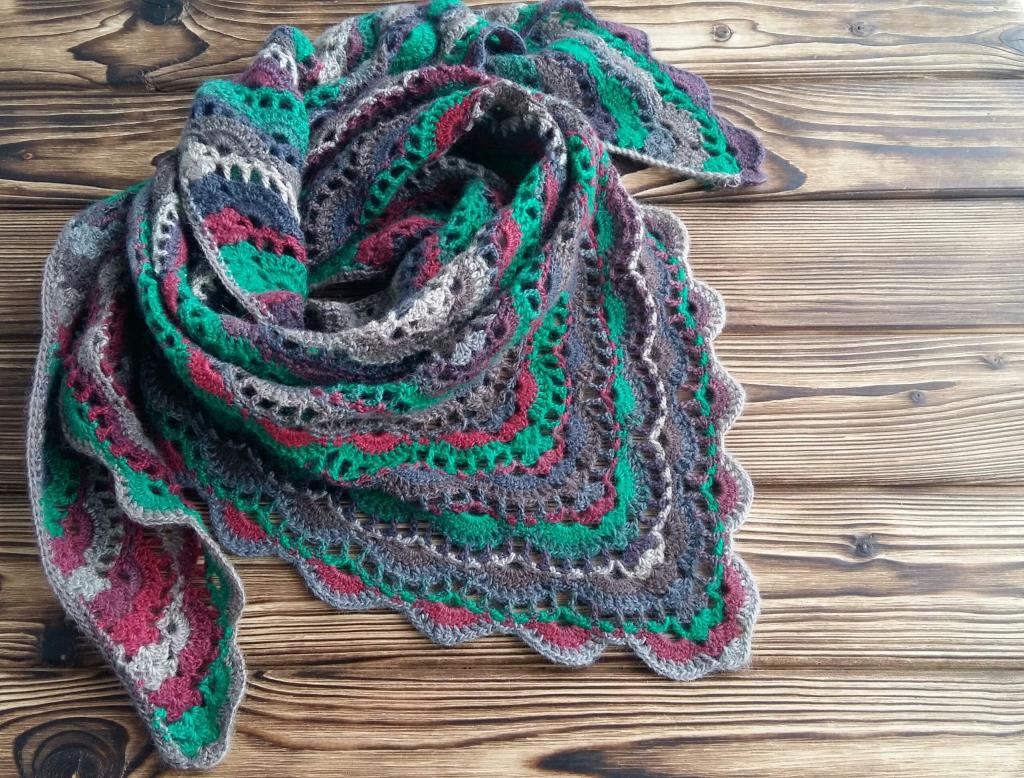
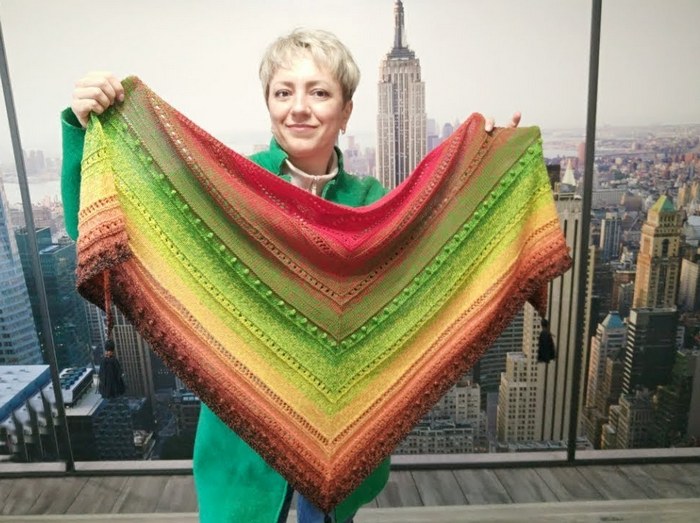
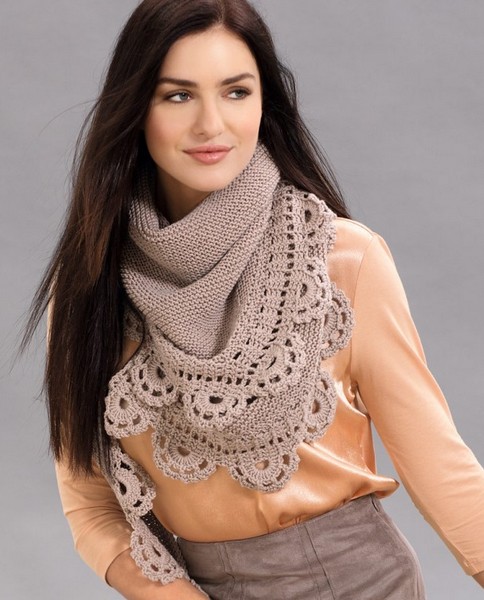
Baktus is a type of scarf, distinguished by its triangular shape. It is often called a neck scarf or shawl. The first to appreciate this accessory were wealthy Danes and Norwegians. Modern products are a fashion trend, their popularity is often called unprecedented. The classic size of the item is 1.2–1.5 meters.
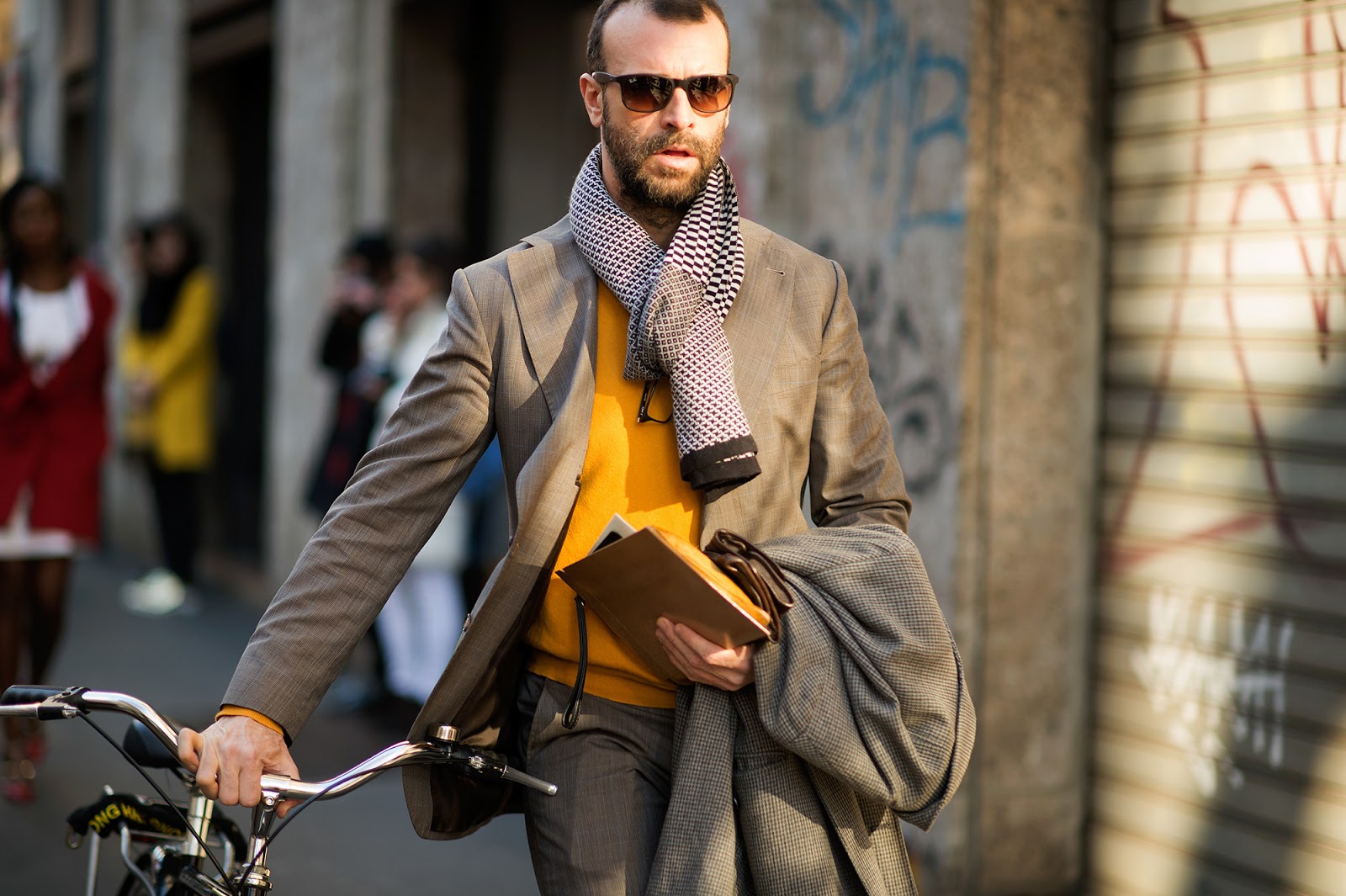
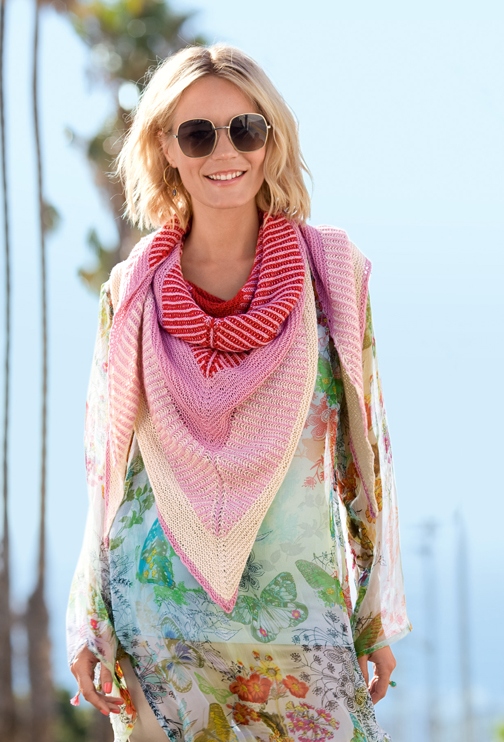
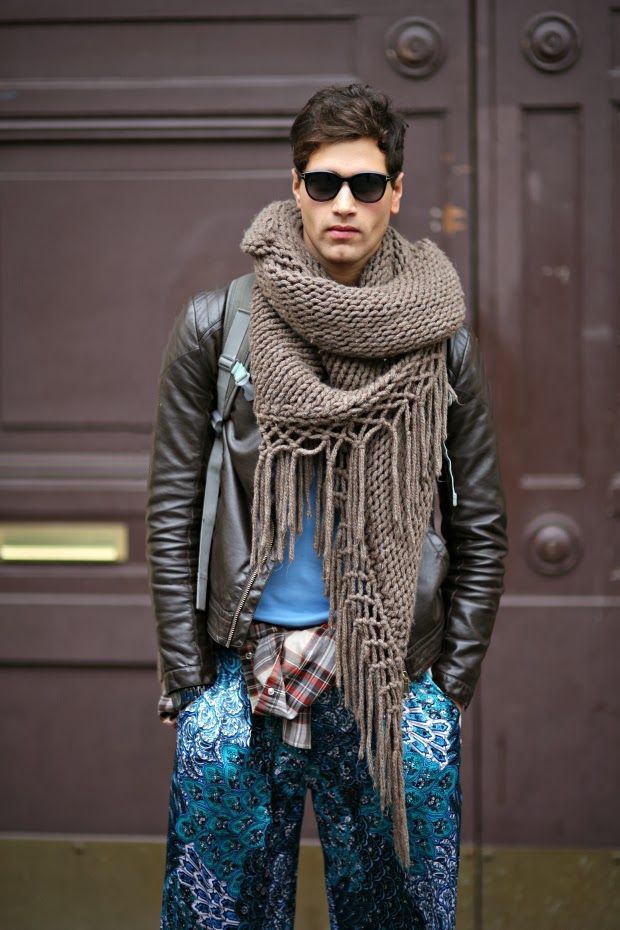
Triangular baktus resemble women's headscarves, but the products are popular not only among the fair sex. Men also actively use such accessories when creating stylish looks.
You can easily knit a baktus yourself with knitting needles - this is one of the advantages of the product. Among other advantages are:
- Versatility. Can be used at any time of the year.
- Practicality. Excellent protection from wind and cold, suitable for everyone, regardless of gender and age.
- Variety of models. There are many styles of this accessory, which allows you to look unusual and stylish in any situation.
- Multifunctionality. The options for using baktus are unlimited. It is tied around the neck, head, belt, thrown over the shoulders or used to fix hair.
- Pair with any wardrobe items. Baktus fits perfectly into most styles: classic, sporty, office, country, boho, casual.
The average length of modern models reaches 150 cm, but can be increased to 200 cm. The width is 25–50 cm, the most convenient parameters to use are considered to be 35–37 cm. The children's baktus has dimensions of 95 x 20 cm.
Materials and tools
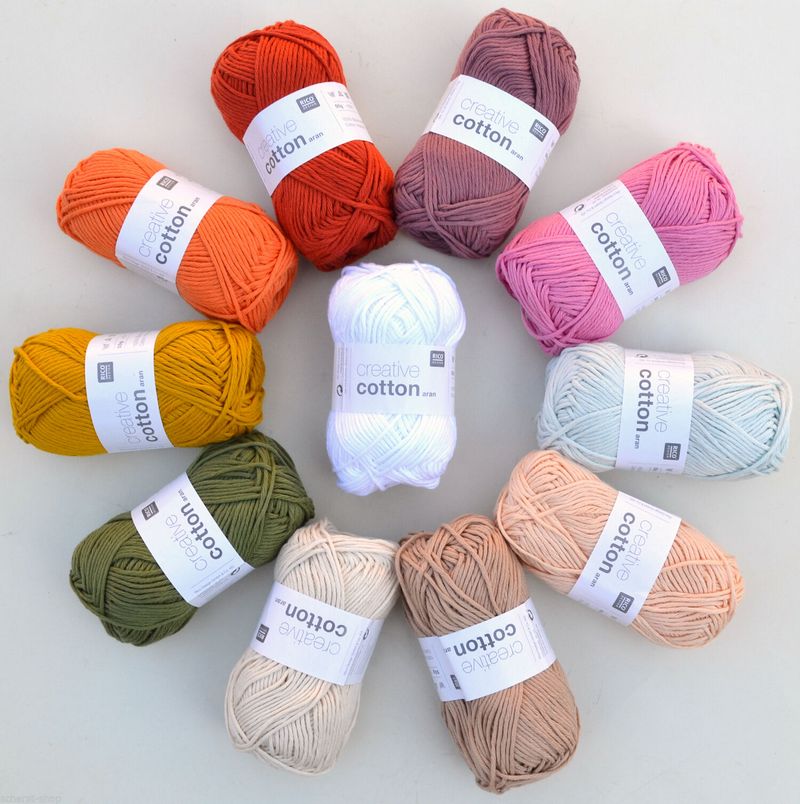
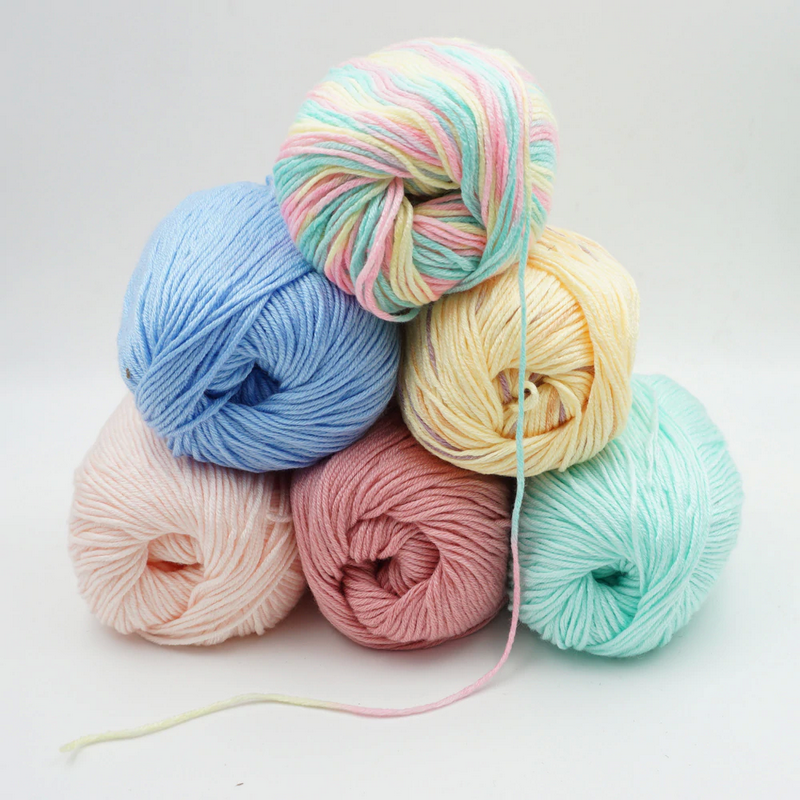
The threads for knitting baktus with knitting needles must be dense and elastic, otherwise the finished product will lose its shape. The yarn is selected depending on the season:
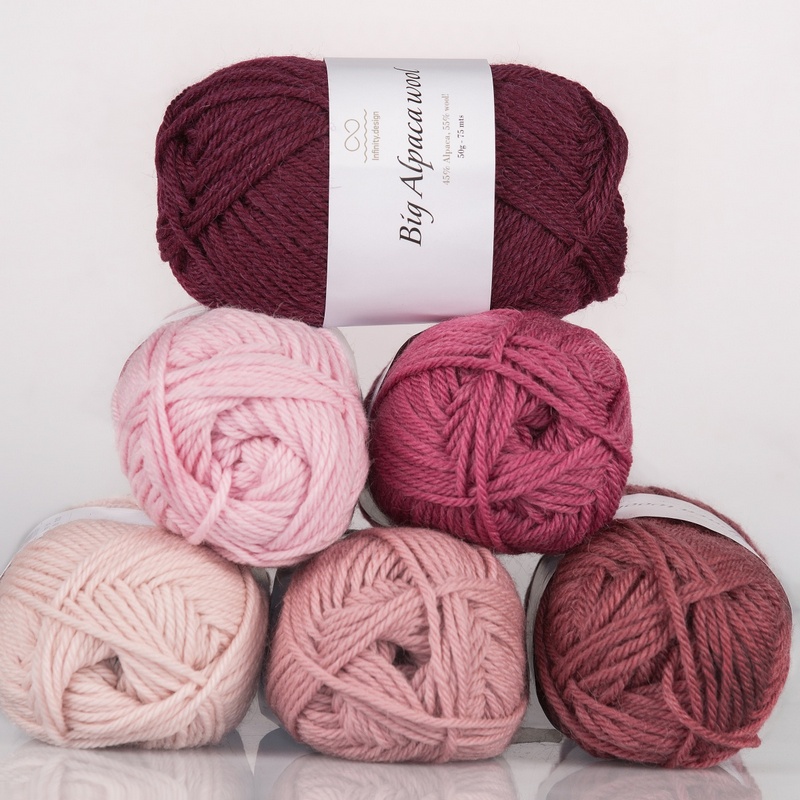
- For winter models, alpaca is suitable, pure or combined with wool. In a skein, it should be even and smooth or fluffy.
- For spring and summer, cashmere, yak, and any blends with merino are selected.
- In summer, a knitted scarf made of cotton or linen is appropriate.
Yarn consumption depends on the size of the product. The optimal footage per 100 g is 250–300 m, knitting needles No. 3.5–4 are suitable. To make a small baktus from threads with a thickness of 1000 m, 40 g will be required per 100 g, a medium one — 50–55 g, a large one — up to 75 g.
Knitting should not be tight so that the fabric is flexible and easy to drape.
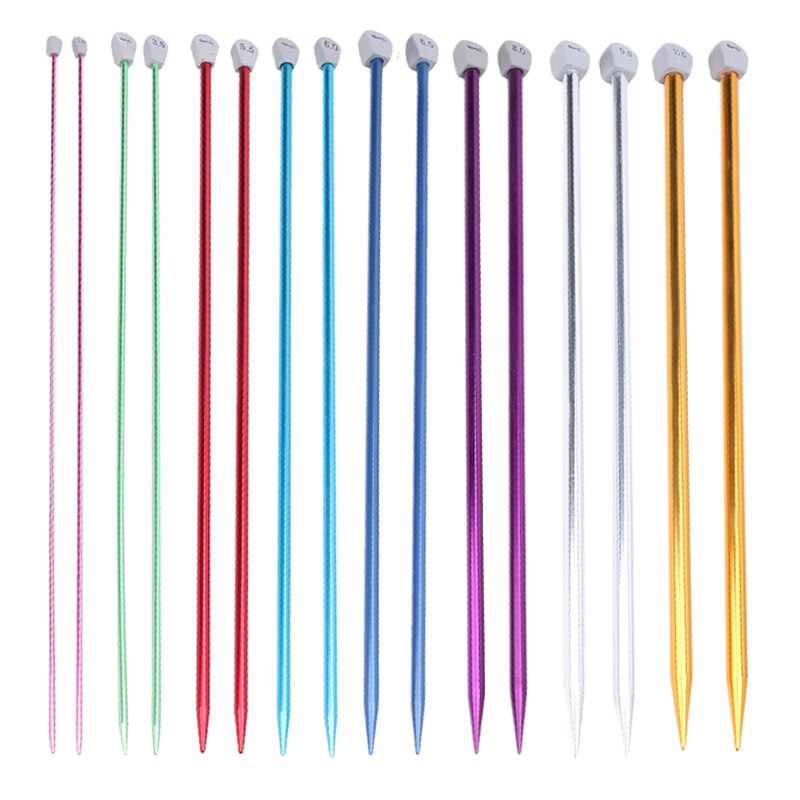
For work you will need knitting needles of the appropriate size, usually straight or circular tools with a diameter of 4 mm are used. A 4.5 mm hook will also come in handy. If desired, it can be used to create a beautiful border, unusual patterns.
Nuances of knitting
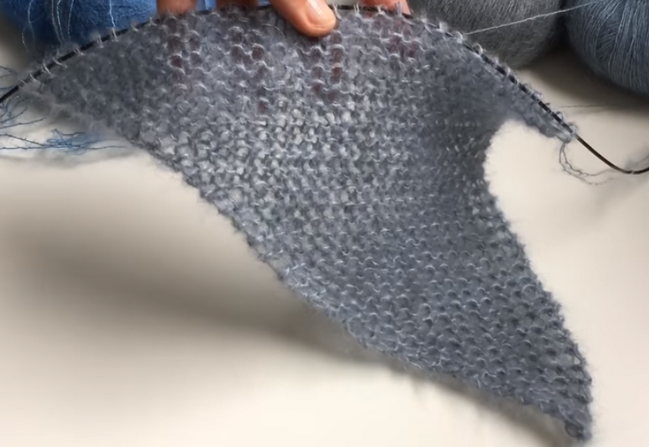
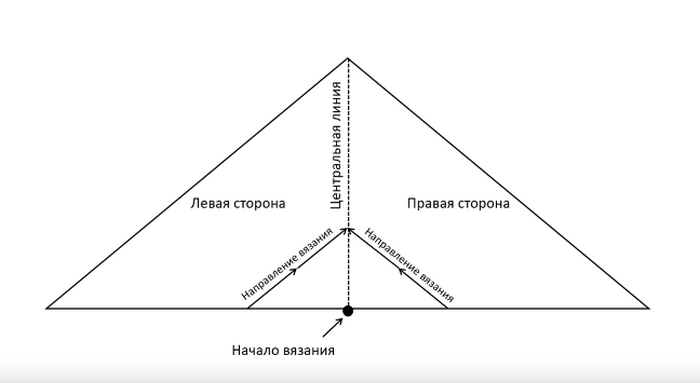
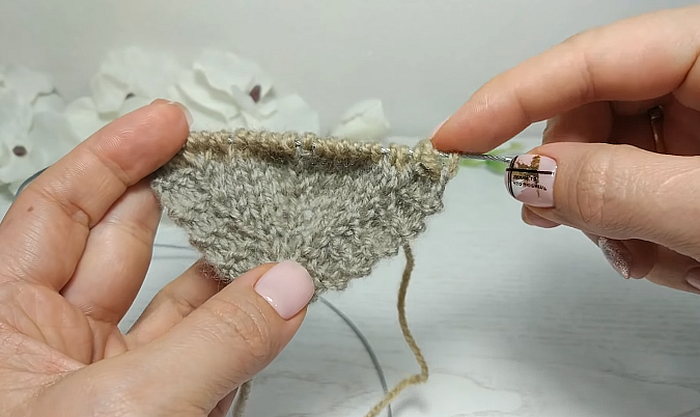
Traditionally, the transverse method is used to knit a baktus. The work begins with one corner, then additional loops are gradually added. This continues exactly to the middle. After this, the loops are reduced in the same way until the product is completely finished.
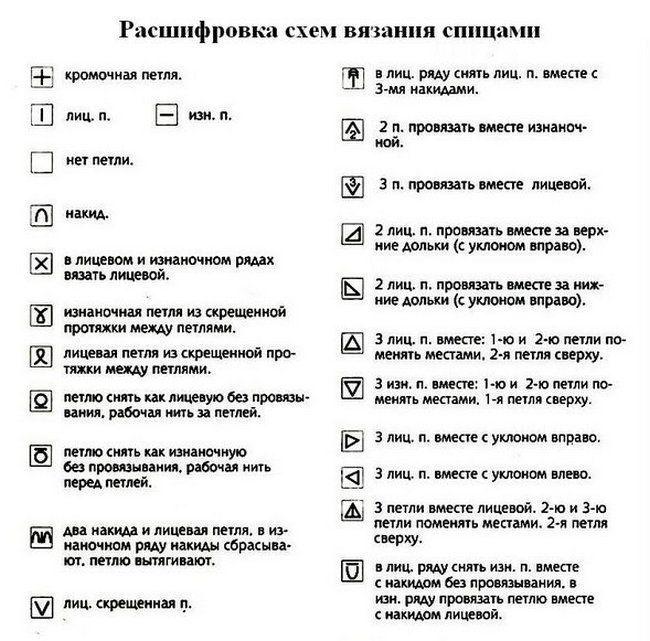
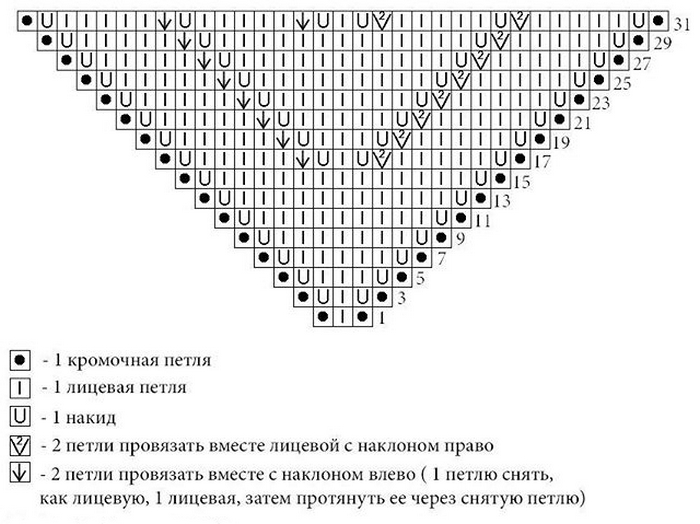
For convenience, it is better to use diagrams that reflect the entire work process. To decipher them, you need to familiarize yourself with the most common symbols:
- plus sign - edge loop;
- vertical line - front loop;
- horizontal line - purl loop;
- tick - front crossed;
- U — one yarn over;
- a tick with a line at the bottom is an increase from the cross thread.
When creating a baktus with knitting needles, knitting should always begin with an acute angle. Regardless of whether patterns are planned on the product, one loop is added in each row, a multiple of four. To keep the fabric even and not twisted, it is necessary to knit the first and last loop with the front one.
For an original design of the baktus scarf, it is enough to remove the penultimate loop in each row without knitting, and make the last one purl. The increase is made on the third loop in the line.
Step by step instructions
Beginner craftswomen sometimes find it difficult to understand how to knit a baktus. Detailed master classes with descriptions will be excellent helpers in solving such a problem. You can make a variety of models with your own hands.
Breakwater
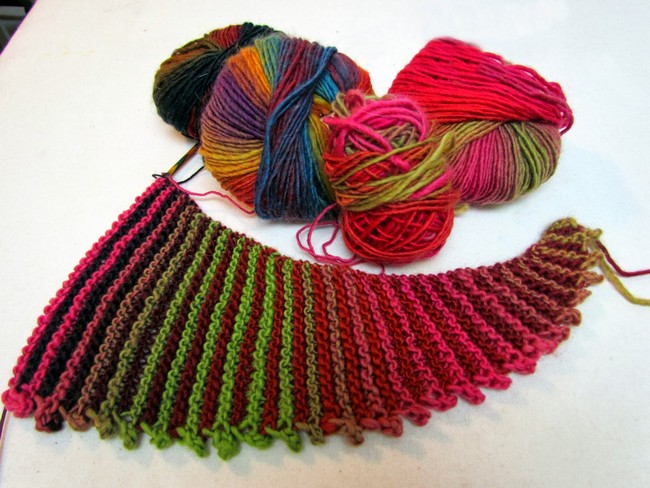
The main feature of this baktus is its original shape. The colors can be muted, monochromatic, melange or rainbow-colored. For production you will need yarn 400 m per 100 g: cashmere, merino, wool. Needles No. 3 or 3.5 are suitable. The actions are performed in stages:
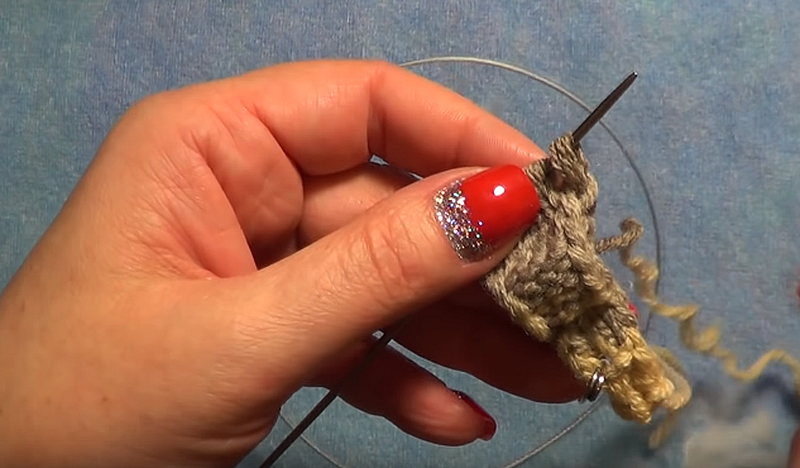
- Cast on 3 loops, knit 6 rows with stocking stitch (front). On the back side, on every 6th row, make a yarn over to increase the width.
- The next 6 rows are knitted with purl stitches, and a yarn over is made in the last row.
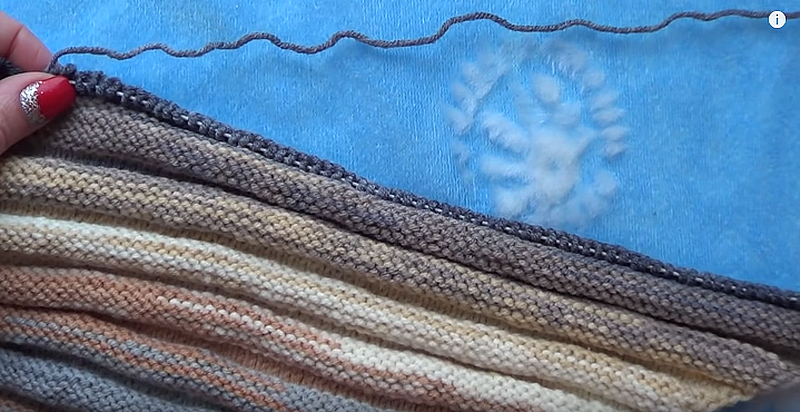
- Every 6 lines, the front and back stripes alternate, yarn overs are added. There will be 37 stripes in total.
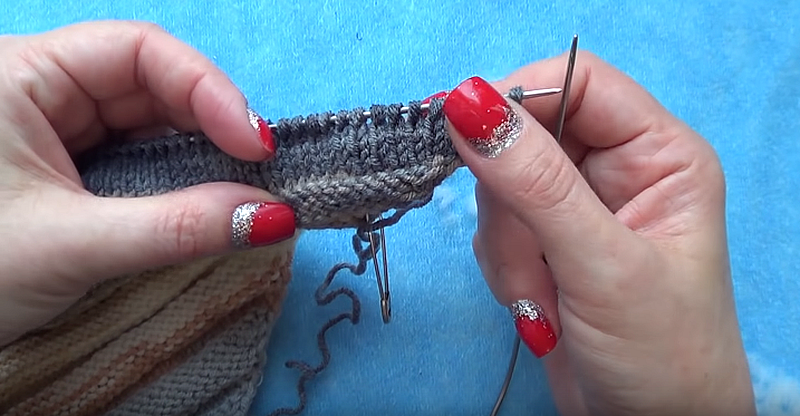
- At the end of every second row, yarn overs are added, at the beginning of every 6th row, one loop is reduced. So we knit 21 stripes.
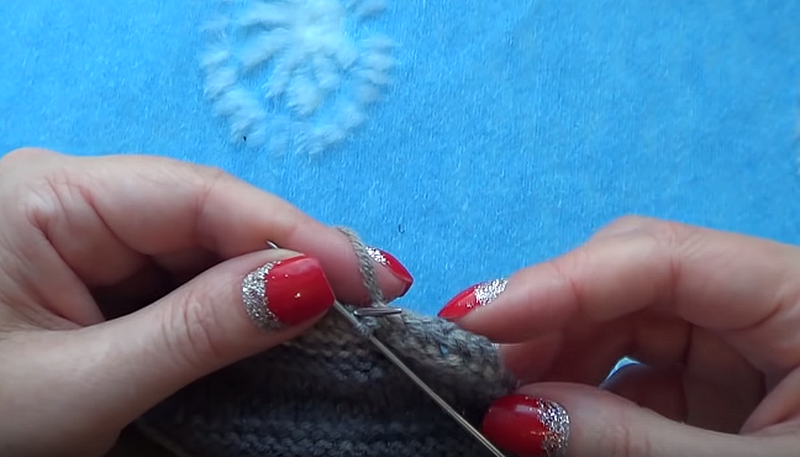
- To form a scalloped edge, decrease 4 stitches at the beginning of every 6th row and decrease 1 stitch on each line. The product begins to curl beautifully into a crescent shape.
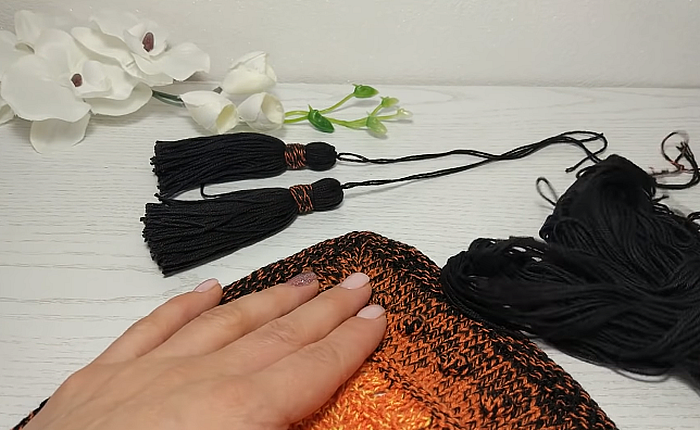
The finished breakwater consists of 72 lines of variable satin stitch. After closing all the loops, the edges can be decorated with pompoms or tassels.
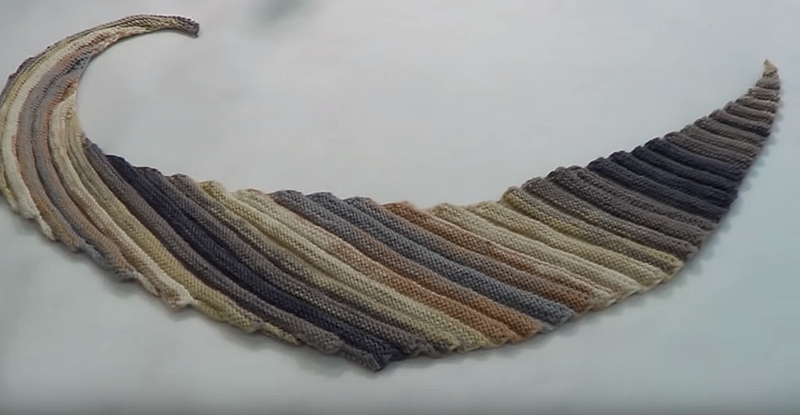
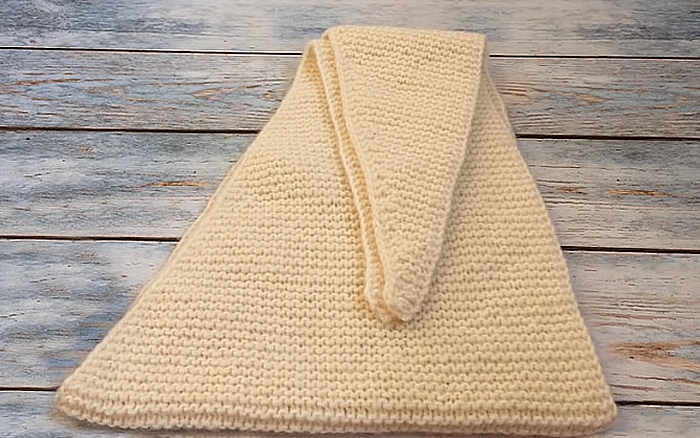
Garter stitch
Suitable yarn for a baktus of this model will be wool or cotton, it all depends on the season. Any colors are selected: bright or pastel, but better plain. The work is carried out in accordance with the step-by-step instructions:
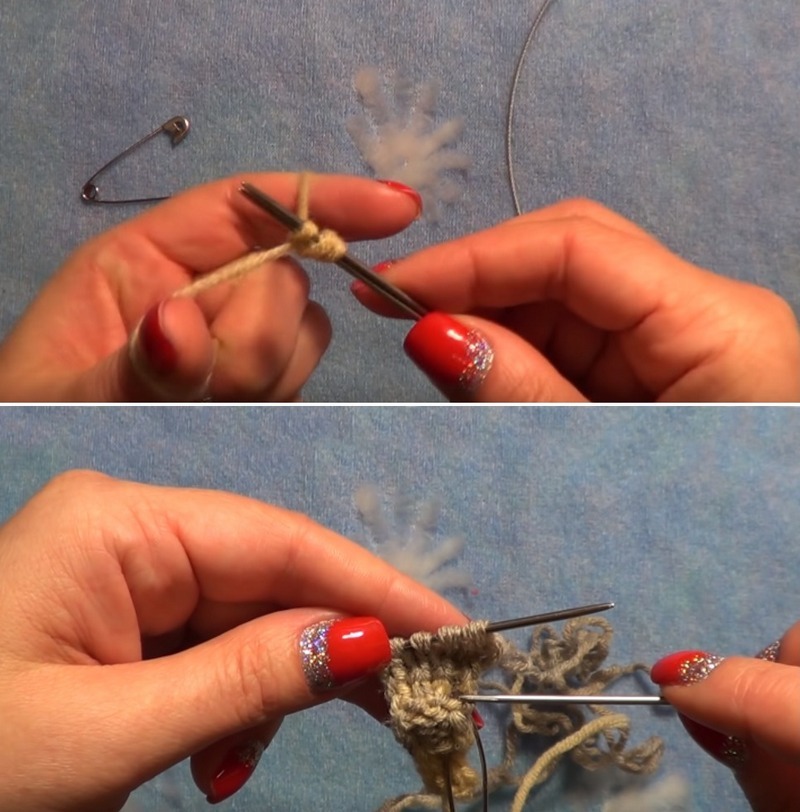
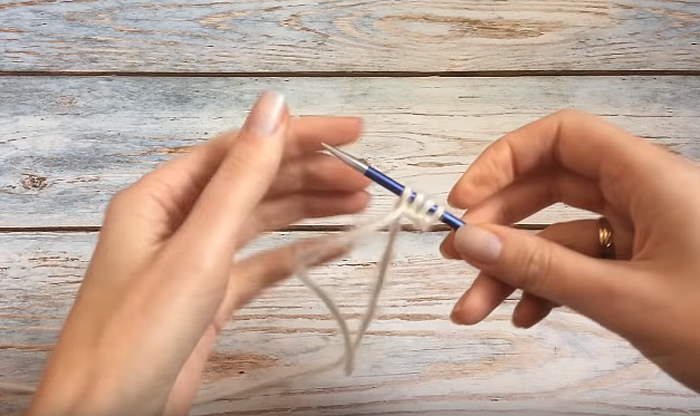
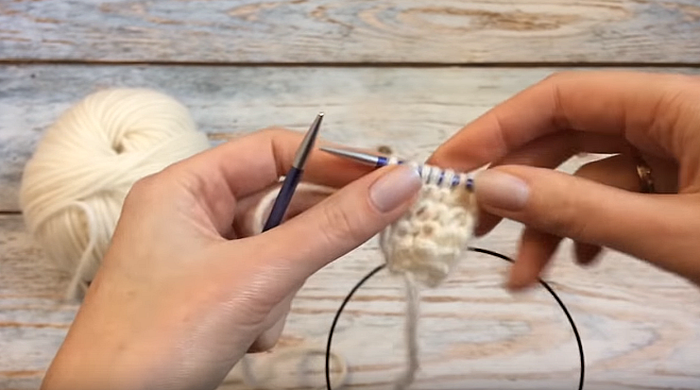
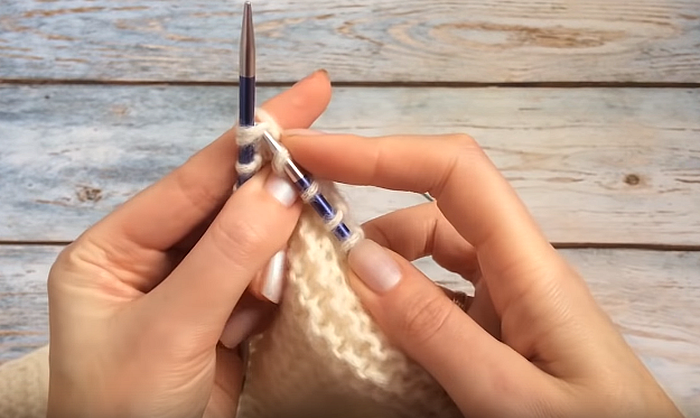
- Cast on 4 stitches. All rows are knitted with garter stitch, including the first and last stitches. This can be either only the front or only the back stitch.
- In the 4th row, a yarn over is made for an increase.
- On the 5th row, use the front loop on the back wall to knit the yarn over.
- On the 8th row, the next increase is performed, exactly the same as in the 4th.
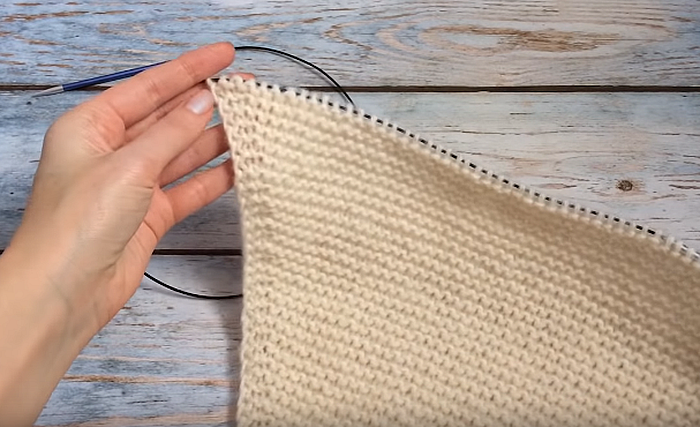
- Increases are made on every fourth strip. The work continues until the optimum width of the product is reached - 30 cm.
- Decreases are done in the same way: in every 4th row, two loops are knitted together.
- The process continues until there are four loops left on the needles that need to be closed.
The pattern is simple and suitable for beginners. If desired, you can decorate the scarf with crocheted spirals.
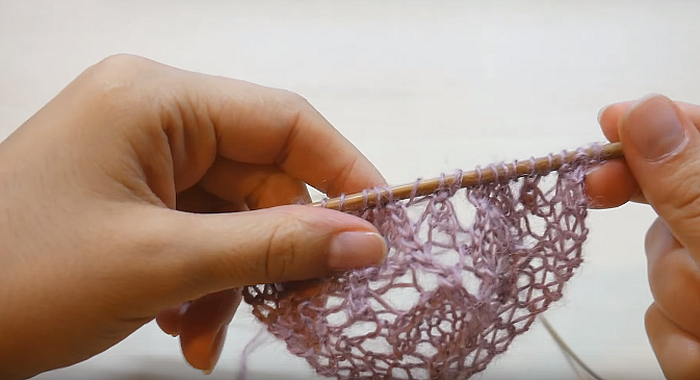
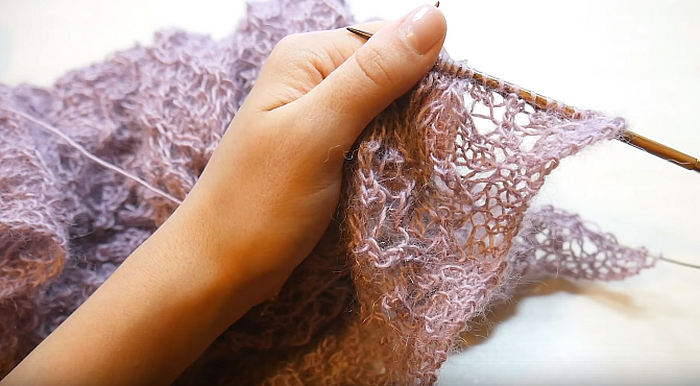
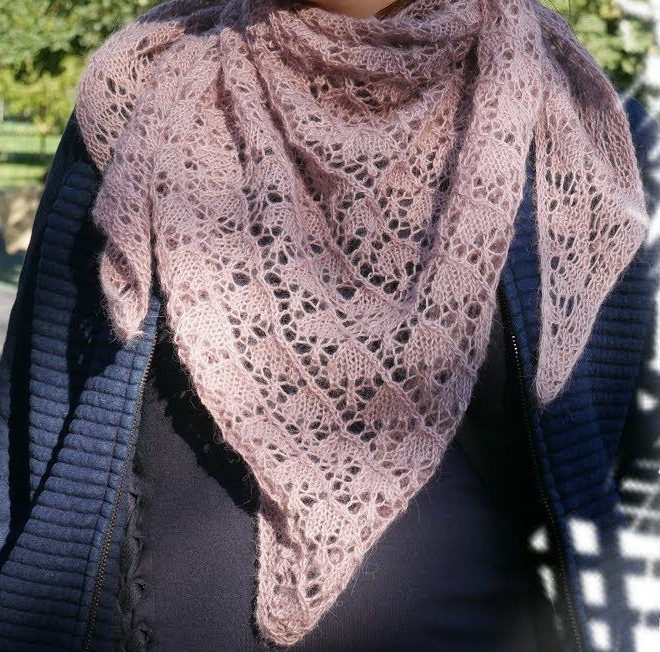
Openwork
To knit an openwork baktus with knitting needles, you will need melange yarn (300-400 g), knitting needles No. 2 or 3, a marker. The product looks most attractive in white or other delicate shades. The master class will help you cope with the work:
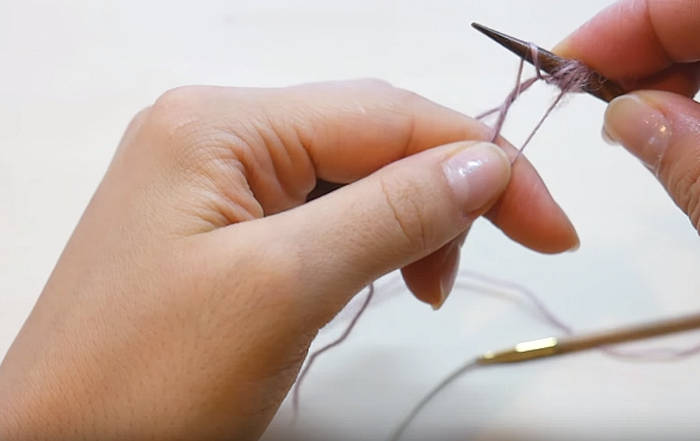
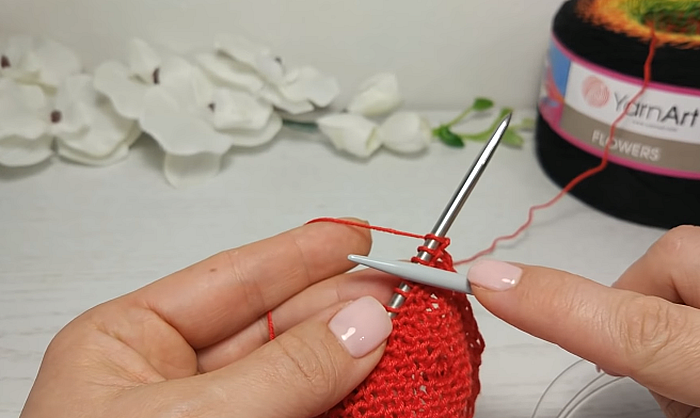
- Cast on 7 stitches on both knitting needles, remove one stitch, and knit the zero row from the wrong side.
- A contrasting thread (marker) is applied to the edge.
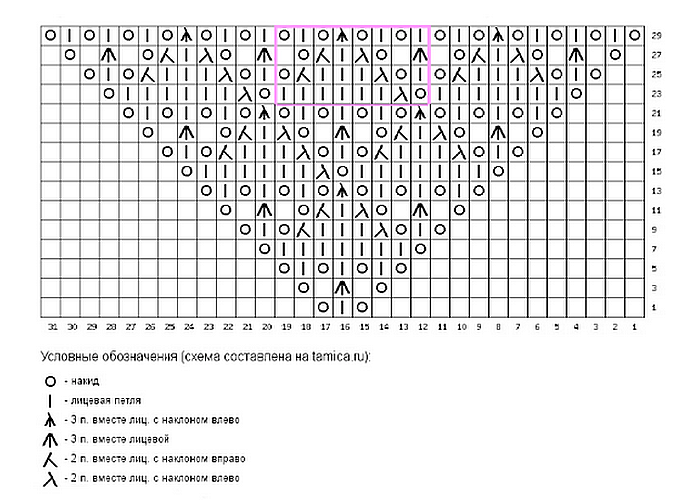
- The fabric is expanded by 1 loop in every 4th row. So the work continues to the middle of the product. The diagrams and description will help to perform all the actions correctly.
- The second half is knitted in exactly the same way, but with a decrease of 1 loop in every 4th row.
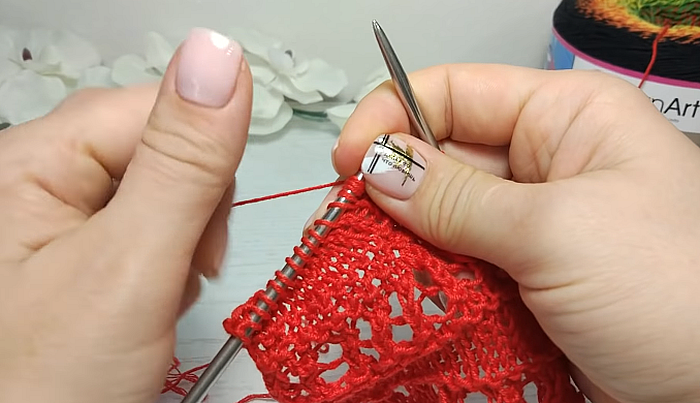
- Next, knit with a 12-row openwork pattern until there are 7 loops left on the needles. They must be loosely closed.
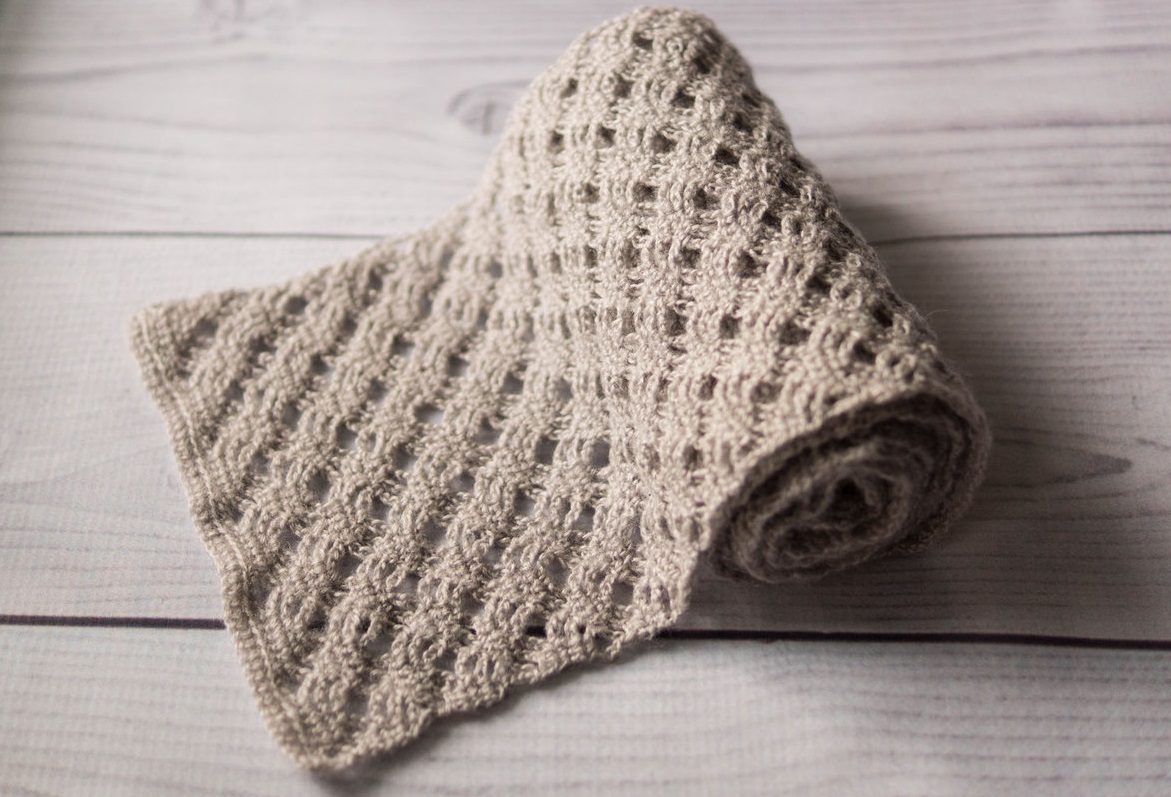
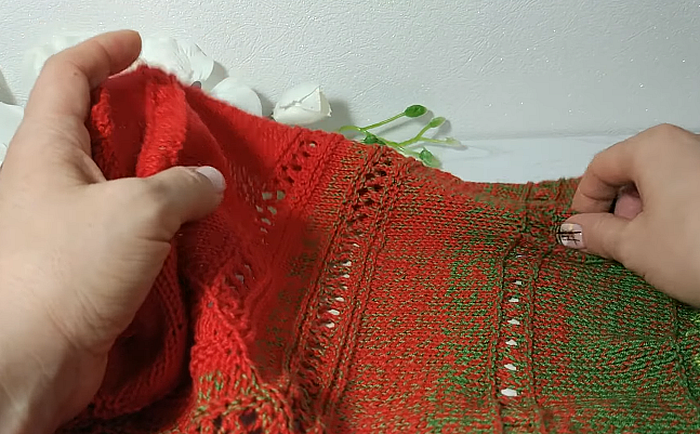
The openwork baktus may curl a little at first, worsening the appearance of the product. To get rid of this drawback, the model is soaked in water and laid out on a horizontal surface, the corners are fixed with pins. When the scarf dries, the lace edges will acquire a flawless appearance.
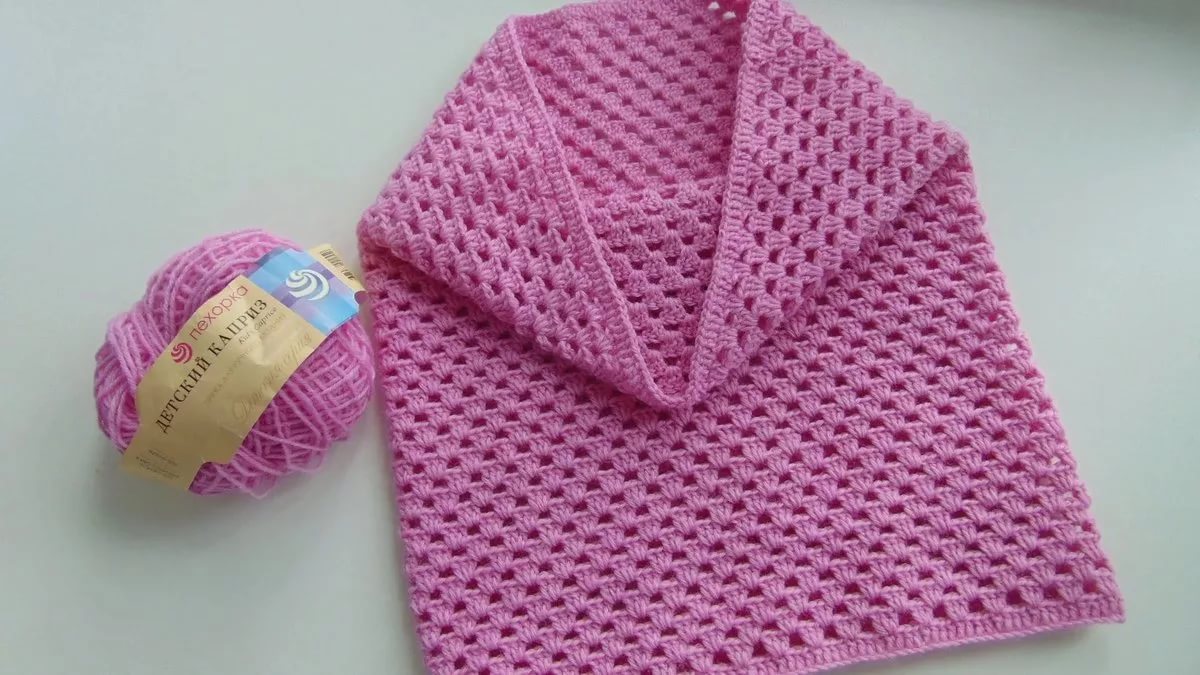
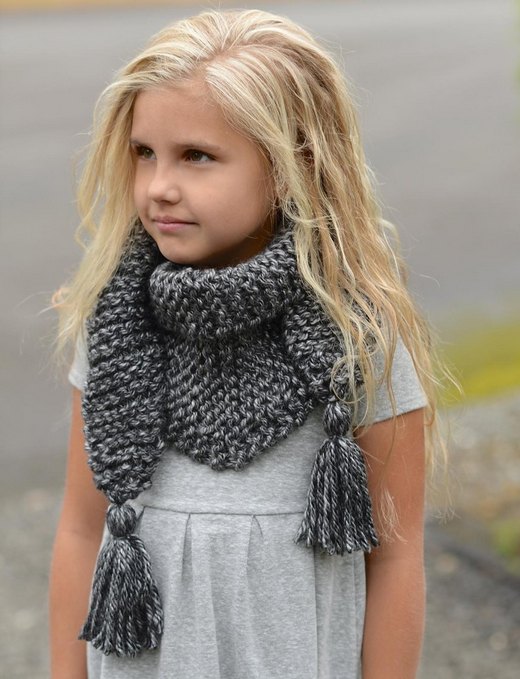
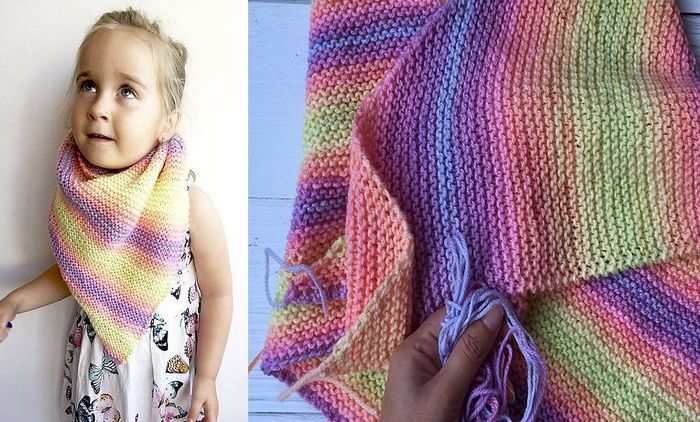
Small triangular baktus for a child
To make a charming scarf for a girl, you will need yarn (90% acrylic, 10% polyamide), knitting needles No. 3. The coloring can be bright or delicate, a two-color scarf looks interesting. You need to follow the instructions:
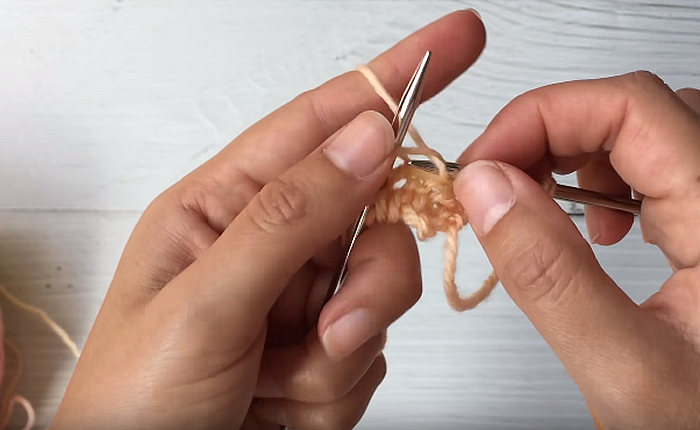
- Cast on 3 loops onto the knitting needles and knit 3 rows, including the first and last loops.
- In the 4th row, a yarn over is made, in the next row, it is knitted behind the back wall. All other loops are front loops.
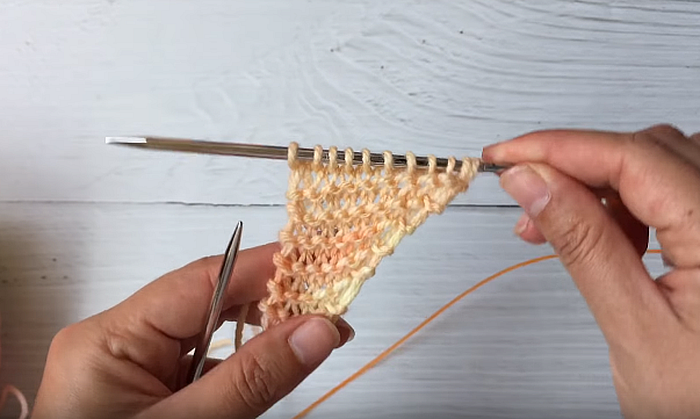
- The actions are repeated until the number of loops reaches 16. After this, the increase is performed in every 6th strip.
- When there are 32 loops, an increase is made in every 8th row.
- You need to knit according to the described pattern until you get 43 loops, then in every 8th row decrease a loop (the second and third - together).
- Starting with 32 loops, decrease in every 6th row, from 16 - in every 4th.
- The remaining 4 loops are closed using paired knitting.
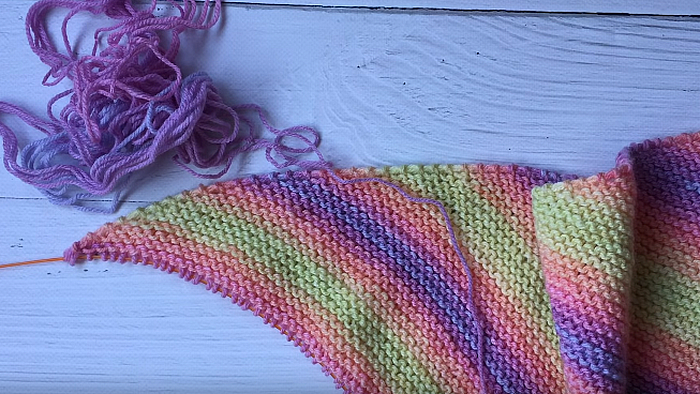
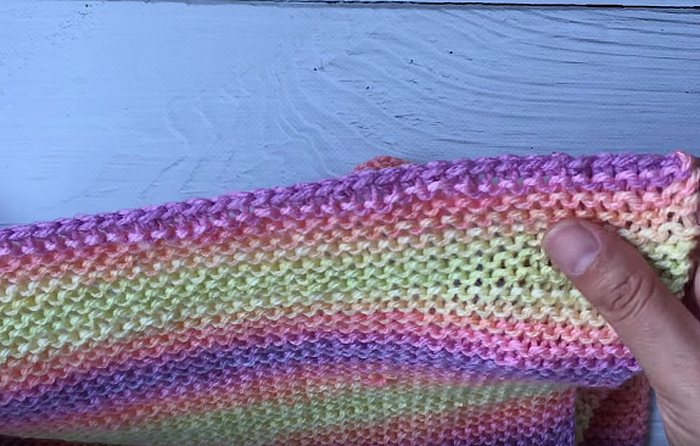
It will be easiest for beginners to make a children's baktus with knitting needles. The length of the finished product is 97 cm, the maximum width is 17 cm.
In the form of a shawl
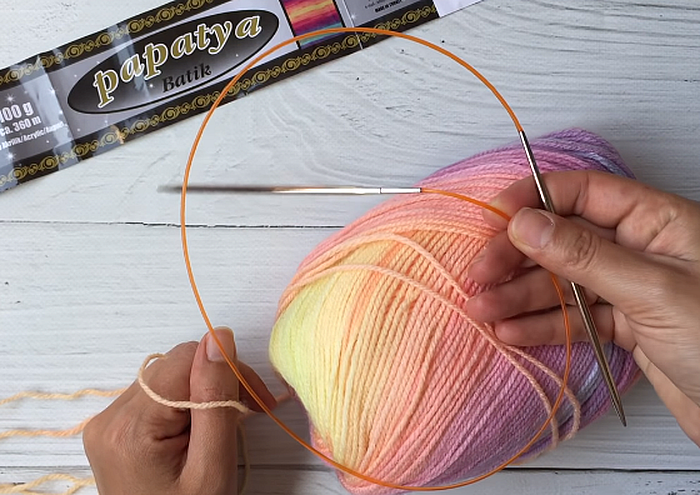
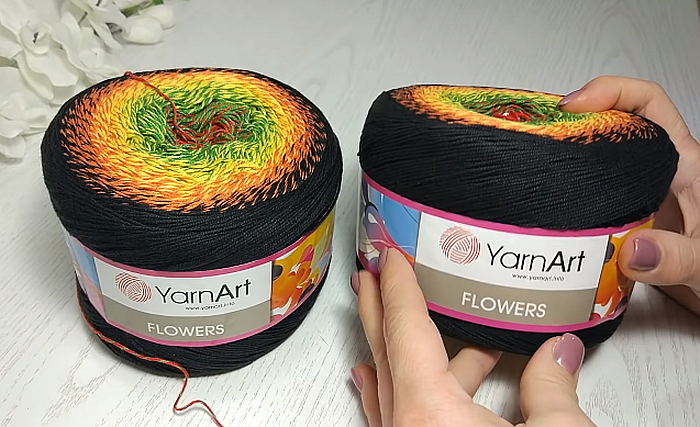
To make it, you will need 3 skeins of thread (60% alpaca, 40% silk), circular and straight knitting needles No. 17. Neutral tones are suitable for the baktus shawl, dark or muted - as desired. Knitting patterns are required, the actions are performed step by step:
- 135 loops are cast on.
- In the 1st row, knit 2, 2 together, the last 4 purl, 2 together behind the back wall, 2 knit. Decrease by two loops.
- In the 2nd row: 2 purl, 2 together, to the last 4 loops - knit. 2 together, 2 purl. Decrease by two loops.
- The first and second rows are repeated until 7 loops remain.
- On the last line, knit 2 knits, 3 together, 2 knits.
- The thread is cut and the tail is tucked into the remaining 5 loops, which are closed.
The length of the finished product in the central part is 56 cm, the width is 178 cm.
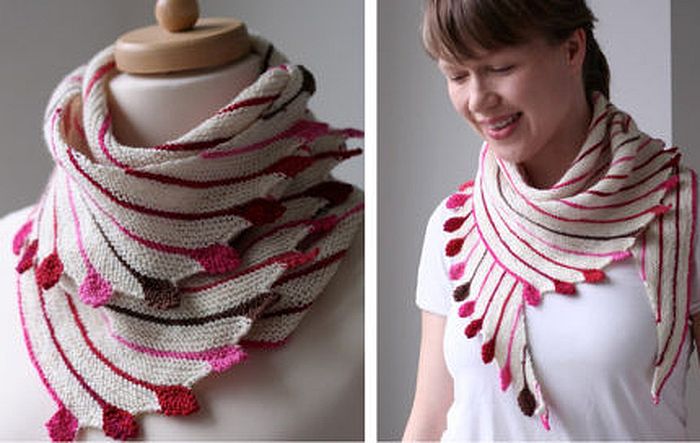
With leaves along the edge
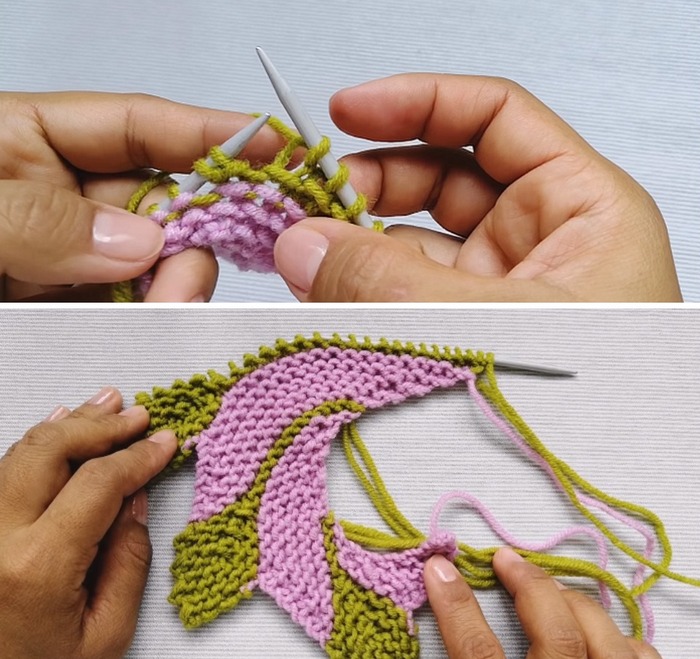
Thanks to special patterns, baktus can be knitted quite quickly. You will need two colors: for the main product and leaves, about 100 g of thread for each. It is recommended to choose neutral + bright or light + dark shades. Knitting instructions:
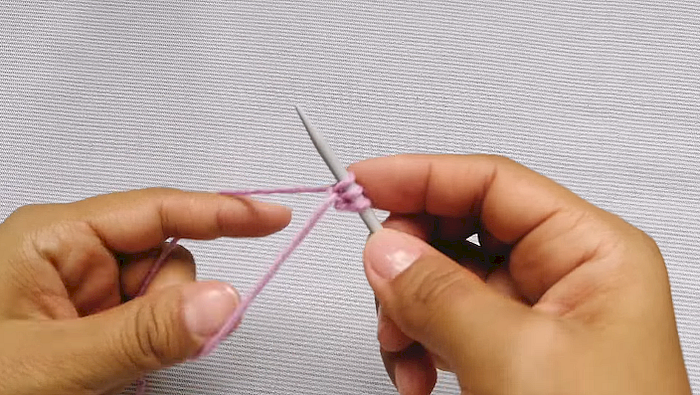
- 3 loops are cast on, two are formed from the first, each is knitted as a front loop.
- In the second row, 2 loops are knit together, the rest are knit. The last one forms 2.
- Rows 1 and 2 alternate four times, the thread is cut.
- A new color is woven in, from which leaves will be created according to the pattern.
- The thread is cut and the loops are closed.
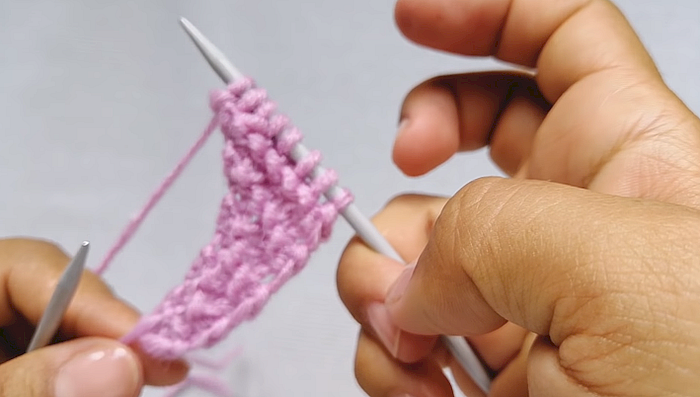
The finished baktus scarf measures 33 x 154 cm. The main knitting method is garter stitch. The product has an attractive, feminine appearance.
Decor options
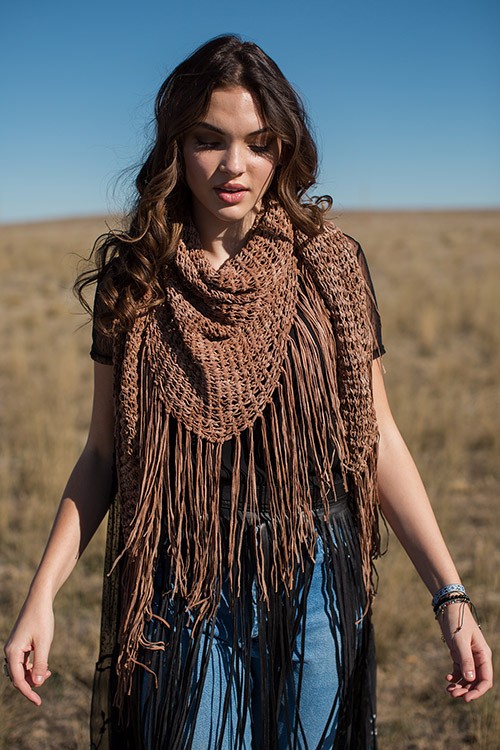
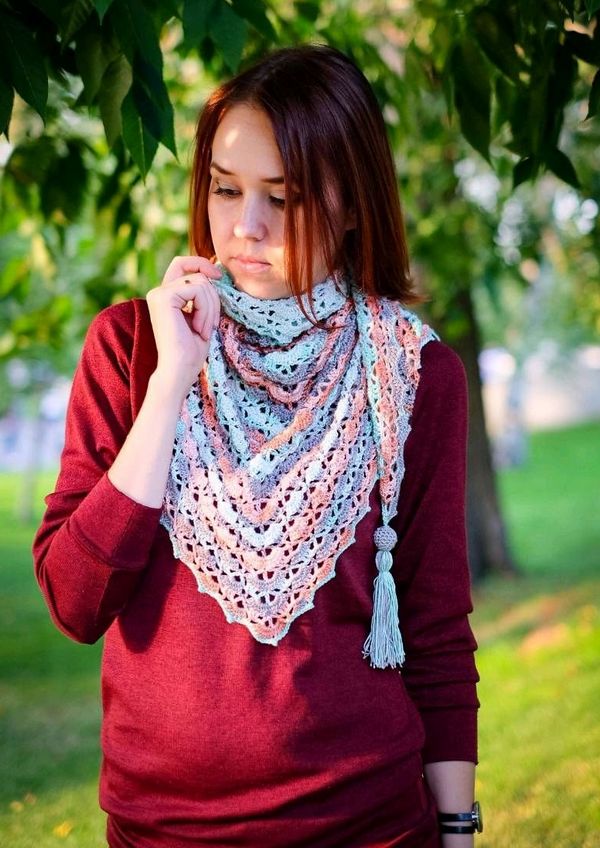
Even a simple baktus without decorations looks noble and elegant. Scarves are made in various styles: Norwegian, Turkish, Japanese, Bosnian. Tassels, fringe, original edging, knitted curls are used as decoration. Products with a pattern or ornament look unusual. Today, monograms are increasingly used - large or small. Regardless of the size, they completely change the texture of the fabric.
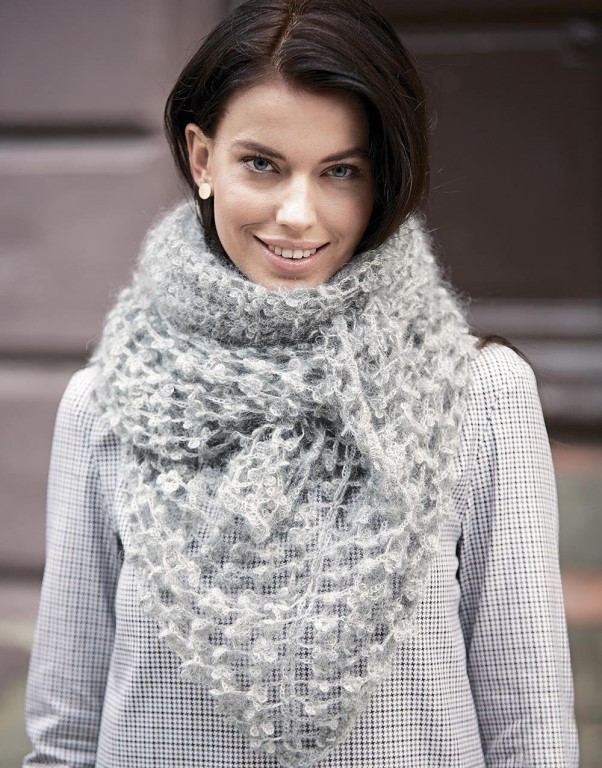
Baktus with voluminous knitting are relevant for the oversized style. Due to the alternation of front and back rows, it is possible to obtain an unusual breakwater product. Openwork options with cones can be used even in winter if they consist of several layers. Pompons and tassels are made in the same colors as the baktus, or differ in several tones. In any case, the product will emphasize the individuality of its owner. Scarves knitted with your own hands are exclusive, fully correspond to individual preferences, therefore they make any image unique.
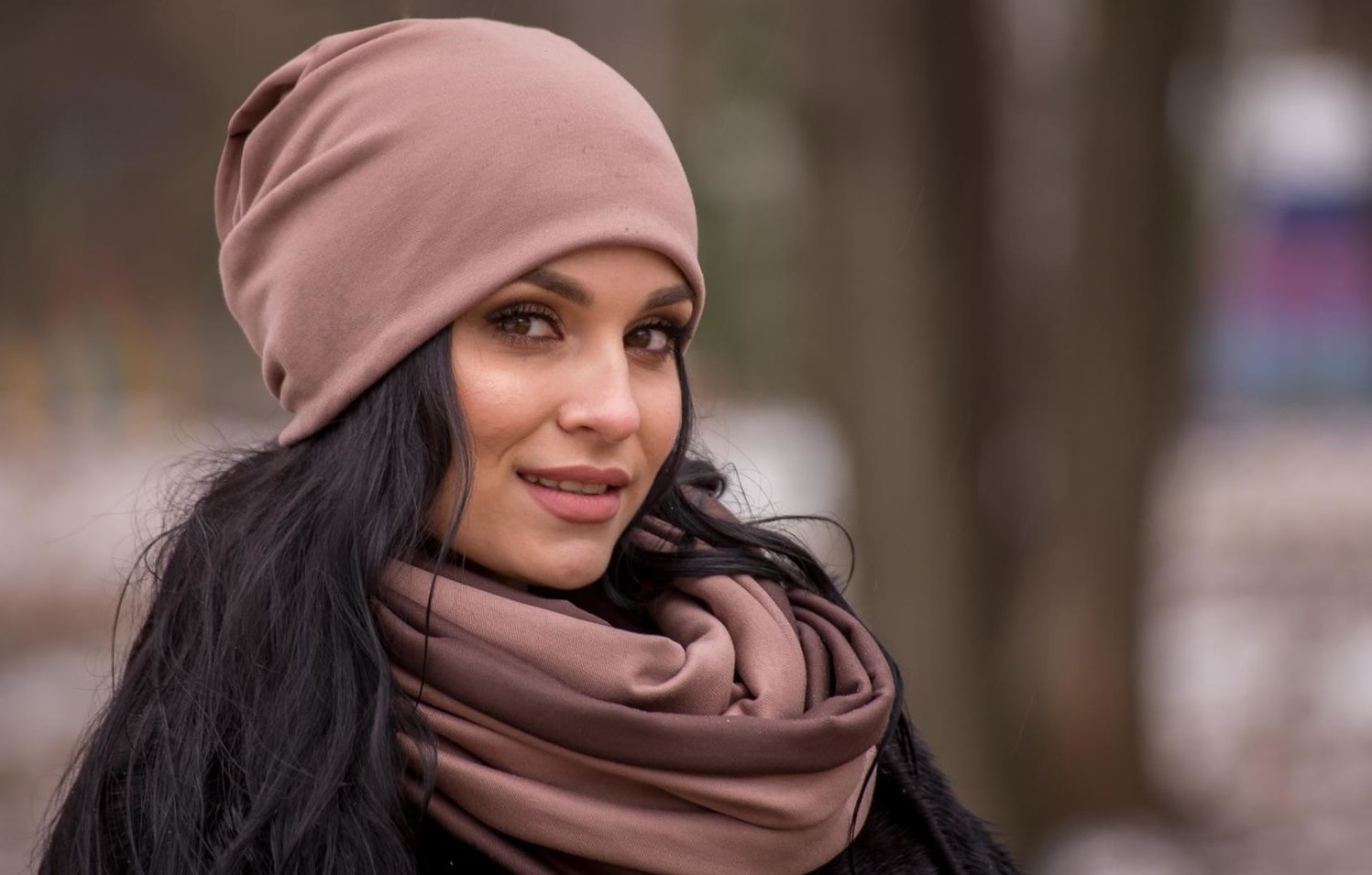
A stylish baktus can be worn with sweaters, jeans, oversized coats, cardigans, ankle boots and other wardrobe items. The scarf can be worn for walks, work, study or shopping. Thanks to the variety of styles, colors, materials, you can make a product for every taste.
Video