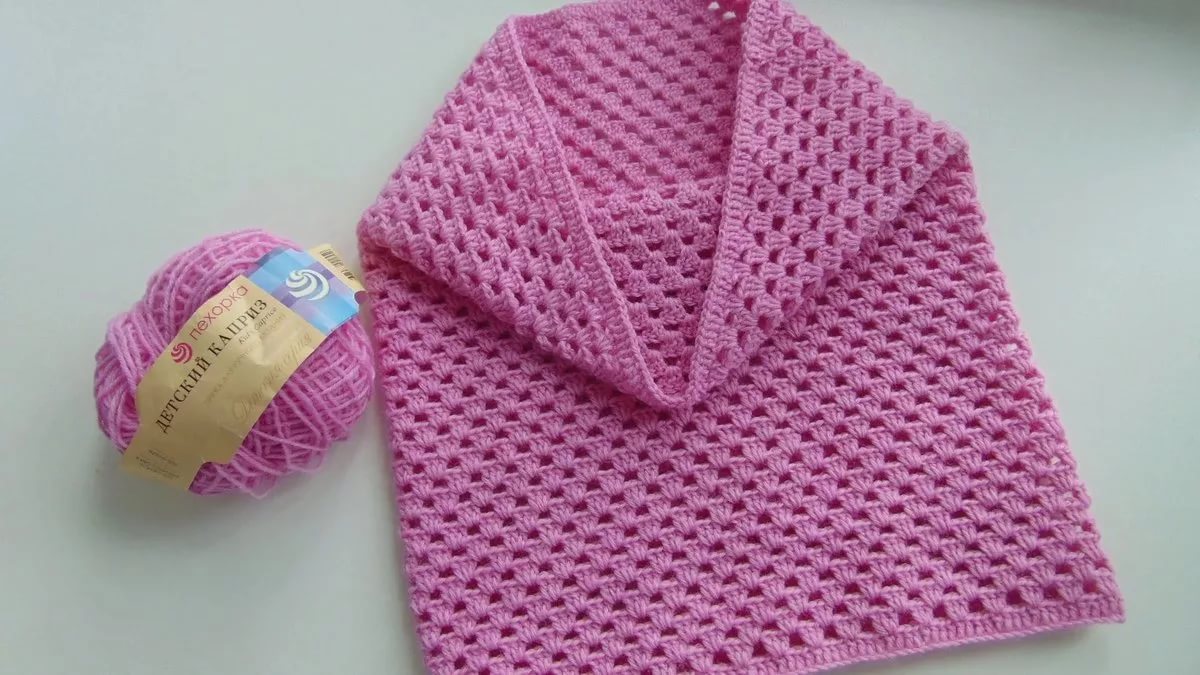
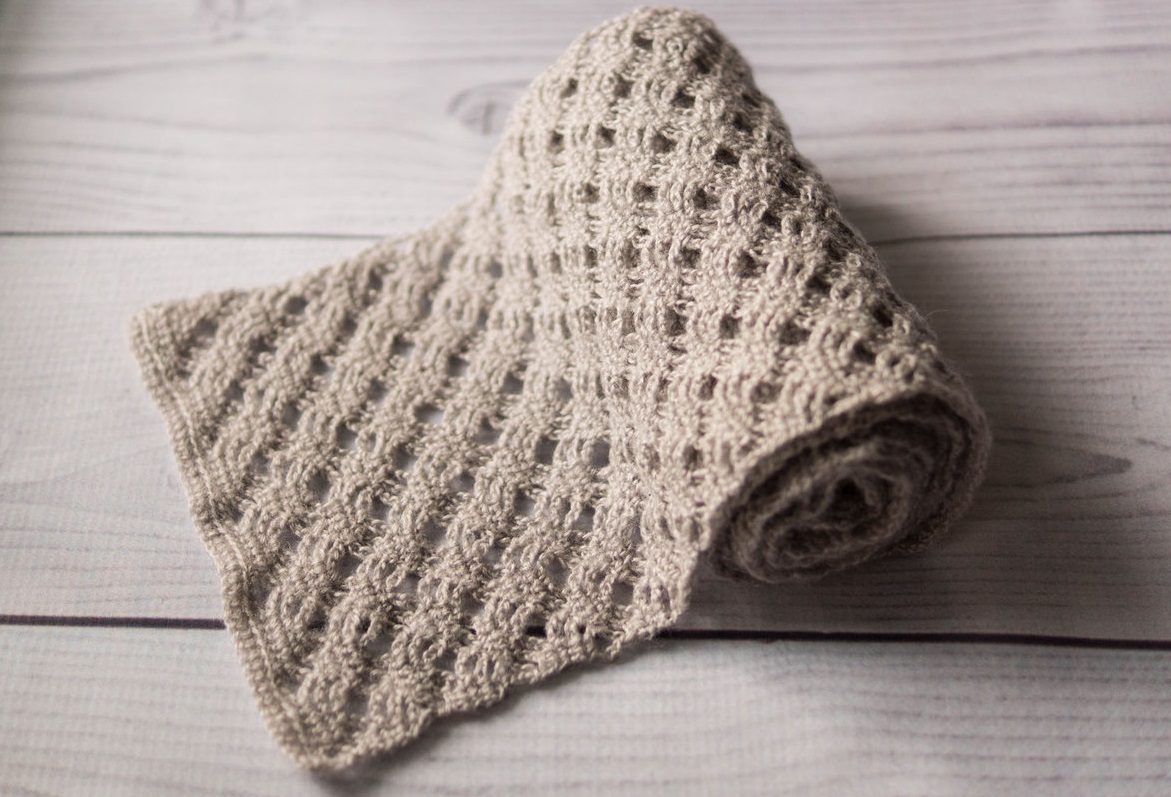
Crochet scarves are always at the peak of popularity. Thick and thin, patterned and dense, multi-colored and plain products not only give warmth in the cold, but also transform the image. Before you crochet a scarf with your own hands, you should study a detailed description of the stages of work. Beginner needlewomen should know the basic rules of knitting, how to choose yarn, what patterns there are.
Selecting yarn and pattern
The choice of yarn should be approached carefully. The appearance and practicality of the finished product depend on it. Threads are selected taking into account:
- season (winter, off-season, summer);
- models (classic, snood, collar, scarf);
- selected pattern (dense, openwork);
- textures (light, voluminous, dense).
For warm winter items, choose wool, semi-wool, mixed yarn. An openwork crochet scarf is made of thin thread (mohair, bamboo). A summer accessory is knitted from natural yarn (cotton, linen, silk).
Depending on the thickness of the thread, the hook number is determined. As a rule, the manufacturer indicates on the packaging the recommended size of the tool suitable for a given yarn.
To crochet a scarf, beginning craftswomen need to choose a 3-3.5 mm tool and a semi-woolen thread of medium thickness.
To correctly calculate the amount of yarn and the density of the finished product, you need to knit a square measuring 10 x 10 cm. Then wash it, lay it out on a flat surface, and dry it. After the preparatory work, proceed to calculating the density, which is determined by counting the loops and rows in the sample.
To calculate the initial density of the product, divide the resulting number of loops and rows by 10. For example, for a scarf 20 x 100 cm, the calculation formula will be as follows:
- 10 cm – 25 loops (L) and 25 rows;
- number of loops for a full-size scarf - (20 cm x 25 sts): 10 = 50 sts;
- number of rows (R) - (100 cm x 25 P) : 10 = 250 R
The finished product is 20 x 100 cm in size, where the height is 50 P, the length is 250 R.
As for the pattern, the simplest ones are usually used for men's and children's knitted models. They are knitted from half-columns, columns with one or two yarns, and it is also possible to alternate them between each other.
A women's crochet scarf involves a more complex pattern, shape and texture. For beginner needlewomen, it is better to choose easy patterns that do not have many rapports.
How to determine the size of the product
Scarves are accessories that not only keep you warm, but also complement your look. The product is supposed to be long enough to wrap around your neck several times. The table below will help you choose the right size.
|
Type of product |
Classic scarf, cm |
Scarf in two turns, cm |
Classic snood, cm |
Snood in two turns, cm |
| Children (0-3 years) | 15 x 100 | 15 x 140 | 50 x 30 | 15 x 100 |
| Children (3-10 years) | 17 x 110 | 17 x 150 | 55 x 35 | 17 x 150 |
| Male, female | 20 x 120 | 20 x 170 | 60 x 40 | 20 x120 |
Knitting stages taking into account the model
There are a large number of patterns for crocheting a scarf for both experienced and novice craftswomen. Beginners should start with simple accessories, which are accompanied by a pattern with a description. It is better to start with complex options later, when all the basic types of loops have been studied.
Openwork
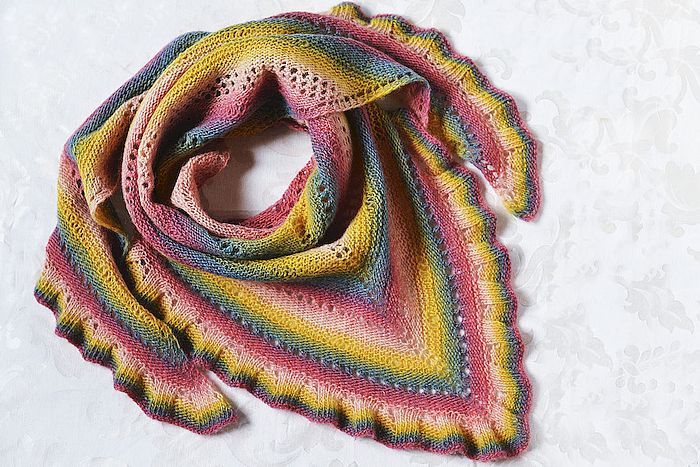
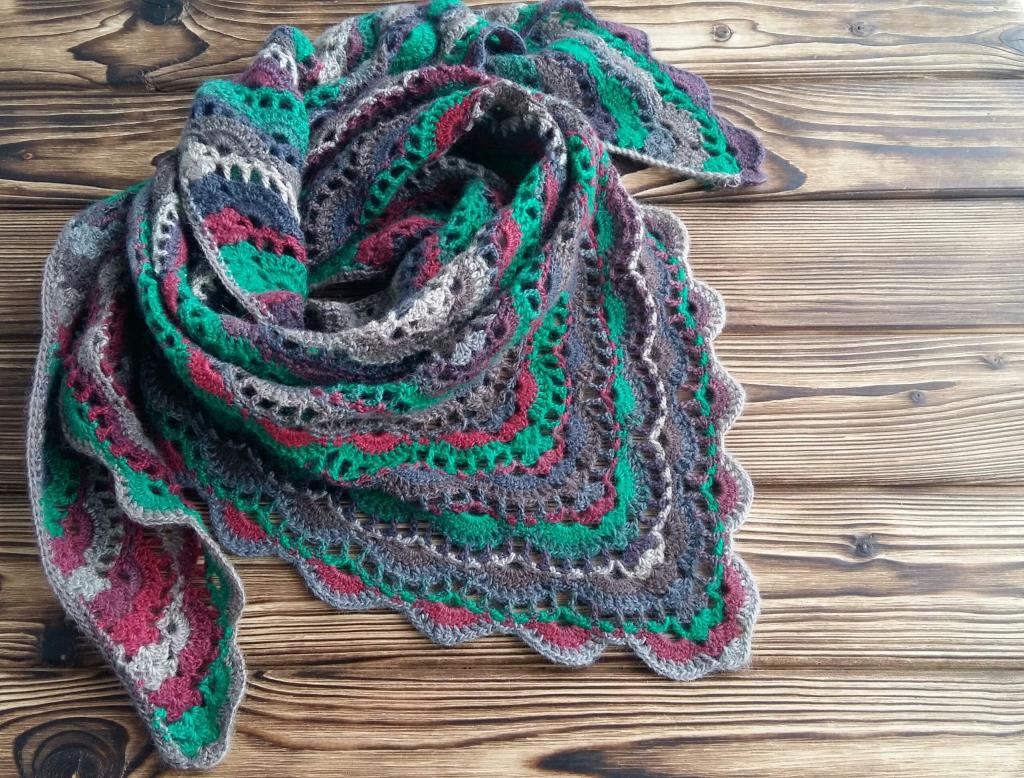
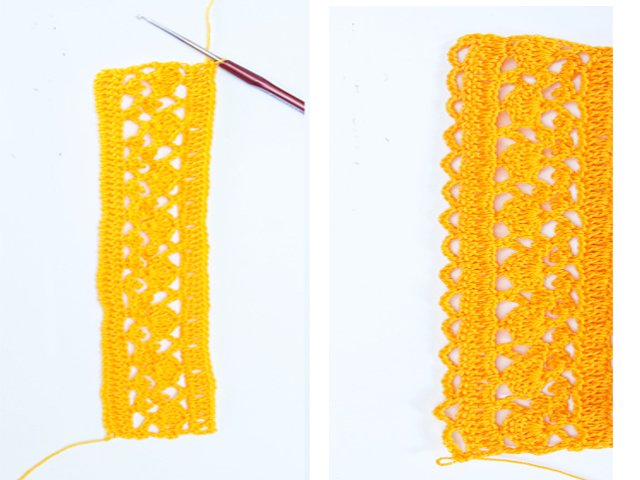
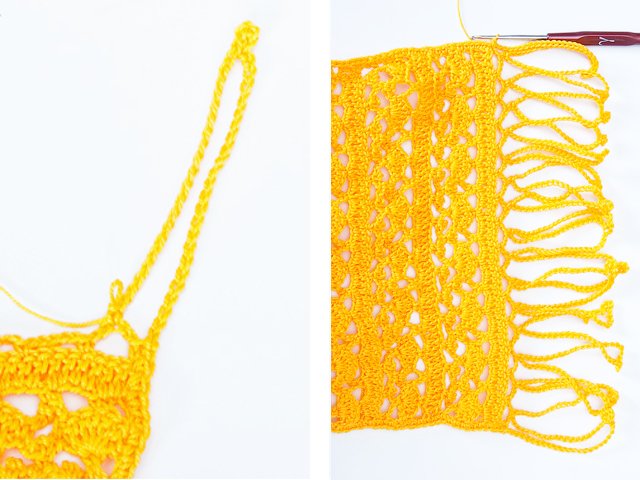
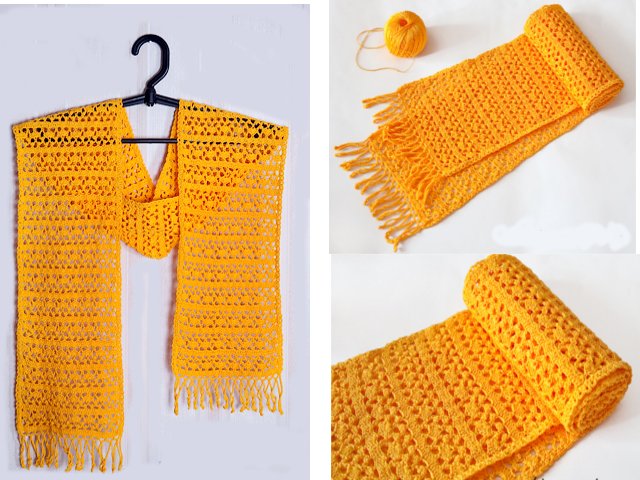
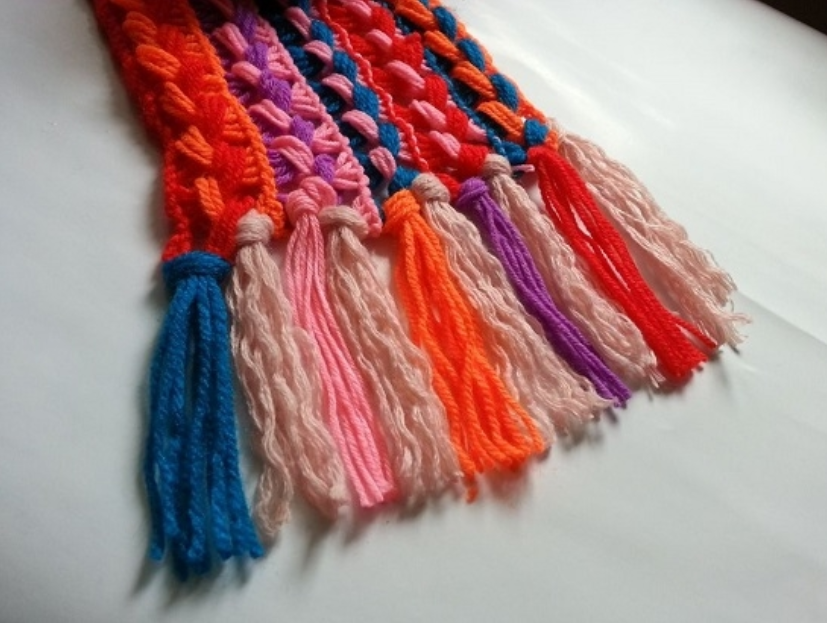
The model of the openwork crochet scarf looks sophisticated and feminine. The product is knitted horizontally, then tied around the edges with a "shell" pattern. The edges are decorated with tassels.
Before you crochet a beautiful and light scarf, you need to prepare:
- main threads (100% wool) – 1 skein (100 g);
- additional color threads, two types, 50 g each;
- hook (the number is indicated on the packaging of the selected yarn).
Knitting algorithm step by step:
- Cast on chain stitches (CH) until the scarf reaches the desired width.
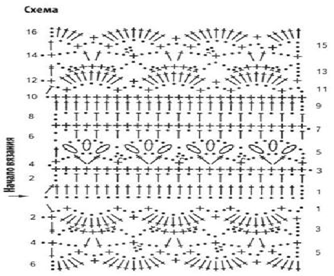
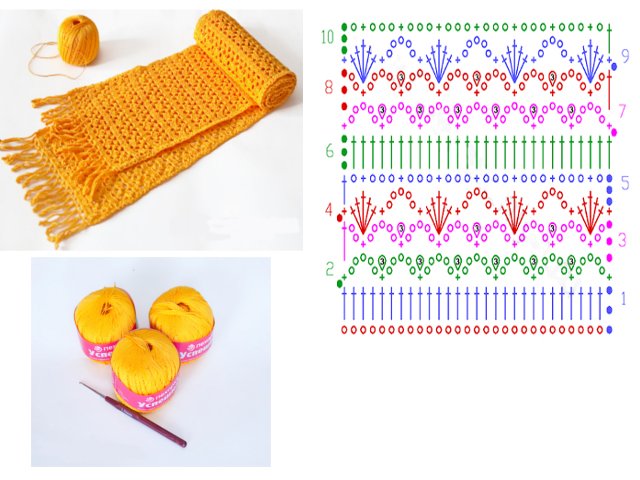
- Knit the fabric according to diagram 1. The pattern is read from the point where the arrow is located.
- In the fifth VP of the chain, knit a column with one yarn over (C1H), then C1H in each VP, continue knitting until the end of the first row.
- Make 3 lifting VP (VP), 1 C1H, skip the base loop (SL), 1 VP - repeat the rapport to the end.
- Make 1 VP and work a single crochet (SC) into each VP until the row ends.
- Next, VP, SC, 2 VP and in the 3rd loop knit a column with two yarns (C2H), in the same loop 2 VP - knit to the end of the row.
- Then 3 VP, in the arch a lush column (LS), 2 VP, PS, 2 VP, PS, over the knitted VP column - repeat to the end.
- Repeat the pattern from rows 1 to 3.
After the scarf reaches the desired length, start the "shell" pattern. It is knitted like this: 1 VVP, SC, through one loop C1H, through the loop 3 C1H and SC in one loop, skip the loop, SC.
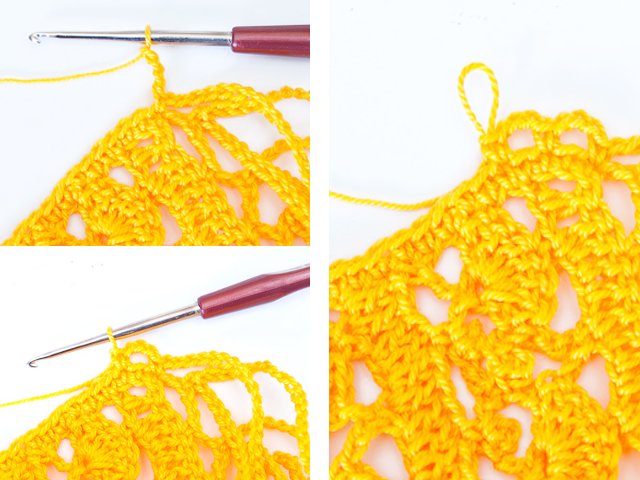
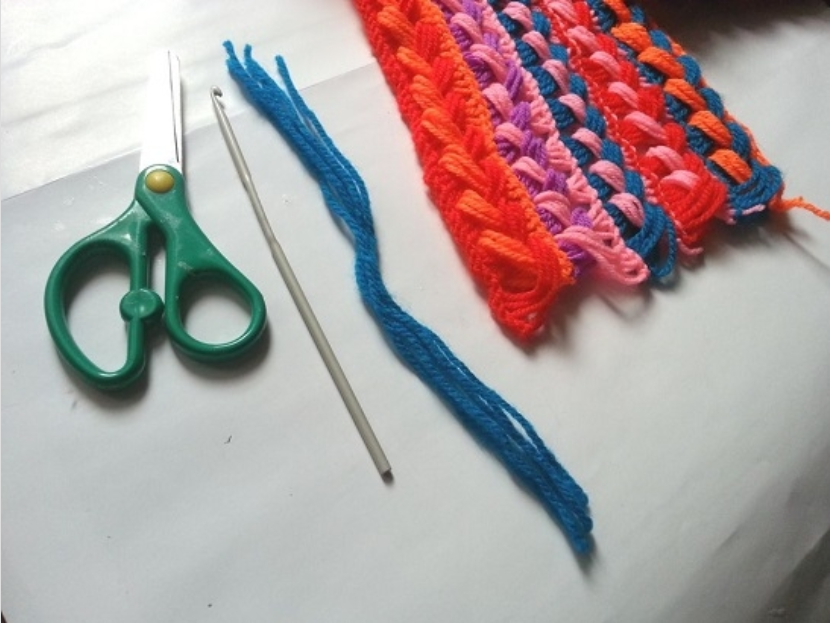
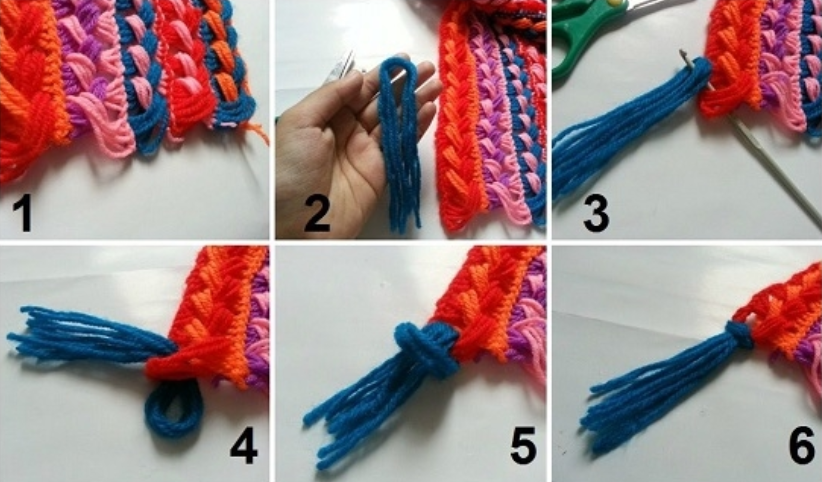
To decorate the edges of the openwork scarf with tassels, you should cut threads of the same length, at least 30 cm. To form one tassel, you will need 6 pieces. There should be 14 decorative elements in total, 7 on each side.
Easy for beginners
This model is an ideal option for those who are creating a crochet scarf for the first time. Recommendations and description of the stages of work will help to make the first, but at the same time beautiful product.
To work you will need:
- threads (wool 50%, acrylic 50%) – 6 different shades, can be chosen from the leftovers;
- hook #3.
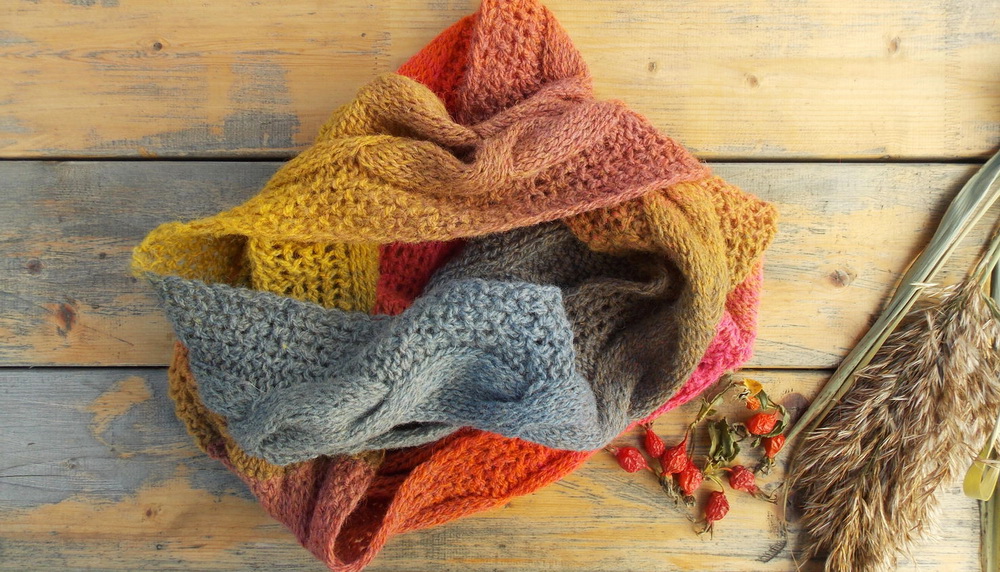
A simple and elegant crochet scarf is knitted along the canvas, at the end of the row the product is unfolded. The color of the stripes alternates as desired. The size of the finished scarf: 20 x 170 cm. Step-by-step master class:
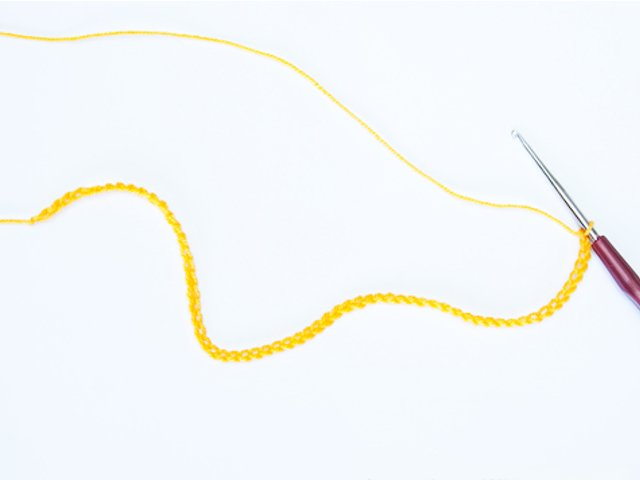
- Cast on a chain of air loops (AL), 280 in total.
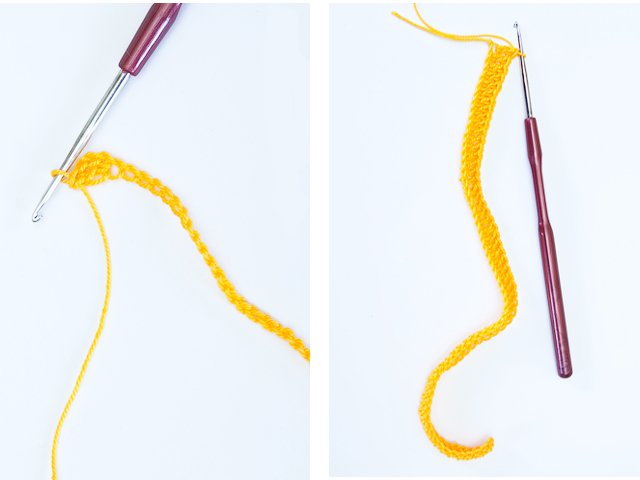
- Starting from the third loop of the chain, knit to the end of the row C1H (double crochet).
- Next 2 VP, C1H in each loop of the previous row.
- Knit 27 rows using different colors.
- Finish the work: cut the thread, hide the end in the fabric.
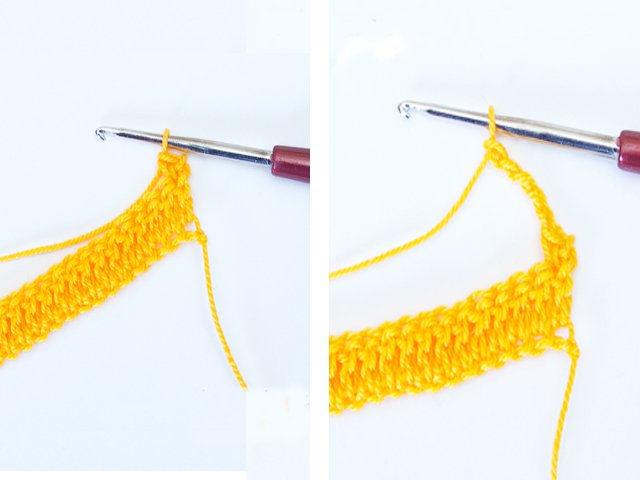
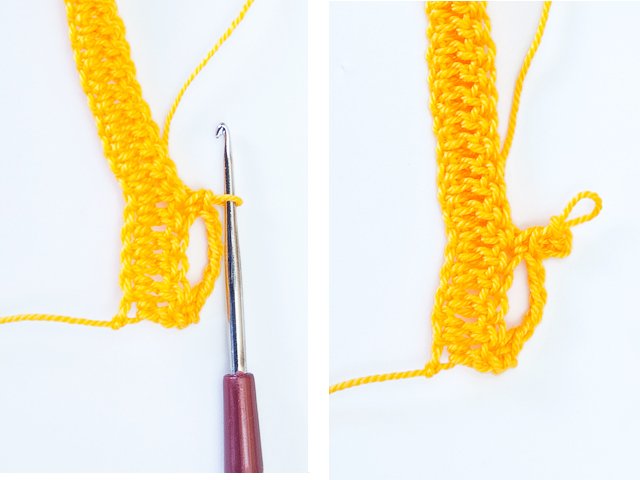
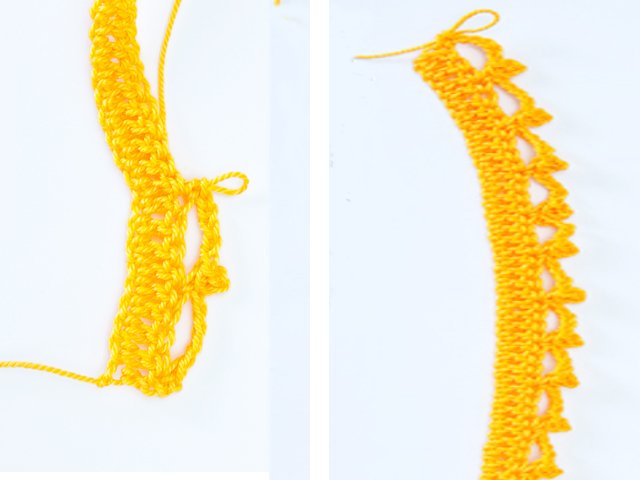
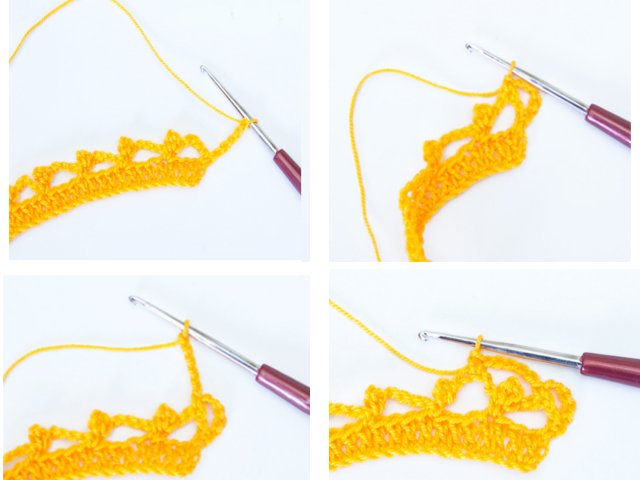
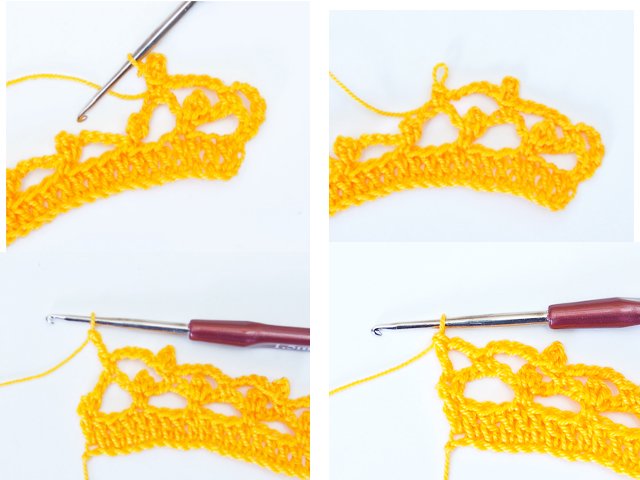
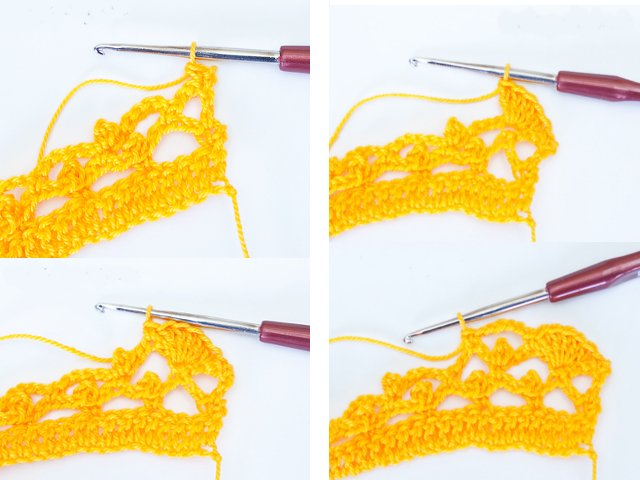
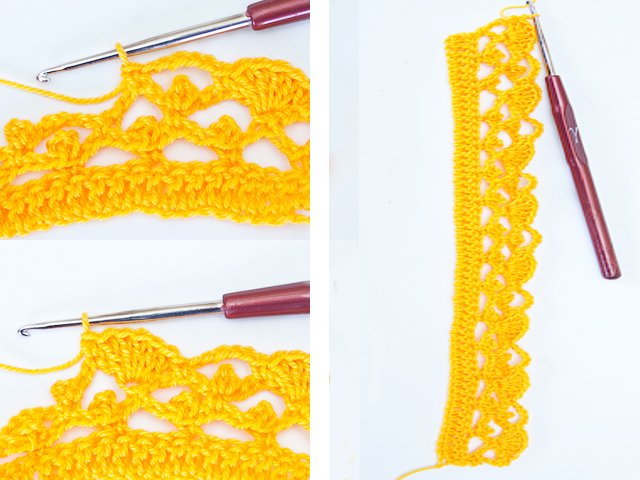
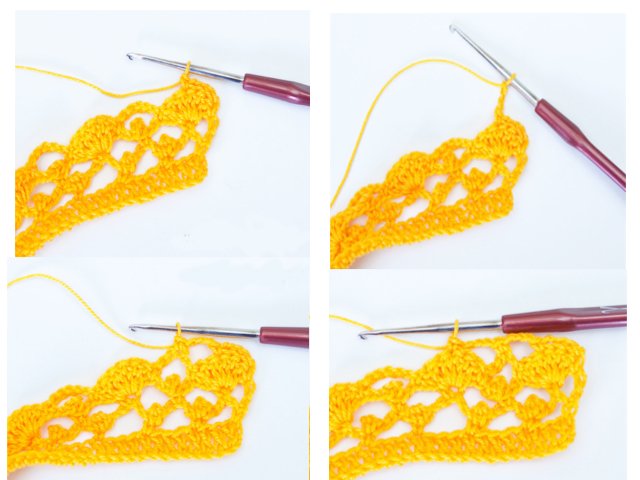
Unusual transformer with a button
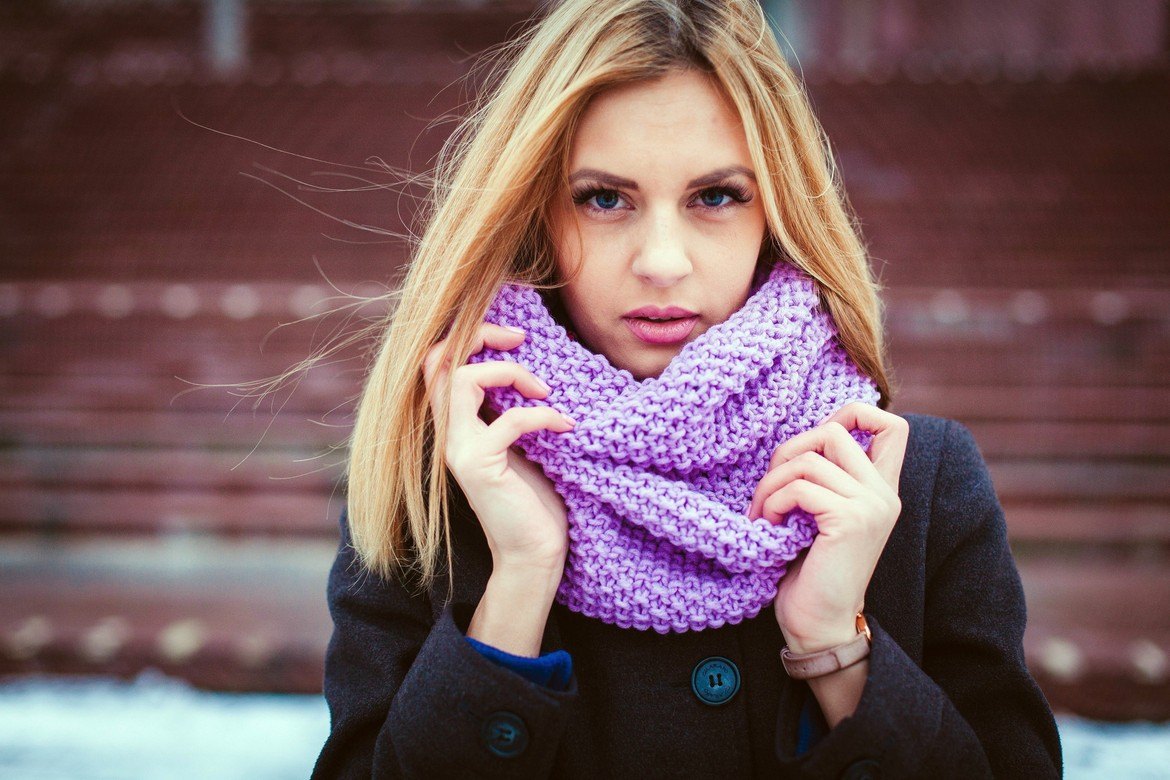
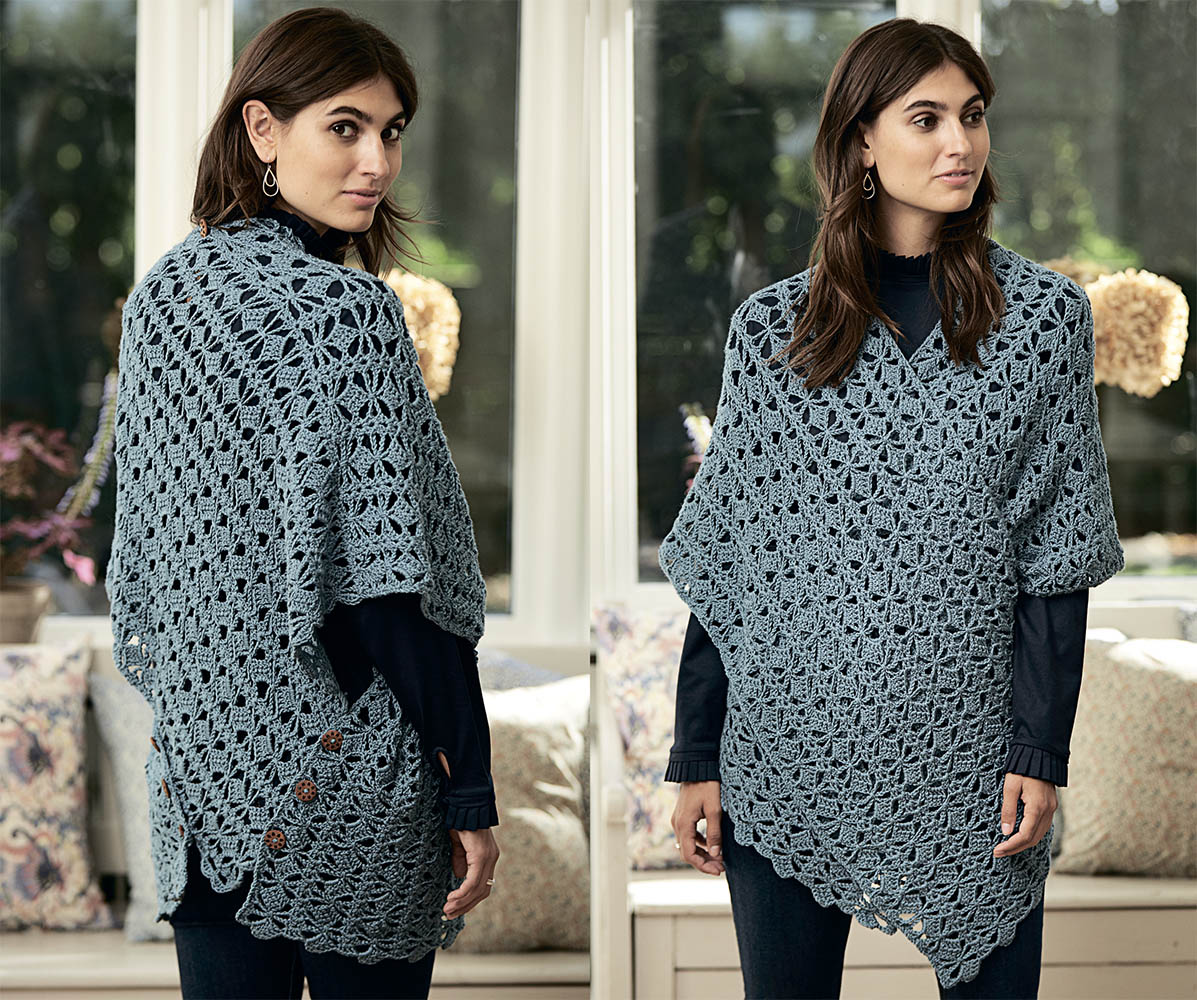
An unusual knitted scarf-transformer is made quickly and easily. It is multifunctional and convenient. It can be used as a snood, a hood, a cape. Even a beginner knitter can create a simple crochet scarf with his own hands. For work you will need:
- threads (semi-woolen) – 600 g (100 g in a skein);
- hook No. 3-3.5.
An unusual and at the same time quick to make scarf is knitted in circular rows. At the end of each one, a CC (connecting column) is made. At the beginning of the next one, two VP (air loop) are made. To create such scarves, only one type of column is used in the work - C1H (with one yarn over).
- Cast on 104 VP. Close the chain into a circle with a slip stitch.
- 2 VP, starting from the 3rd loop, knit C1H into each.
- Knit the product to the required size, periodically try on the snood to avoid making a mistake with the selected parameters.
- Crochet the finished accessory with two rows of single crochet stitches.
If desired, you can sew on a decorative button or complement the accessory with a brooch.
Children's
The threads for a baby scarf should have a natural composition and not be too thick. A beautiful crocheted scarf for a child should be soft to the touch and warm. For spring weather, a mixed thread (50% bamboo, 50% cotton) is suitable. For winter, it is better to choose semi-wool yarn. Crocheting a baby scarf for beginners will not be difficult if you follow all the steps as described.
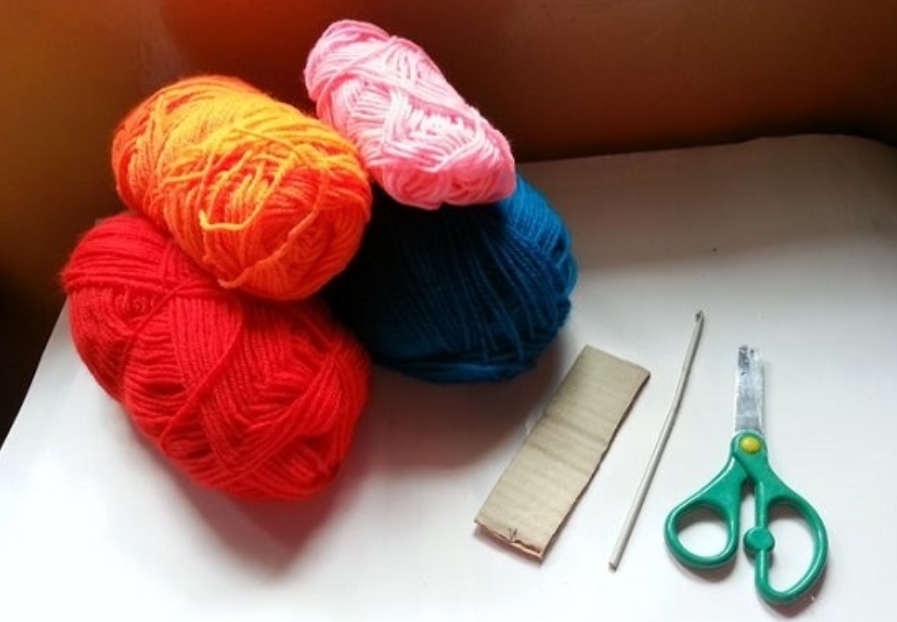
Materials required:
- semi-woolen thread (children's) - 100 g (1 skein);
- brightly colored thread (for processing) – 20 g;
- hook 2.2-3 cm.
Description of the work process:
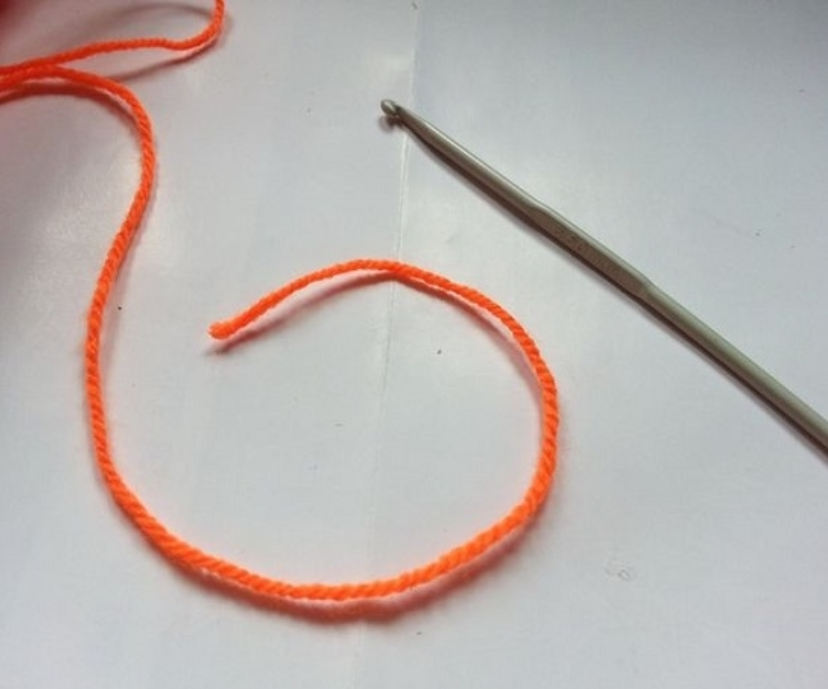
- Cast on a number of air loops that is divisible by four, for example, 40 pcs.
- At the beginning of each row, make 3 VP (air loop of lifting), then knit C2H (column with two yarns) in each loop of the base to the end of the row. Turn knitting.
- Repeat step #2 until the product is finished.
To make the original scarf appealing to the child, use contrasting shades of thread. The edges can be decorated with colored tassels if desired.
How to work with diagrams
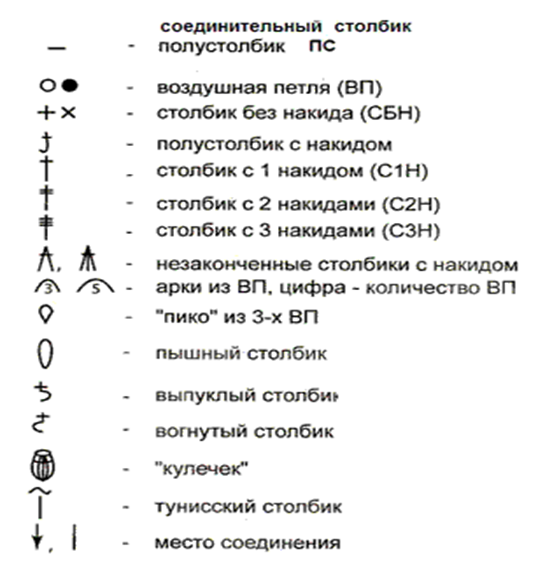
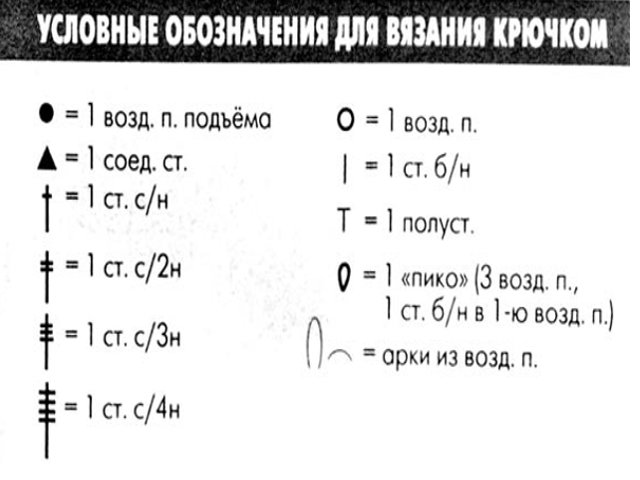
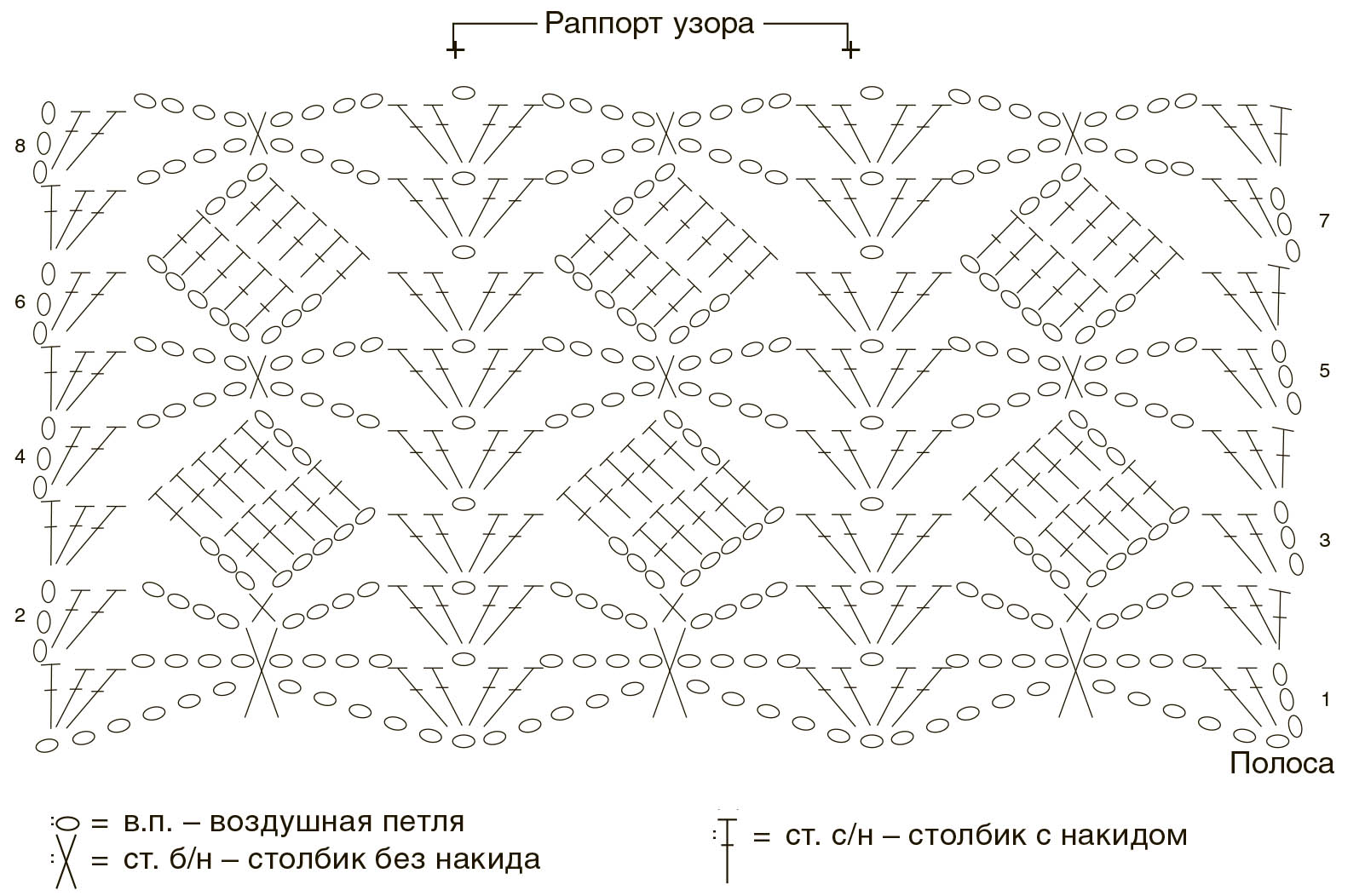
Beginner needlewomen are often intimidated by the patterns that come with the description of the chosen model. It will be enough to understand the symbols once, and crochet patterns will be obtained quickly and neatly. The knitting pattern is read from the bottom up and from left to right. The row number is indicated on each side if the work is done in rotary rows. When knitting in the round, the rows are marked clockwise. Rapport is a periodically repeating part of a pattern. It is designated on the diagram by asterisks. There is no need to learn the symbols, but it is worth remembering how to read them.
Handmade accessories are valued all over the world. Hand-knitted scarves will help to diversify your wardrobe and make your look original. In addition, a unique product can be a great gift for a loved one or a good friend.
Video