It often happens that an emotional phrase, thrown out in the presence of a large number of people, acquires a different meaning, and sometimes even becomes a catchphrase. Among such expressions taken out of context is the phrase "Stolypin tie", meaning a noose around the neck. The history of the origin of this phrase, which has acquired an antisocial coloring, really deserves attention.
Meaning of the expression
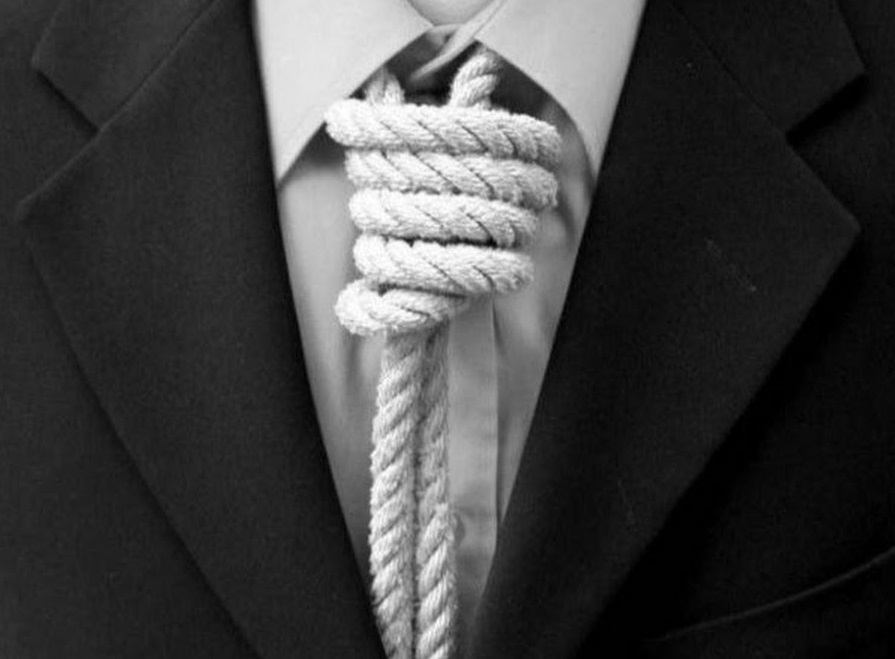
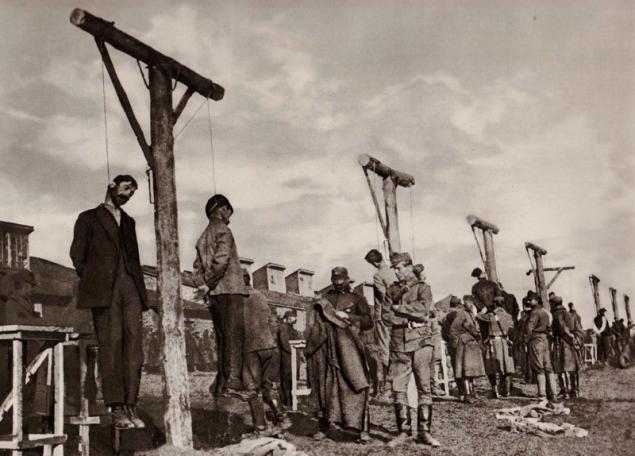
Stolypin's tie is the traditional name for a rope used for hanging. This phrase is associated with the activities of Pyotr Stolypin, who is credited with organizing mass executions of rebels in the period 1905-1907. The phrase has a sharply negative connotation, used to denigrate the personality of one of the best Russian politicians of all time.
The phrase "Stolypin tie" is reminiscent of another similar phrase with the same meaning - "hemp ties". It is known that ropes were most often made of hemp. The exact origin of the phrase is unknown, but it is widely found in Russian fiction of the early 20th century.
History of appearance
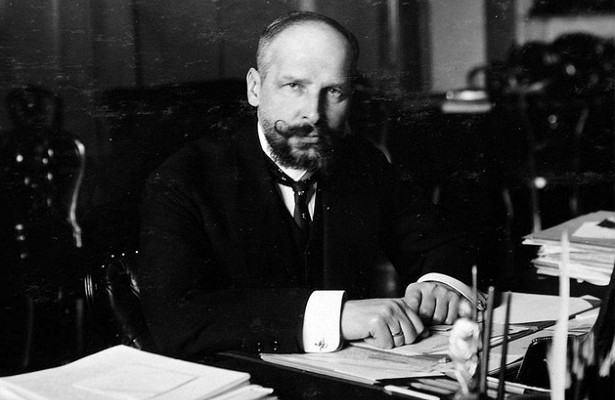
The background of the popular expression dates back to 1905-1907, when after the First Russian Revolution, unrest broke out in various provinces of the country, usually accompanied by mass bloodshed. To stop the outrages, tough emergency measures were required. That is why the then Chairman of the Council of Ministers Pyotr Arkadyevich Stolypin introduced military field courts. They could pass judgment on the most serious crimes. Given the state situation, punishments were toughened. Death sentences were often carried out by hanging. The liberal part of society did not understand this approach.
A state of emergency was declared in over 70% of the provinces. Stolypin's directive was: "Fewer arrests, more executions." He was later informed that executions by shooting had a negative effect on the military. Therefore, a decision was made to build gallows. Stolypin was nicknamed "the hangman," and the gallows were nicknamed "Stolypin's tie."
This statement was first made during a session of the State Duma on November 17, 1907 (old style). Deputies were discussing the issue of granting military field courts expanded powers. The discussion boiled down to insults to the personality of the then Chairman of the Council of Ministers Pyotr Stolypin.
The representative of the Cadet Party, Fyodor Rodichev, came to the podium. He was very nervous, so he expressed himself overly emotionally. In his speech, he compared Stolypin's actions with the measures taken by General Muravyov to suppress the Polish uprising of 1863. Many of the instigators of those riots were hanged. Such actions were nicknamed "Muravyov's collar." This is what the Cadet recalled when he said that the fight against the rebels could go down in history as "Stolypin's tie."
The statement was received with great enthusiasm by the audience. Stolypin immediately left the room. He was followed by the Chairman of the State Duma Khomyakov, and then all the ministers. Pyotr Arkadyevich soon challenged Rodichev to a duel. Both of them were nobles, and according to their code of honor, such a disgrace had to be washed away with blood. The Cadet did not aggravate the situation and publicly apologized to the Prime Minister. The latter generously agreed to forgive the impudent man, but subsequently never shook Rodichev's hand again. This resolution of the conflict calmed the deputies. However, the phrase thrown out by Rodichev was not forgotten and became famous.
Myths and truth about the reformer Stolypin
Perhaps the scandalous statement would have been forgotten over time if the Bolsheviks had not remembered it. The biting expression was used by the propaganda of Lenin's guard. The "Stolypin tie" became a symbol of the mass executions of innocent peasants, behind which stood the sadistic minister and his similar subordinates. This ideological cliché was created by Lenin, who called Pyotr Arkadyevich nothing less than a pogromist and hangman who received his position thanks to his abuse of peasants.
According to statistical surveys, today only 22% of Russians can answer what the term “Stolypin tie” means and what its history is.
People who studied under the Soviet system remember very well how much history textbooks downplayed Stolypin's role in Russian history. They tried to reduce all his many years of work for the good of the Motherland to just a "Stolypin tie" despite the fact that field courts put an end to the atrocities of 1905-1907, during which more than 9,000 civilians, politicians and soldiers died.
Another phrase is associated with the positive work of Pyotr Arkadyevich Stolypin - "Stolypin carriages". The politician sought to develop the vast Siberia, organized a program for the voluntary resettlement of people there. It turned out to be successful - in a few years, about 3 million people moved to uninhabited areas. They were transported in special carriages, where one half was intended for family members, and the second, fenced off by a wooden wall, contained livestock and various property.
During the Soviet era, these carriages were used to transport prisoners to Central Asia and Siberia. Therefore, they had to be additionally equipped with iron bars on the windows. Despite this change in use, the name of the carriages among the people remained the same.
Video